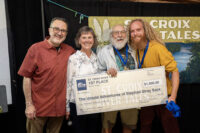
Last Friday, I was the keynote speaker at Wild Rivers Conservancy‘s annual “Forever Wild” celebration. Here is what I said.
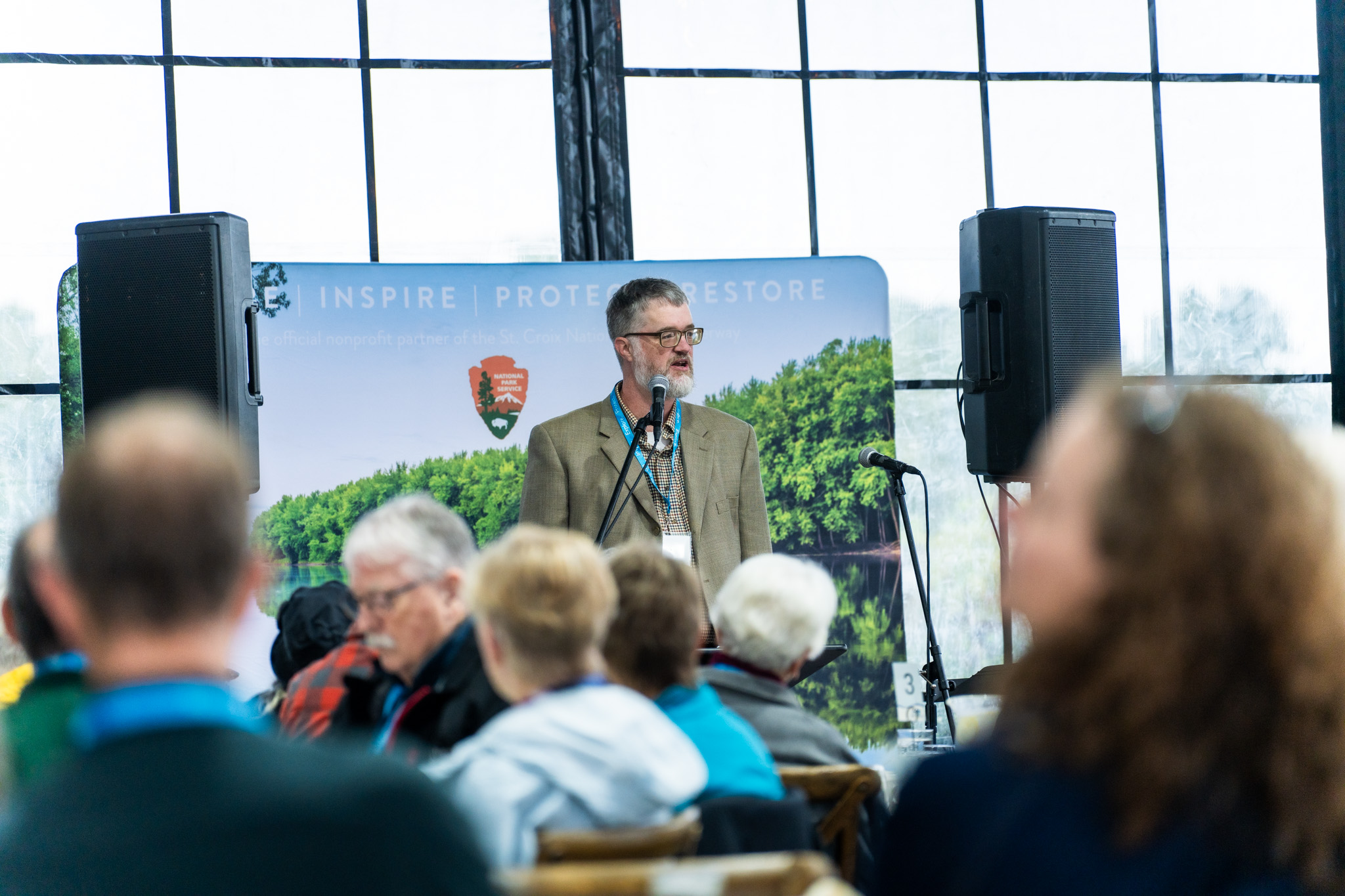
Greg Seitz speaking at the Wild Rivers Conservancy event on Sept. 18, 2026 (Zach Bisek/Wild Rivers Conservancy)
I’m currently writing a book about the St. Croix River watershed’s human and natural history. When I started this work, I knew that stewardship has long been part of this region’s story. I certainly knew about the forward-thinking work of Gaylord Nelson and Walter Mondale to designate the St. Croix and Namekagon as Wild and Scenic Rivers.
But as I’ve been researching, I have been amazed by all the different people who have done their part to protect this area over the past thousands of years. When Wild Rivers invited me to speak, I immediately wanted to share a few favorite people and stories.
Each of these stories has reminded me of the many different ways we can care for the St. Croix River and its watershed. There are those of us who study nature and speak on its behalf. There are others who work in government to enact policy. Some people donate land and money. And there are people who practice an ethos of responsibility and reciprocity.
I will start by celebrating the people who have cared for this land and water for millennia. Indigenous people have always been the supreme stewards of the St. Croix and the surrounding area.
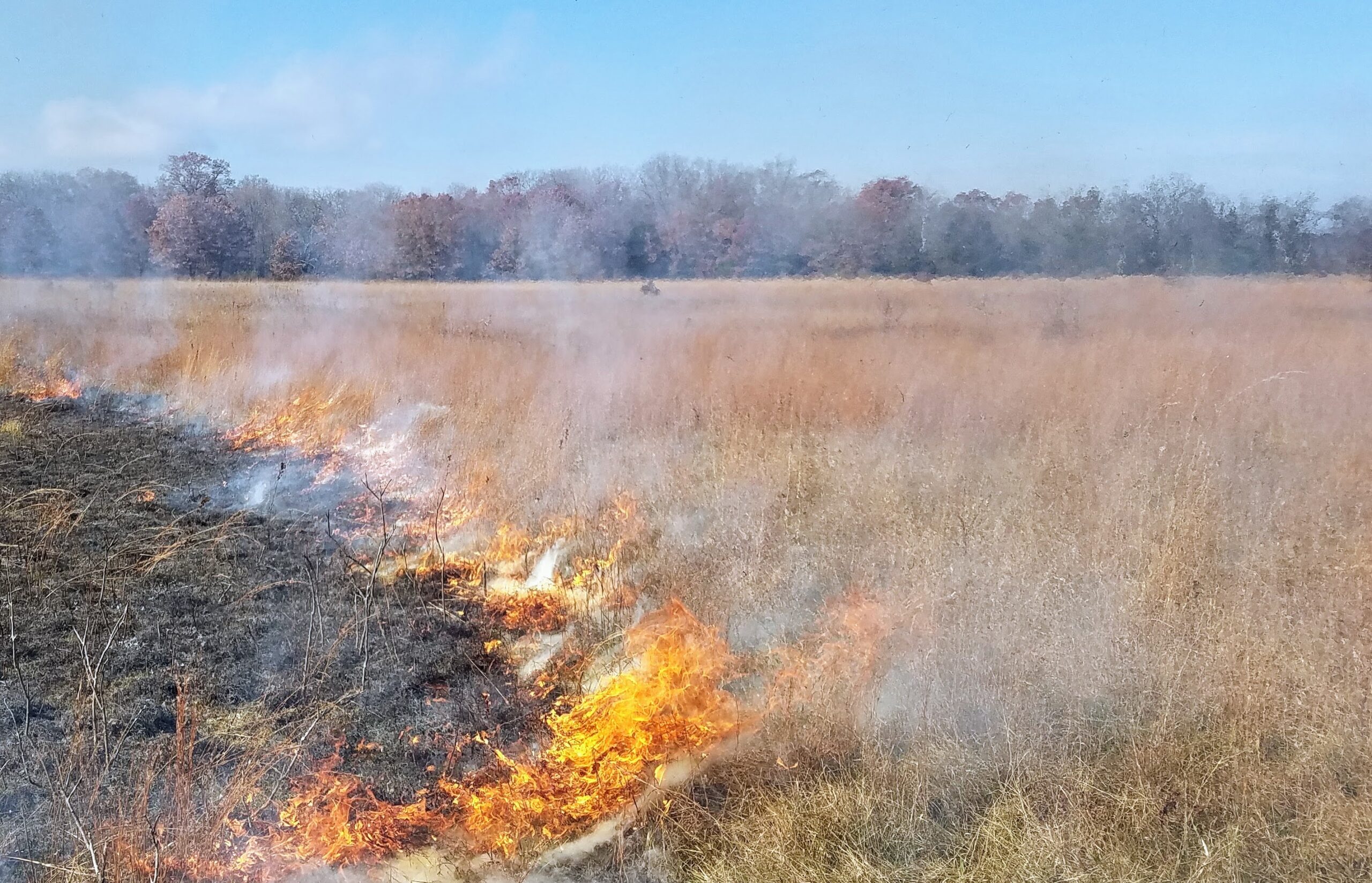
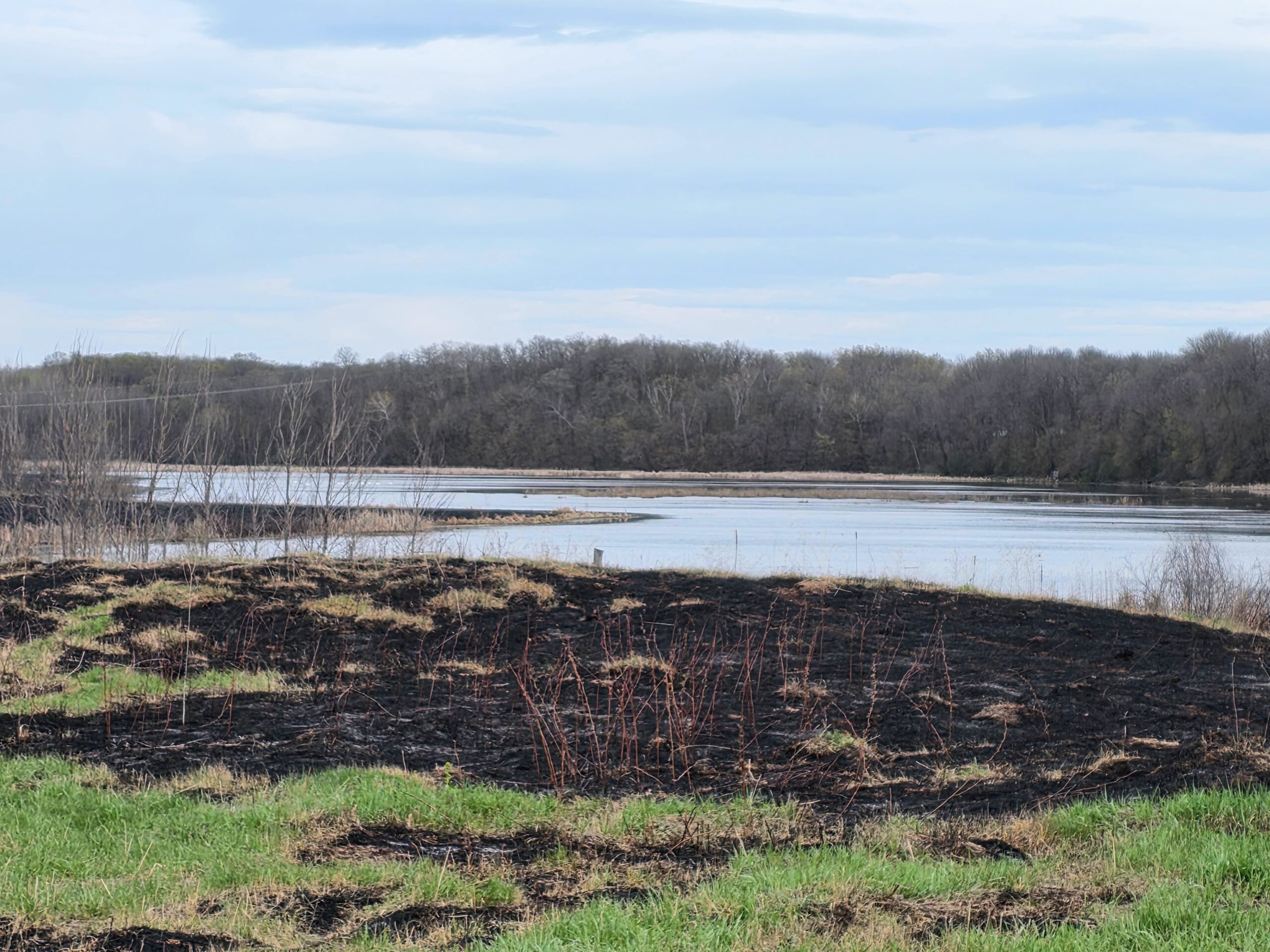
A big reason this region has such clean water is because of the prairies, forests, barrens, and bogs that existed before logging and farming began. Those lands were healthy because Indigenous people used fire to promote diverse ecology, and because they used its resources with respect for long-term sustainability.
Indigenous people helped maintain rare ecosystems and natural resources we are still benefiting from today. I have learned a lot about environmental stewardship from Native people.
I’ll talk a bit more later about what Indigenous people are doing today to protect and restore water, land, and wildlife.
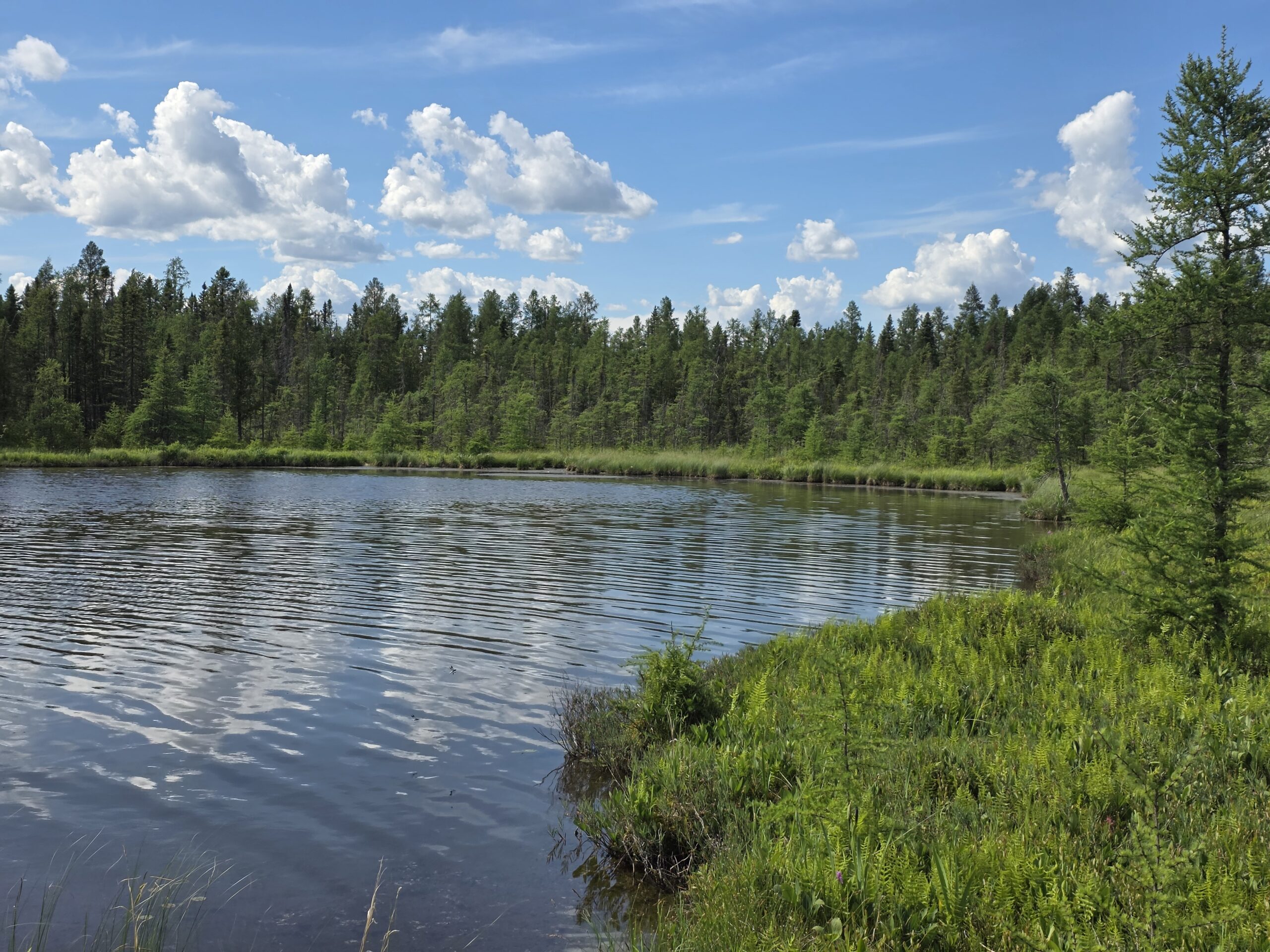
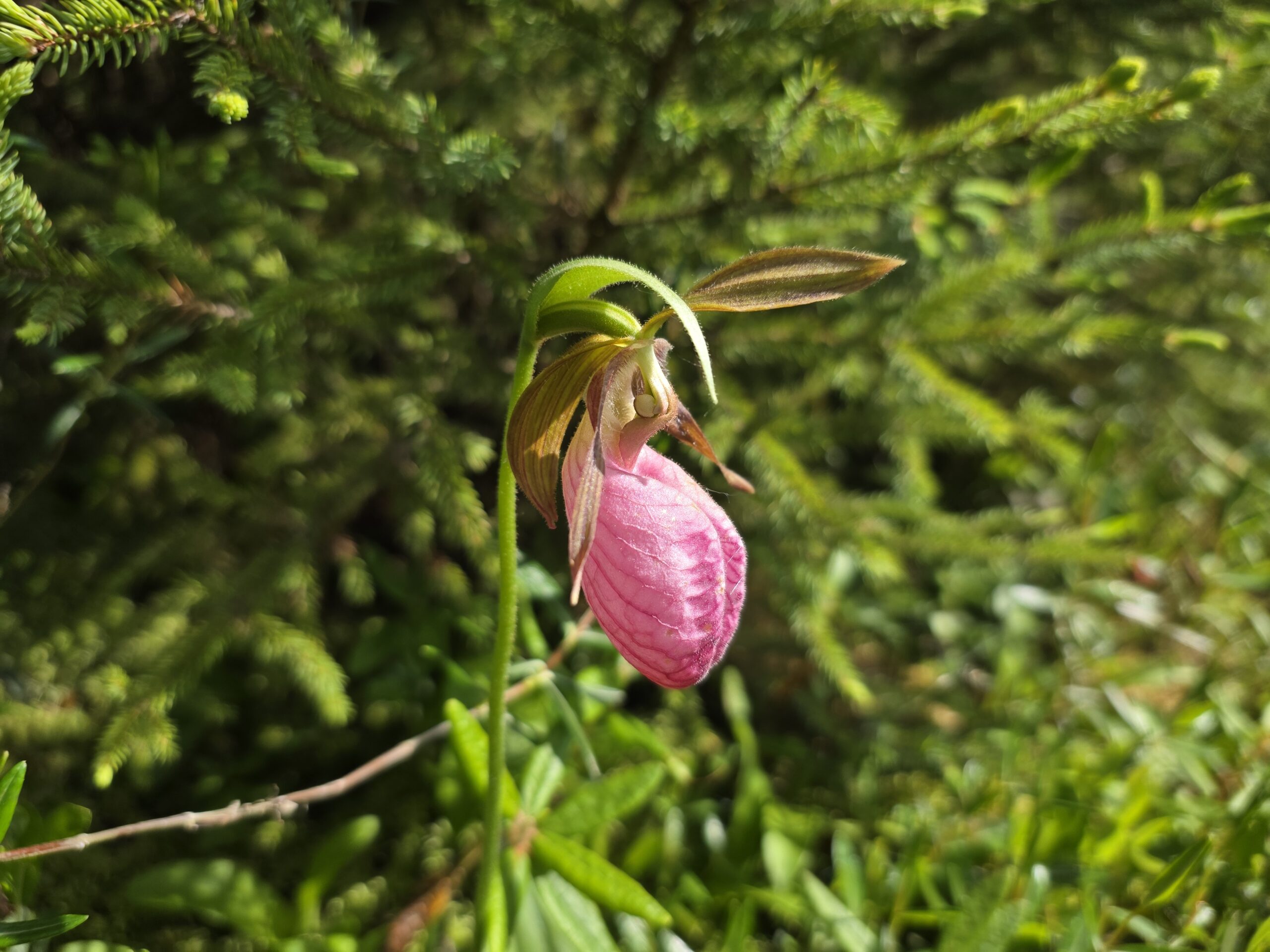
Kissick Swamp Wildlife Area (Greg Seitz/St. Croix 360)
Francis Zirrer was born in Austria in 1885 and moved to Yugoslavia before coming to the United States, where he roamed to Glacier National Park and beyond, before settling with his wife Clara near Hayward in 1928.
Zirrer spent the next few decades in close connection with the natural world, and wrote about it occasionally for articles in various publications and in letters with experts. Zirrer developed deep insights into the lives of birds like ravens, great-horned owls, and pileated woodpeckers. (Thank you to Sumner Matteson of the Wisconsin DNR for research that has helped keep Zirrer’s memory alive.)
He also decried what he saw as abuses of nature.
Biologists at that time often “collected” specimens by shooting them. Zirrer wrote of his disdain for that practice in a letter, quoting a German naturalist who had said, in translation:
“Rather a hole in science than one in nature.”
And he expressed dismay about his neighbors’ tendency to kill every raptor they saw, mistakenly believing they were protecting their chickens or game birds. Zirrer wrote:
“Every bloodthirsty idiot can empty his gun at everything that looks like a hawk with the excuse that it was a ’bad hawk.’”
And in another letter, he lamented the constant cutting of forests that provided homes for the animals he loved. In 1959, he wrote:
“Outside my cabin the forest looks empty and desolate. Before long, however, the chain saws will be back here. In spite of conservation talk, the woods are still exploited to the limit. Every tree that is not too small must go. There is hardly a day that I don’t hear the distant buzzing of the chainsaw. One or two logs are secured; the rest—one-half to two-thirds of the tree—is left to decay.”
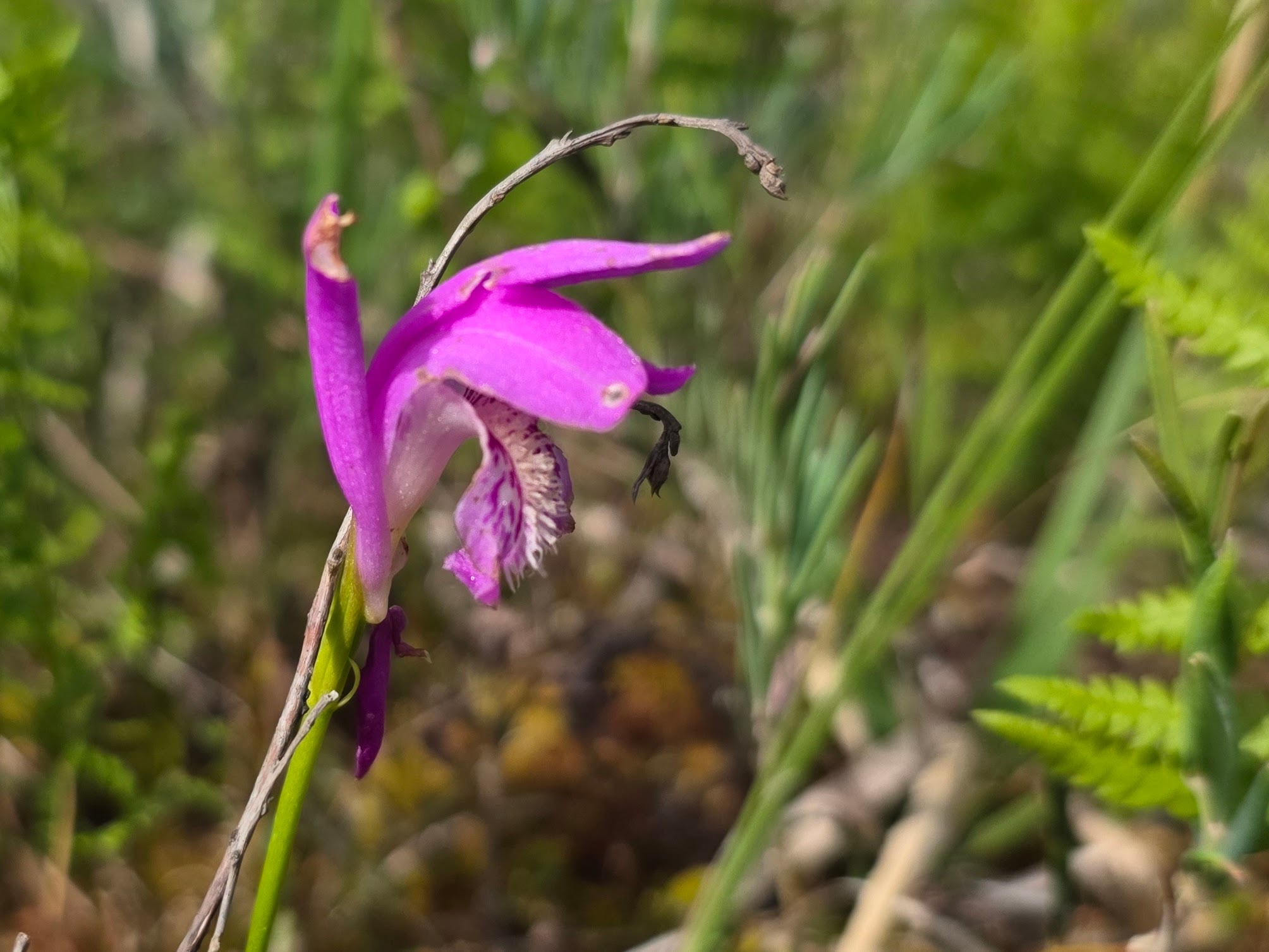
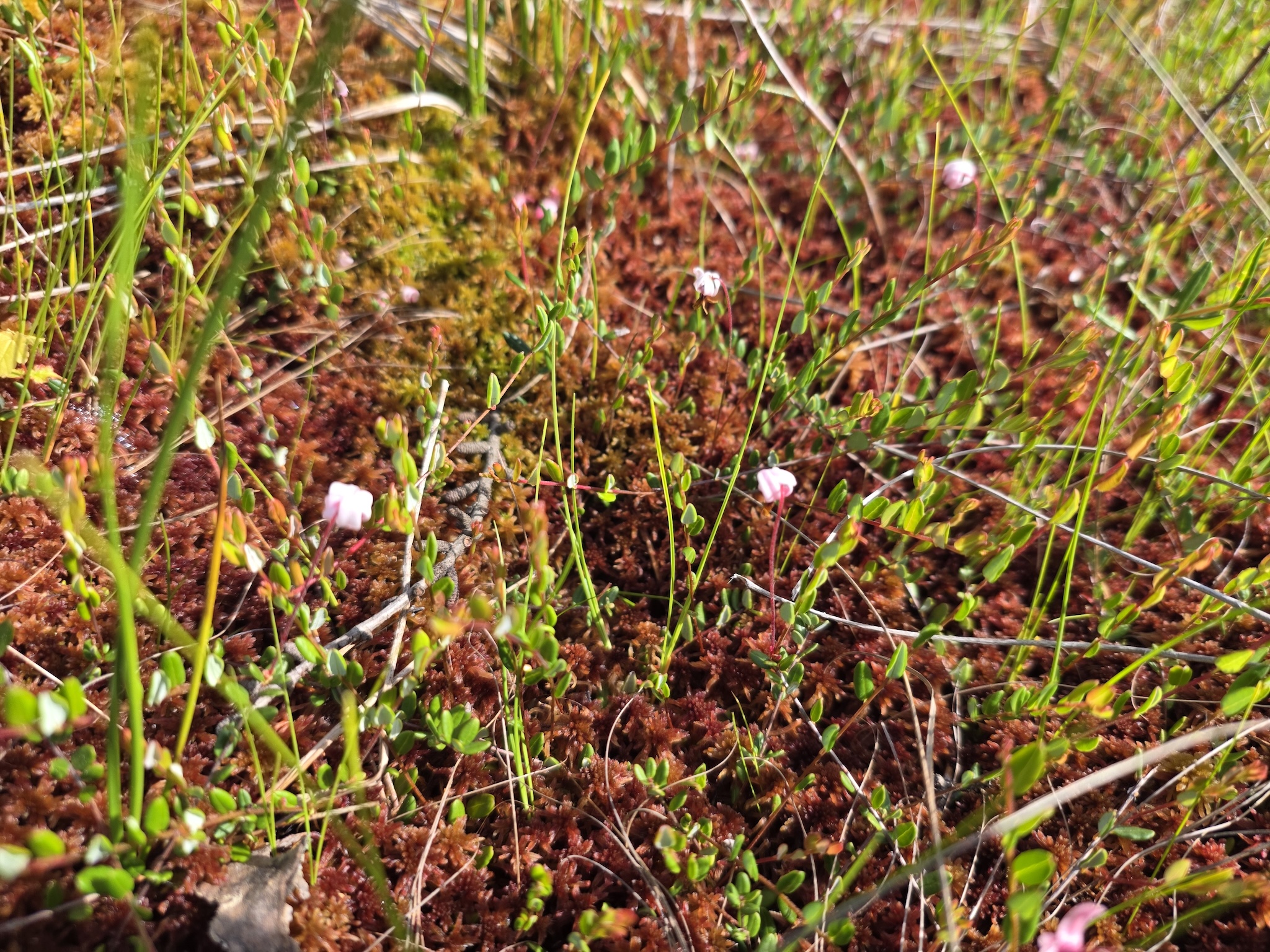
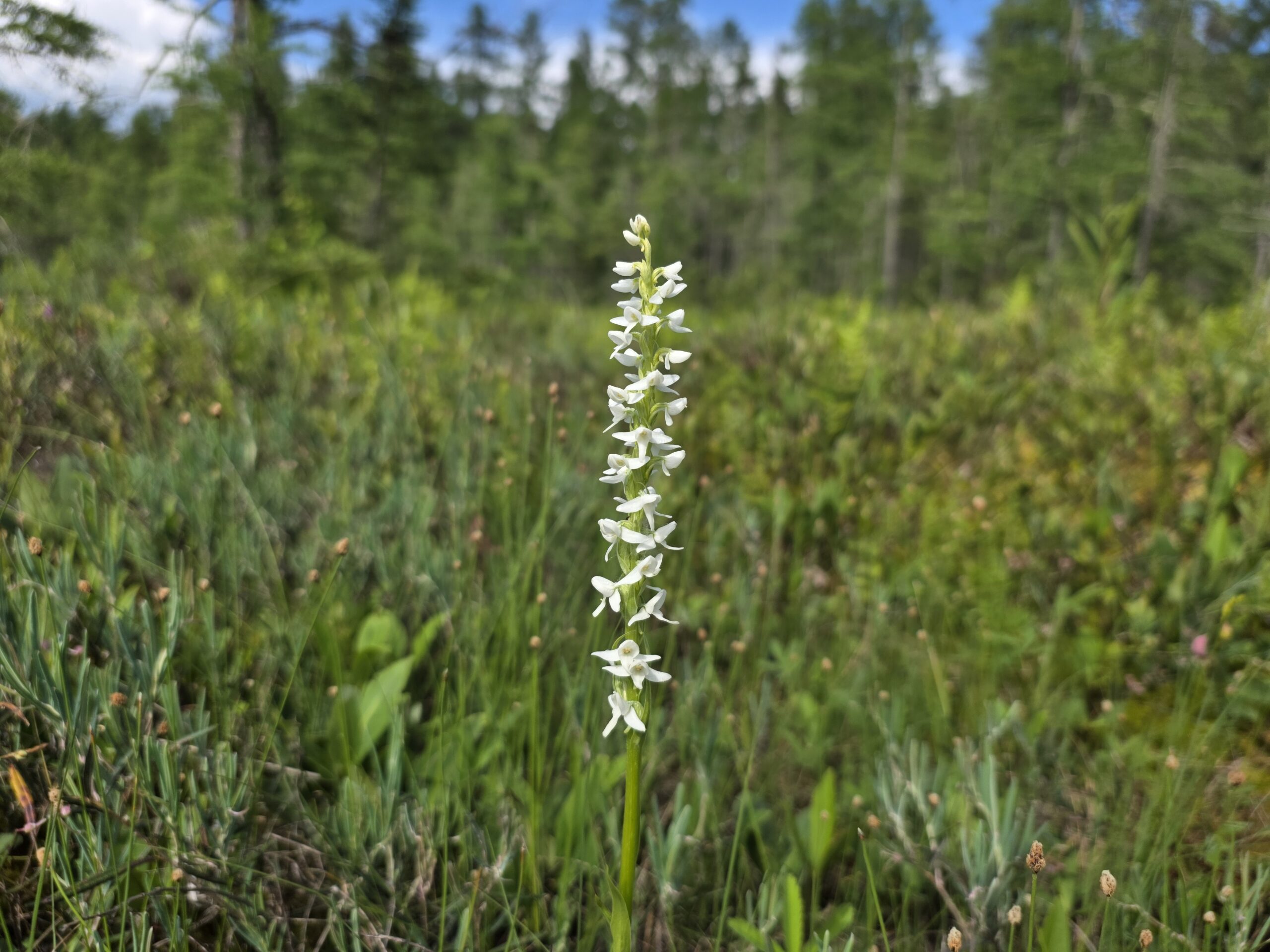
One of Francis and Clara’s houses was what he described as a shack on the edge of a peat bog. That bog is today protected as Kissick Swamp Wildlife Area. There are still birds and orchids—and a turkey that chased me quite some distance when I visited this summer.
Turkey attack! (A bit blurry, sorry, I was being chased by a turkey.)
Marguerite Schwyzer
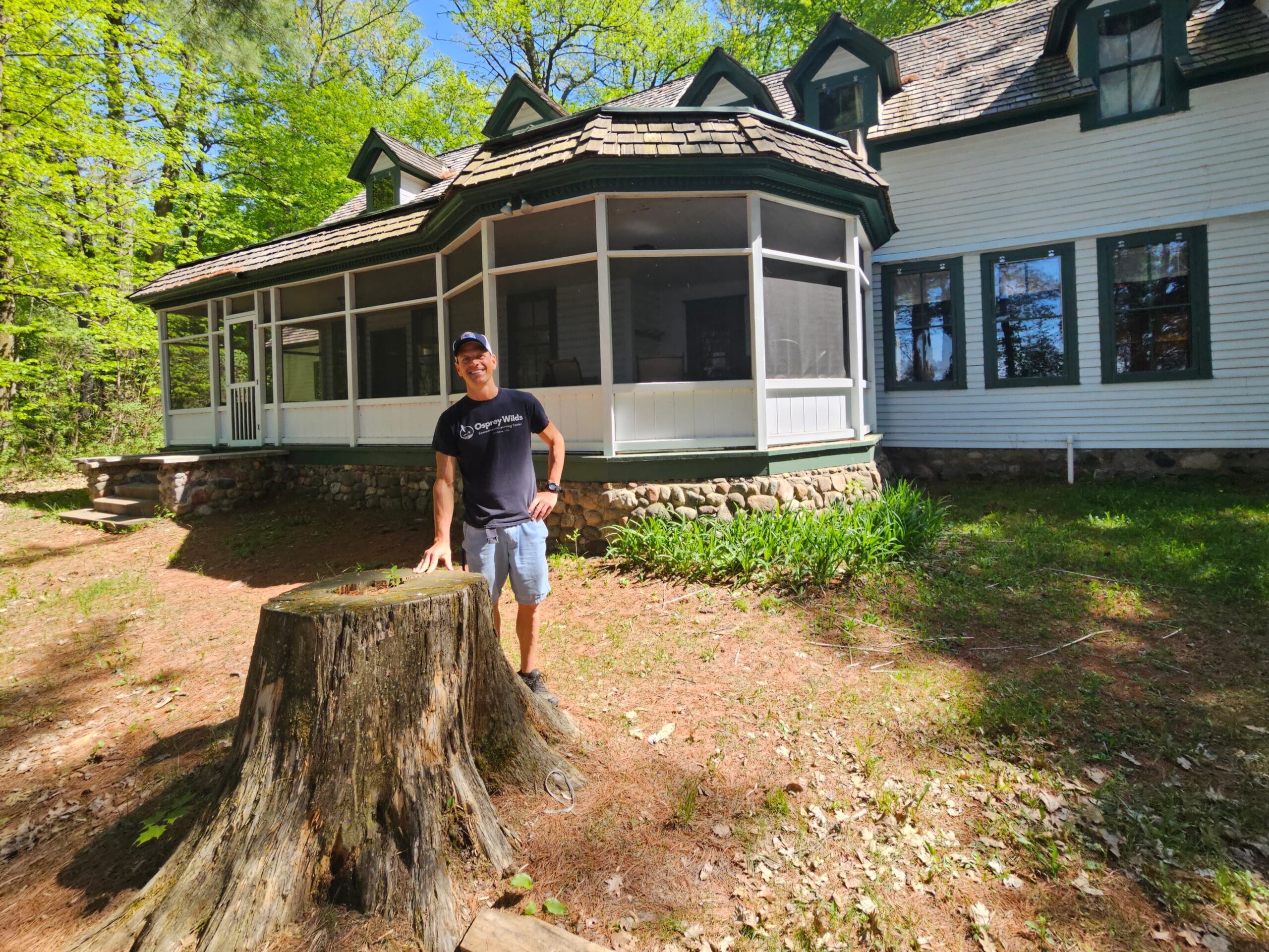
Osprey Wilds executive director Bryan Wood stands in front of Schwyzer Lodge, which was originally built for the Schwyzer family, and an old-growth white pine stump cut in recent years. (Greg Seitz/St. Croix 360)
Dr. Marguerite Schwyzer’s parents purchased a farm in 1898 on Grindstone Lake, near Sandstone, Minnesota, in the Kettle River system. The St. Paul family used it as a vacation retreat for decades. Grindstone is a special lake, one of the deepest in the watershed and the farthest south that lake trout are found in Minnesota.
In 1968, Marguerite donated 535 acres to the Audubon Society and it became the Audubon Center for the North Woods, an environmental refuge and education center. (In 2019, it was renamed Osprey Wilds Environmental Learning Center.) Marguerite probably could have sold it to someone who would have subdivided the land and built dozens of cabins or homes along property’s 4,000 feet of shoreline. Instead, she provided a priceless place for everyone to experience nature.
My fourth grader will spend two nights there next month on a school trip, which we’re all excited about. I have also been fortunate enough to have been awarded an artist residency at Osprey Wilds while I work on my book, spending significant time writing in a one-room cabin and exploring the storied property, where you can still find old-growth white pine stumps that remain from logging in the 1880s. All thanks to the generosity and foresight of Dr. Marguerite Schwyzer.
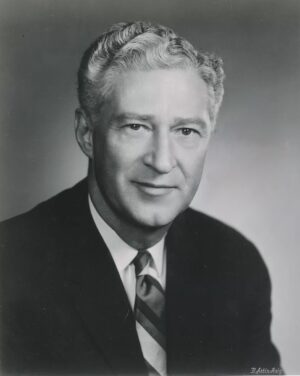
Warren Knowles was born in River Falls in 1908 and grew up fishing for trout in the Kinnickinnic River, a tributary of the St. Croix. As he got older and worked as a lawyer in New Richmond, he was active in local Rod and Gun Clubs that promoted hunting and fishing and wildlife management. He helped develop a trout hatchery in Star Prairie and took part in many other local initiatives to protect the environment.
In 1940, Knowles was elected to the State Senate and began getting involved in Wisconsin’s natural resources efforts. In 1964, he was elected governor and served until 1971, having led the state during a time of turmoil and protest.
Over the course of his career, Knowles championed efforts to increase funding for acquiring and protecting land, getting cities to stop dumping sewage into our rivers, and much more.
It is important to mention that Warren Knowles was a lifelong Republican and clearly saw that his conservative politics were compatible with conservation—even when it meant increased taxes and regulations.
Knowles also started the tradition of hosting a governor’s fishing opener each spring. In 1993, he attended the opener and, after fishing the afternoon, died of a heart attack. His friends said it’s how he would have wanted to go.
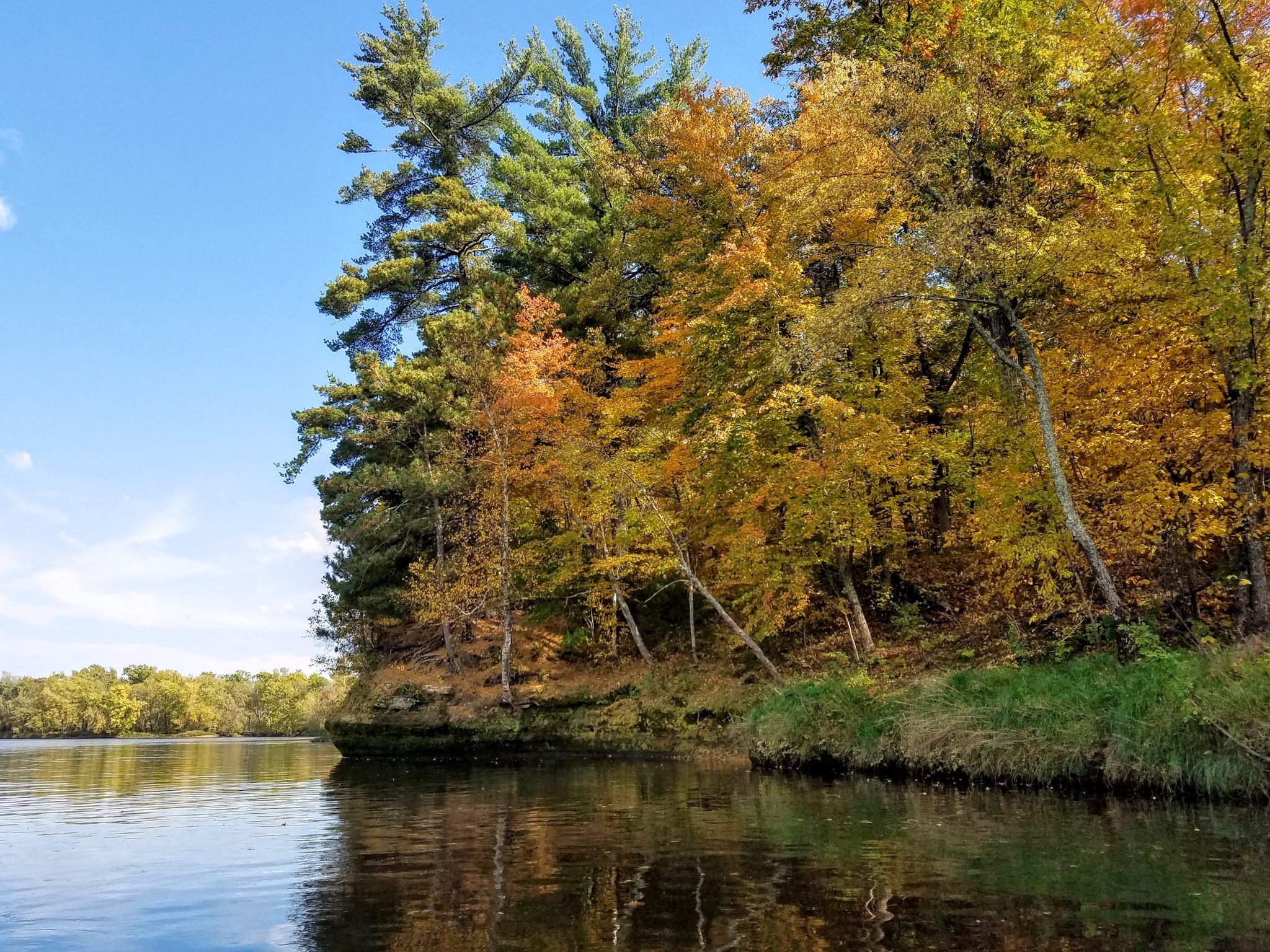
St. Croix River, Governor Knowles State Forest. (Greg Seitz/St. Croix 360)
Knowles’ best known quote is appropriate for a group like Wild Rivers that is focused on one riverway, one watershed:
“While I recognize the need for global support for the environment, I have always thought that the slogan ‘Think Globally, Act Locally,’ is an important plan of action for everyone.”
It’s a reminder that we must not get distracted by events and problems elsewhere in the country and the world and ignore what’s happening on our beloved St. Croix. Supporting Wild Rivers Conservancy is one important way of doing that.
Tribal conservation
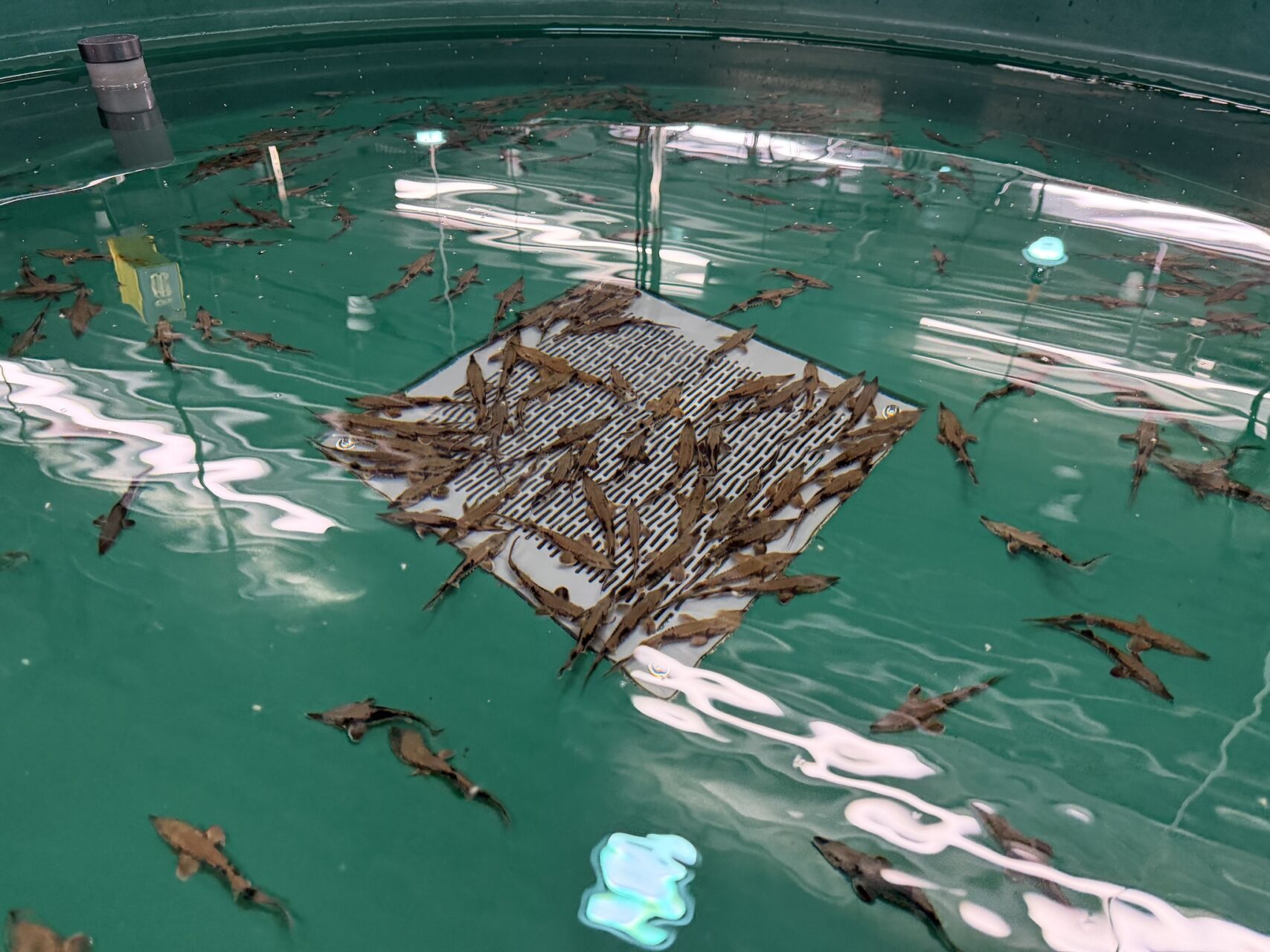
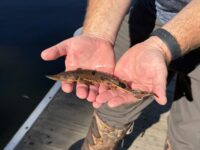
Juvenile lake sturgeon at the St. Croix Tribe’s hatchery in Hertel, Wisconsin. (Greg Seitz/St. Croix 360)
I will close by going back to the Indigenous people who care for this river and its watershed. I recently visited the St. Croix Tribe of Ojibwe’s hatchery near Hertel, Wisconsin and saw a high-tech facility where thousands of baby lake sturgeon are being raised in big tanks. They’ll be released into the Clam River later this fall.
This is the second year of a 20-year plan to restore the iconic fish in that river system. For an imperiled species, the tribe is making an incredible investment that will benefit the entire ecosystem.
Kelly Applegate, Rice Lake National Wildlife Refuge. (Greg Seitz/St. Croix 360)
This summer I also met with Kelly Applegate, commissioner of the DNR for the Mille Lacs Band of Ojibwe. They have been leading the fight against proposed metal mining in the upper Mississippi region, with a risk it could expand into the St. Croix River watershed. Applegate showed me precious beds of manoomin (wild rice in the Ojibwe language) and a refuge full of plants that are valuable foods and medicines, and explained how the band is leading the fight to protect it from mining pollution.
A few weeks ago, I joined tribal members harvesting wild rice near the town of Siren. There are hundreds of acres of rice on the lake, thanks to the St. Croix Tribe. Birds fluttered among it, feasting on the grain and the caterpillars which live on it—and which I was covered in by the time we were done.
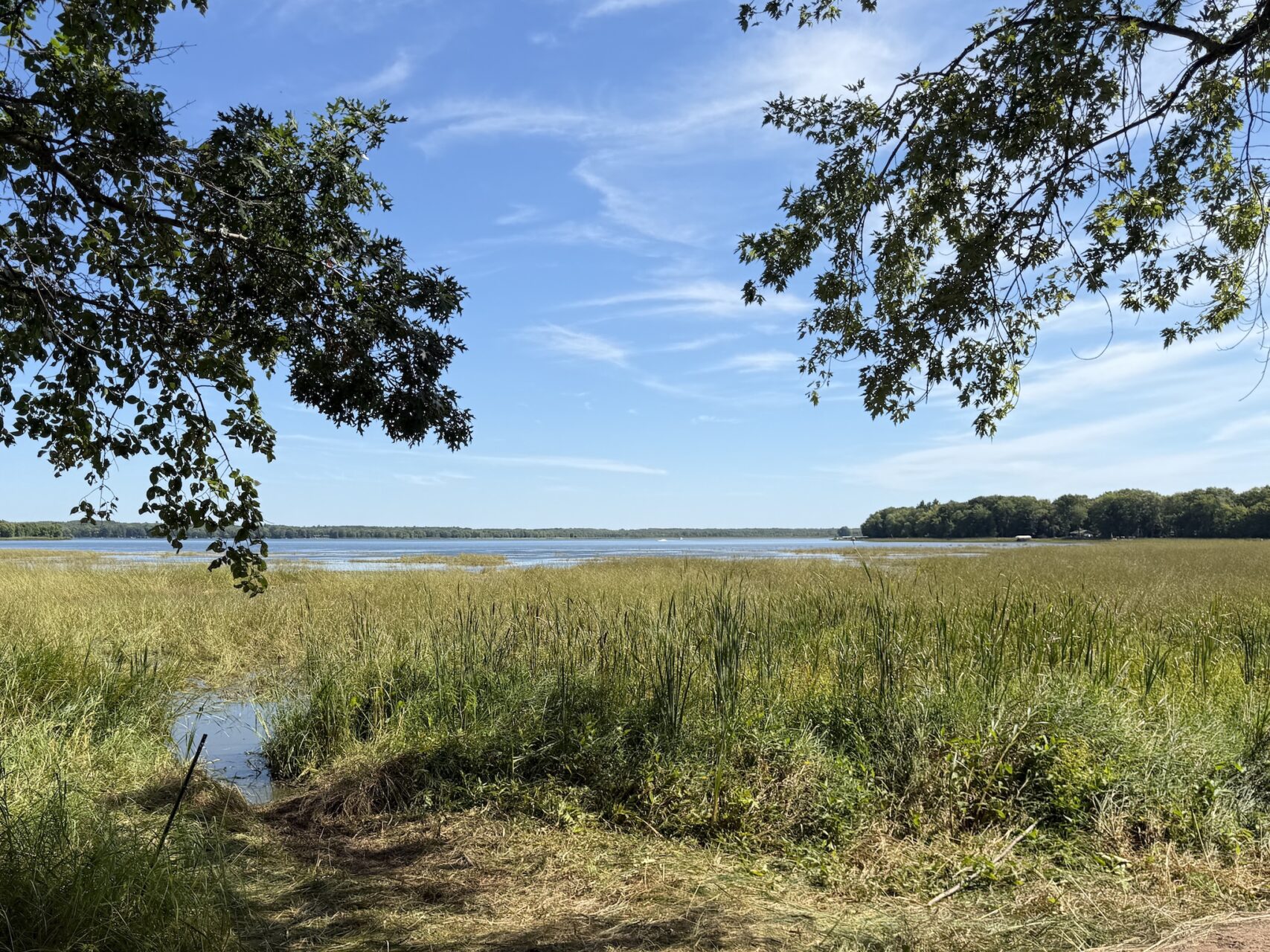
Wild rice beds on Clam Lake. (Greg Seitz, St. Croix 360)
In the past couple decades, the St. Croix Tribe led an effort to remove non-native carp from the lake, which were destroying the rice, muddying the waters, and otherwise wreaking havoc. After taking 700,000 pounds of carp out, the tribe reseeded the rice, and hundreds of acres of it are growing again. This provides food for many people, and it’s also critical for migrating waterfowl and lots of other birds.
Harvesting rice is infused with respect for manoomin and the delicate ecosystem in which it grows. The St. Croix Tribe’s sense of responsibility to water and nature benefits all of us, and I am grateful for Native stewardship and environmental leadership.
There are countless other conservationists I could have mentioned, and many more who have been forgotten. I enjoy the gifts they have provided us and I believe the least we can do is remember them, express our gratitude, and carry their work forward.
St. Croix 360 offers commenting to support productive discussion. We don’t allow name-calling, personal attacks, or misinformation. This discussion may be heavily moderated and we reserve the right to block nonconstructive comments. Please: Be kind, give others the benefit of the doubt, read the article closely, check your assumptions, and stay curious. Thank you!
“Opinion is really the lowest form of human knowledge. It requires no accountability, no understanding.” – Bill Bullard
Whoops! There was an error and we couldn't process your subscription. Please reload the page and try again.
By clicking subscribe, you agree to share your email address with St. Croix 360 and Mailchimp to receive emails from St. Croix 360. We will never share your information with anyone else.



Comment