Wildflower Painting Station on August 21 from 9:30-10:30 at the Visitor Center: Learn about parts of a wildflower and why certain pollinators are drawn to them! There will be paint and paper to create your own wildflower. This activity will take 10-20 minutes. Suitable for ages 2 and over.
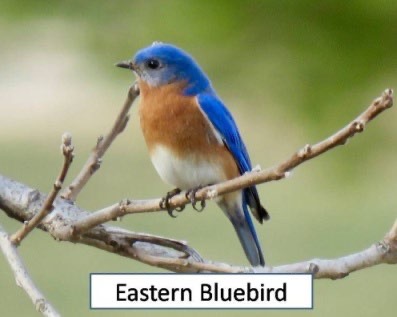
All About Bluebirds on August 21 from 1-2 p.m. at the Visitor Center: Discover the story of the Eastern bluebird at Afton State Park, one of Minnesota’s most beloved comeback species. Beginning with a presentation on bluebird history, we will head outside for a guided hike through their natural habitat. Along the way, we will observe nest boxes. Perfect for all ages. This program will include a non-strenuous hike near the visitor center. Bring sun protection and bug spray.
Fossil Fast Facts on August 21 from 1:30-3:30 at the Visitor Center: This fun nature table will explore Minnesota’s fossil world and teach you about some of the common fossils found here. Drop by and learn some fun fossil facts!
Astronomy
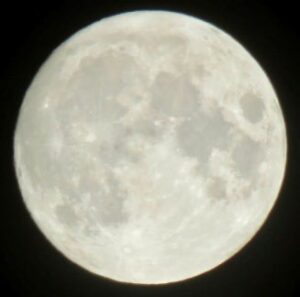
The Full Sturgeon Moon is on Thursday the 27th, and there will be a partial eclipse! The Moon will move into the earth’s shadow at just about 9:30 in the evening, and by 11:00 96 percent of the Moon will be in shadow. That’s nearly a total eclipse!
Birds
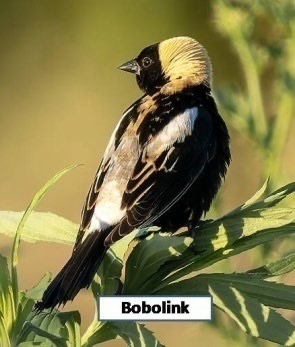
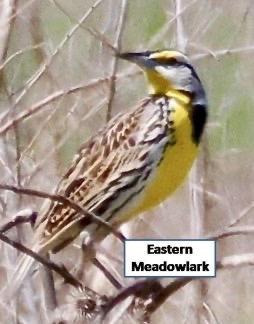
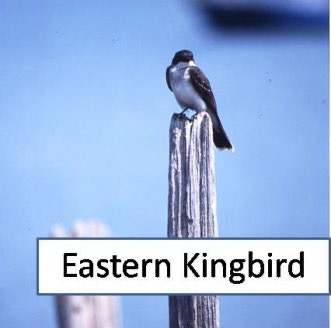
Many of the birds on the prairie through the summer will soon fly south for the winter. Try to catch a last glimpse of Meadowlarks, Bluebirds, Kingbirds, Bobolinks and others before they leave! Meadowlarks and Bluebirds will travel to the southern U.S. and Mexico, Kingbirds fly to the forests of South America, and Bobolinks winter in the grasslands of South America. Swallows are forming flocks to head south.
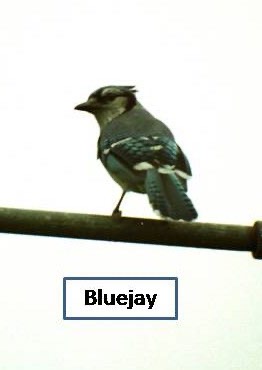
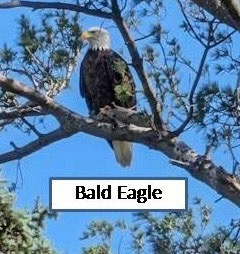
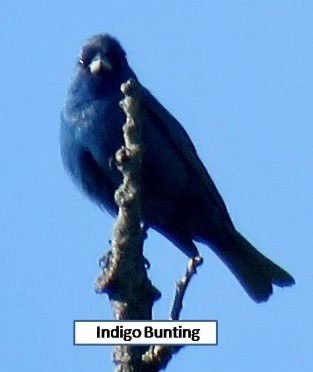
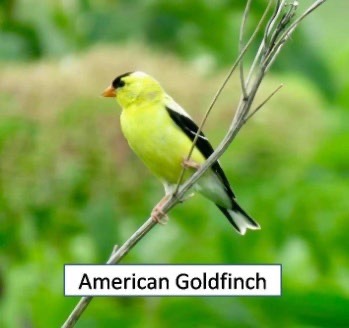
At this time of year visitors to Afton have reported seeing Indigo Buntings, Bald Eagles, Bluejays, and American Goldfinches. Indigo Buntings will leave soon to fly south, going to the Caribbean or Mexico for winter. Eagles will stay in our area as long as there is open water on the rivers. Bluejays and Goldfinches will stay at Afton through the winter.
Mammals
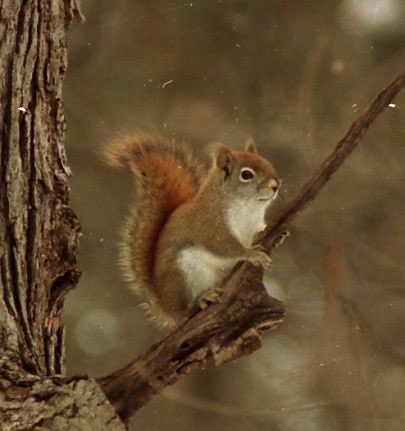
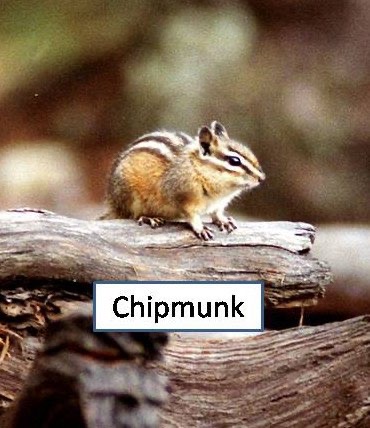
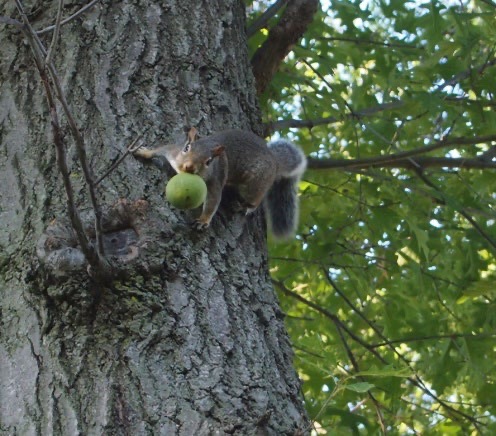
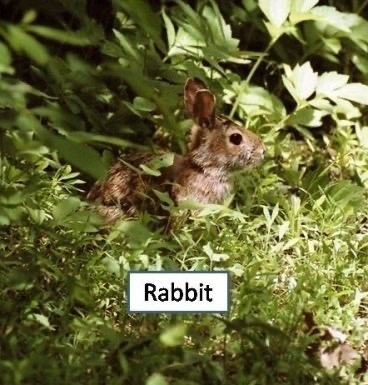
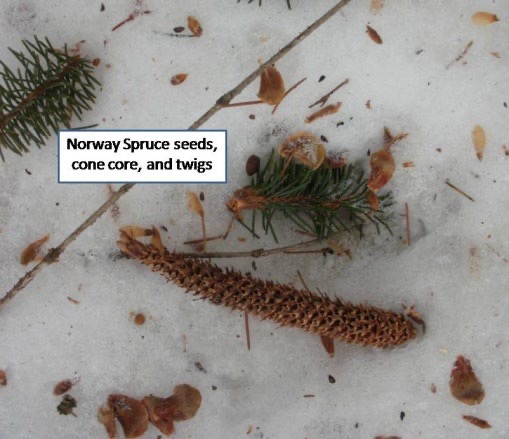
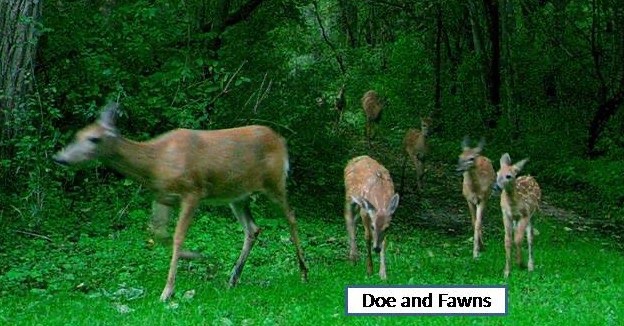
Gray squirrels prepare for winter by gathering black walnut seed pods and acorns. Red squirrels are more likely to gather seeds from conifers. If you see the core of a spruce cone on the ground, chances are a red squirrel has been at work harvesting the seeds. Look for both gray and red squirrels at Afton. And visitors at this time of year report seeing rabbits, chipmunks, and does with fawns.
Amphibians and reptiles
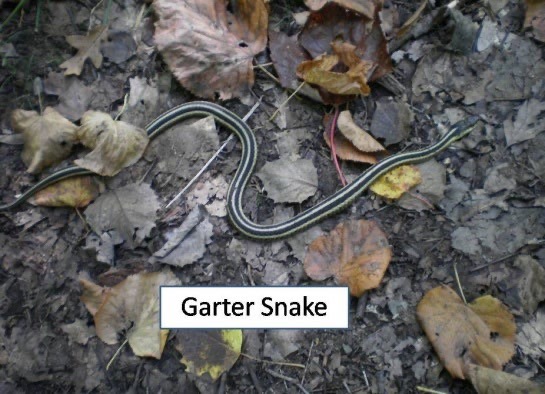
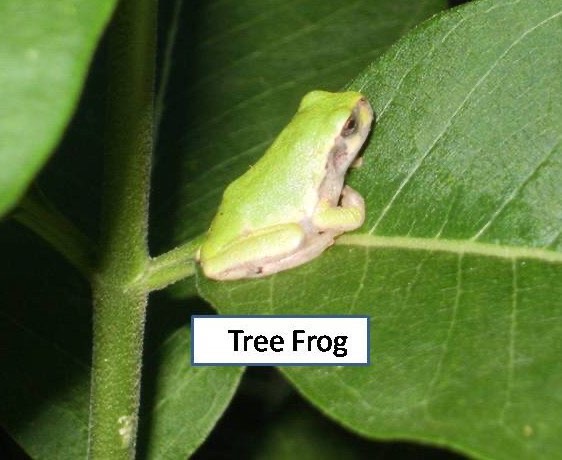
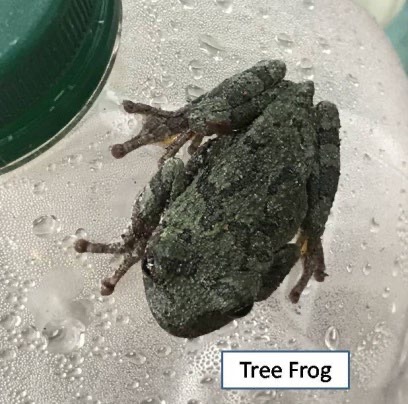
A few tree frogs, perhaps juveniles, are practicing their loud trilling call in the morning and evening hours. Look for them clinging to windows with their sticky toes in the early morning hours. Tree frogs can change color from gray to green and also shades of brown depending on their surroundings. Look for snakes basking on trails – be careful not to step on them, and be especially careful not to run over them if you’re riding your bike.
Insects
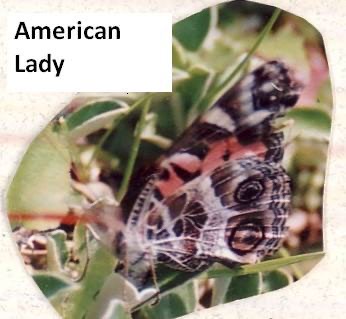
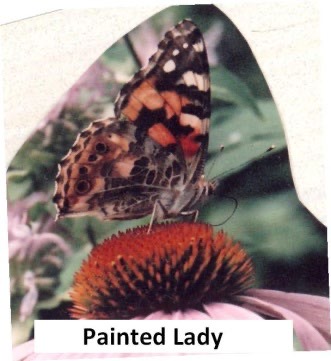
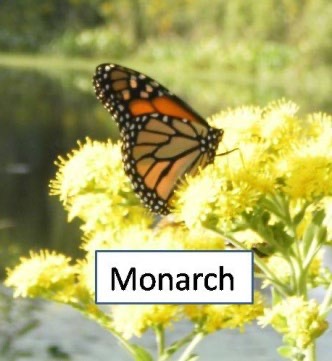
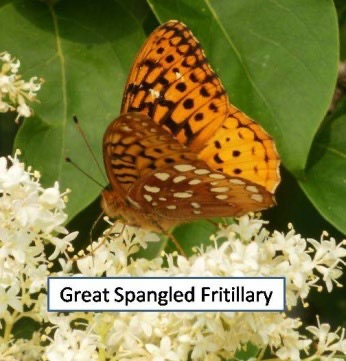
Monarchs, Painted Ladies, American Ladies, and Great Spangled Fritillaries are four species of butterflies you may see at Afton. Painted Ladies and American Ladies look very much alike; Painted Ladies have four “eye-spots” on their hind wing, while American Ladies have only two. All are “brush-footed” butterflies. Their two front legs are very short and have brush-like bristles on them. When you see one perched, it may look like it only has four legs and not six.
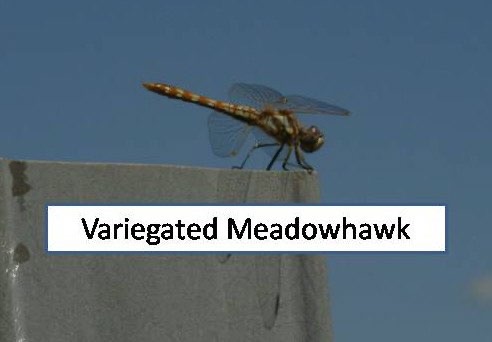
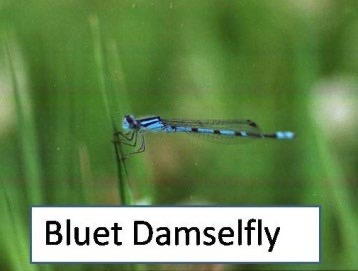
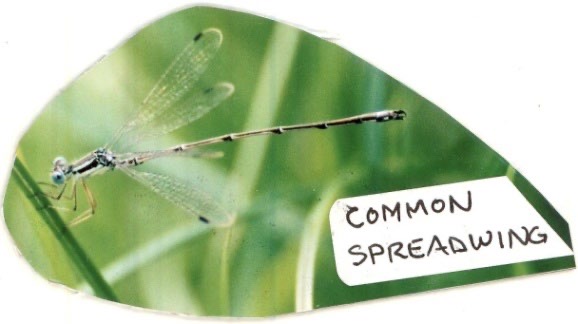
Look for damselflies, dragonflies, and spreadwings on sunny days. Most damselflies rest with their wings held together, while dragonflies rest with their wings spread open. And spreadwings, which are a group of damselflies, keep their wings spread out at an angle!
Visitors to Afton have reported seeing Monarch butterflies, Meadowhawk Dragonflies, and Bluet Damselflies at this time of year. Some Monarchs have started on their long flight south to Mexico.
Plants
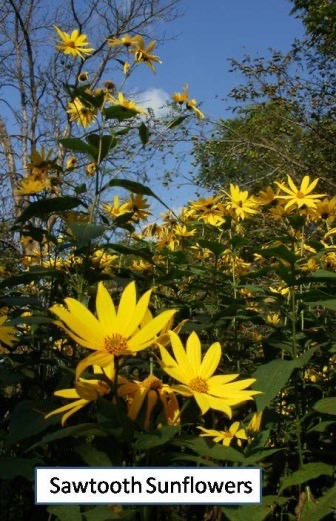
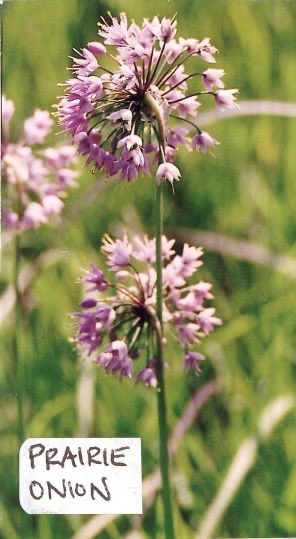
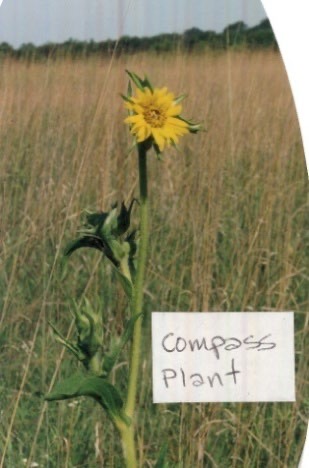
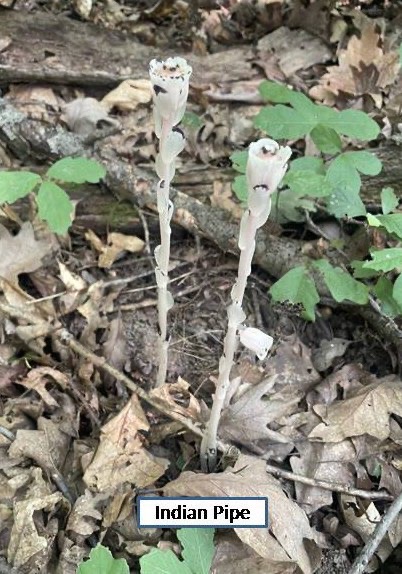
On the prairie look for Compass Plants, Prairie Onions, Sawtooth Sunflowers, and Indian Pipe. Indian Pipe looks like it’s a fungus but it’s a plant! It doesn’t have any chlorophyll so it’s dependent on green plants living around it. Fungi connect the roots of the Indian Pipe with the roots of other plants around it and that’s how it gets its energy.
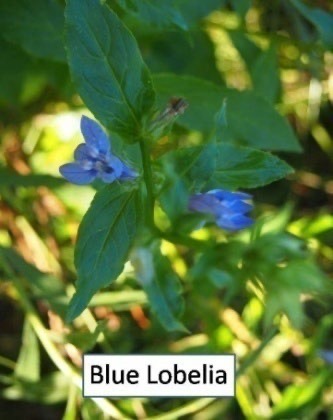
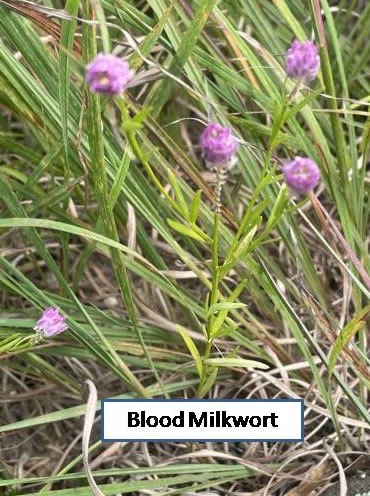
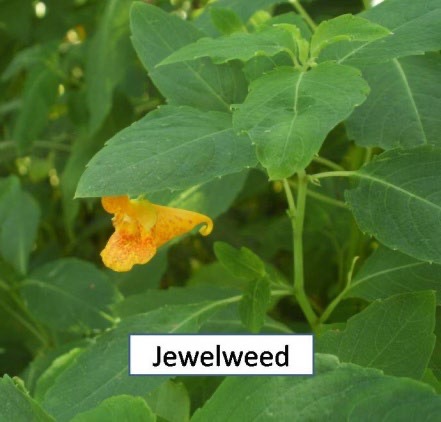
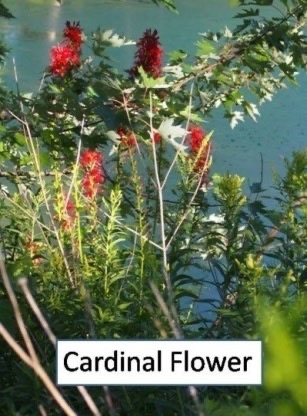
In wet areas look for Blood Milkwort, Blue Lobelia, Cardinal Flower, and Jewelweed, which is a favorite of hummingbirds. Hummers are fueling up for their long migration this fall, so if you have a hummingbird feeder this is a good time to put it out. They will travel over a thousand miles to Central America, sometimes going as far as 500 miles between takeoff and landing in one of many flight sessions.
Weather observations
Here are some weather observations for this week from past years.
Friday, August 21
2024: sunny and 80, but not humid; 2004: record low of 44°
Saturday, August 22
2025: gray and in the 70s; 2023: record high 98°; 2022: Pleasant day with temperature in the 70s; 2020: ½” of rain overnight, then hot and sticky
Sunday, August 23
2025: cool front overnight brings lows in the 60s; 2023: record high 98°; 2015: gusty winds and high only in the 60s
Monday, August 24
2009: sunny and pleasant, in the 80s; 2021: 1” rain
Tuesday, August 25
2013: record high of 96°
Wednesday, August 26
2022: high around 80° and sunny; 2021: cloudy in the morning, with a thunderstorm mid-afternoon and another in the evening; 2013: record high of 97°; 2005: record rainfall of 2.04 inches
Thursday, August 27
2022: thunderstorm in the evening; 2016: drizzle through day with high of 65°
Image credits:
All photos and images used by permission. Copyright Nina Manzi, except:
Dean Lokken: Chipmunk, Eastern Kingbird, Rabbit
Deborah Lokken-Berg: Bald Eagle
Paul Ludden: Bobolink
Gary Sater: Eastern Bluebird, Eastern Meadowlark, Full Moon
St. Croix 360 offers commenting to support productive discussion. We don’t allow name-calling, personal attacks, or misinformation. This discussion may be heavily moderated and we reserve the right to block nonconstructive comments. Please: Be kind, give others the benefit of the doubt, read the article closely, check your assumptions, and stay curious. Thank you!
“Opinion is really the lowest form of human knowledge. It requires no accountability, no understanding.” – Bill Bullard
Whoops! There was an error and we couldn't process your subscription. Please reload the page and try again.
By clicking subscribe, you agree to share your email address with St. Croix 360 and Mailchimp to receive emails from St. Croix 360. We will never share your information with anyone else.


Comment