Olmsted is currently pursuing a PhD in history from the University of Wisconsin-Milwaukee, studying the logistics and infrastructure of consumerism, tourism, and vacation that served the Twin Ports and Twin Cities wealthy elite in early 20th-century northwestern Wisconsin. He lives near Madison, Wis. and has been recreating in Douglas County for almost 40 years. He is retired from the nursery and landscaping business.
Olmsted is a 2024 Wisconsin Humanities Fellow and is writing a book on the Gibson Cabin. His research is supported by his family, the Gibson family, the University of Wisconsin-Milwaukee, the Gordon-Wascott Historical Society, and the National Park Service. Thank you to James and all his supporters for preserving and sharing these stories.
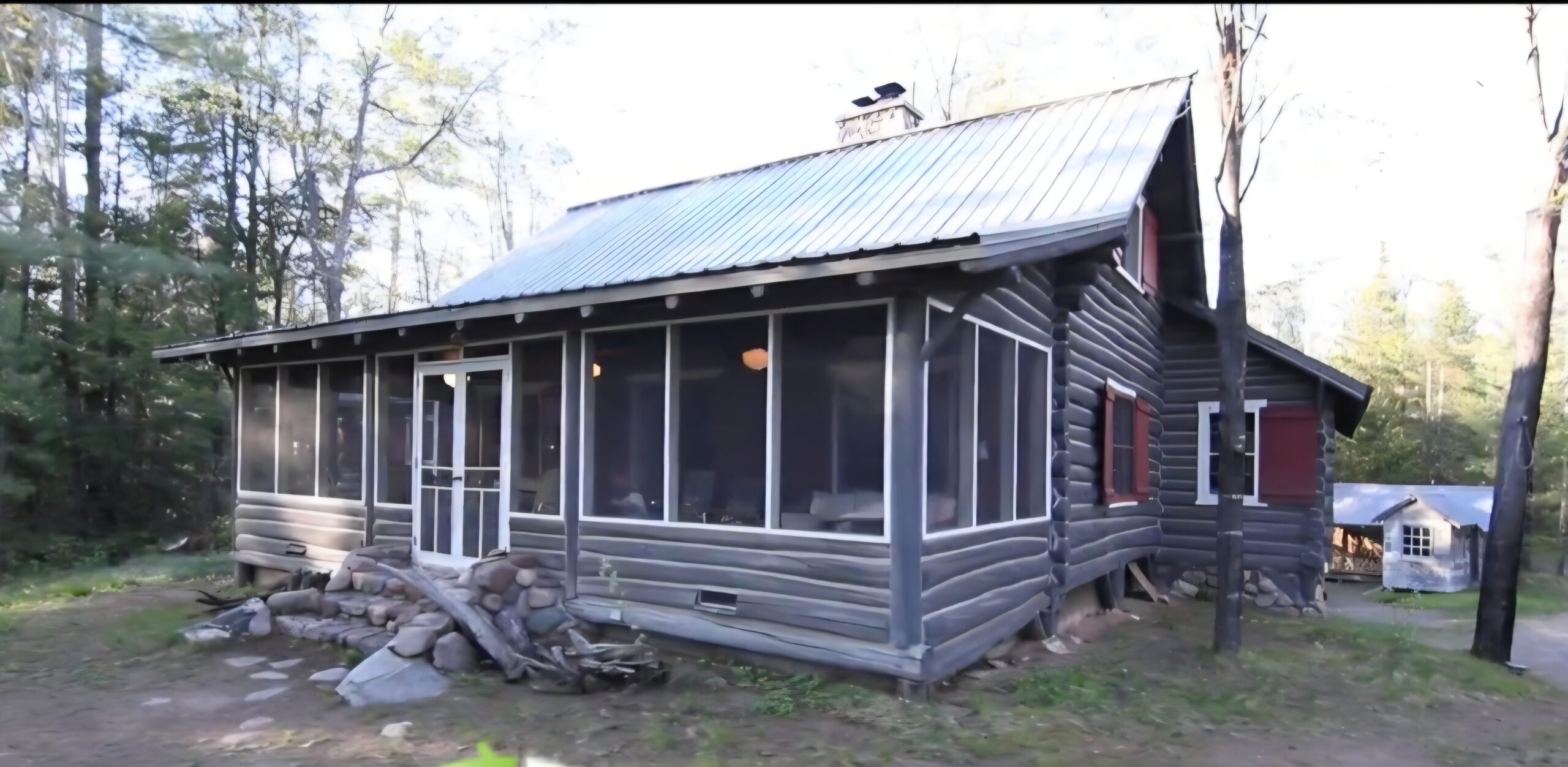
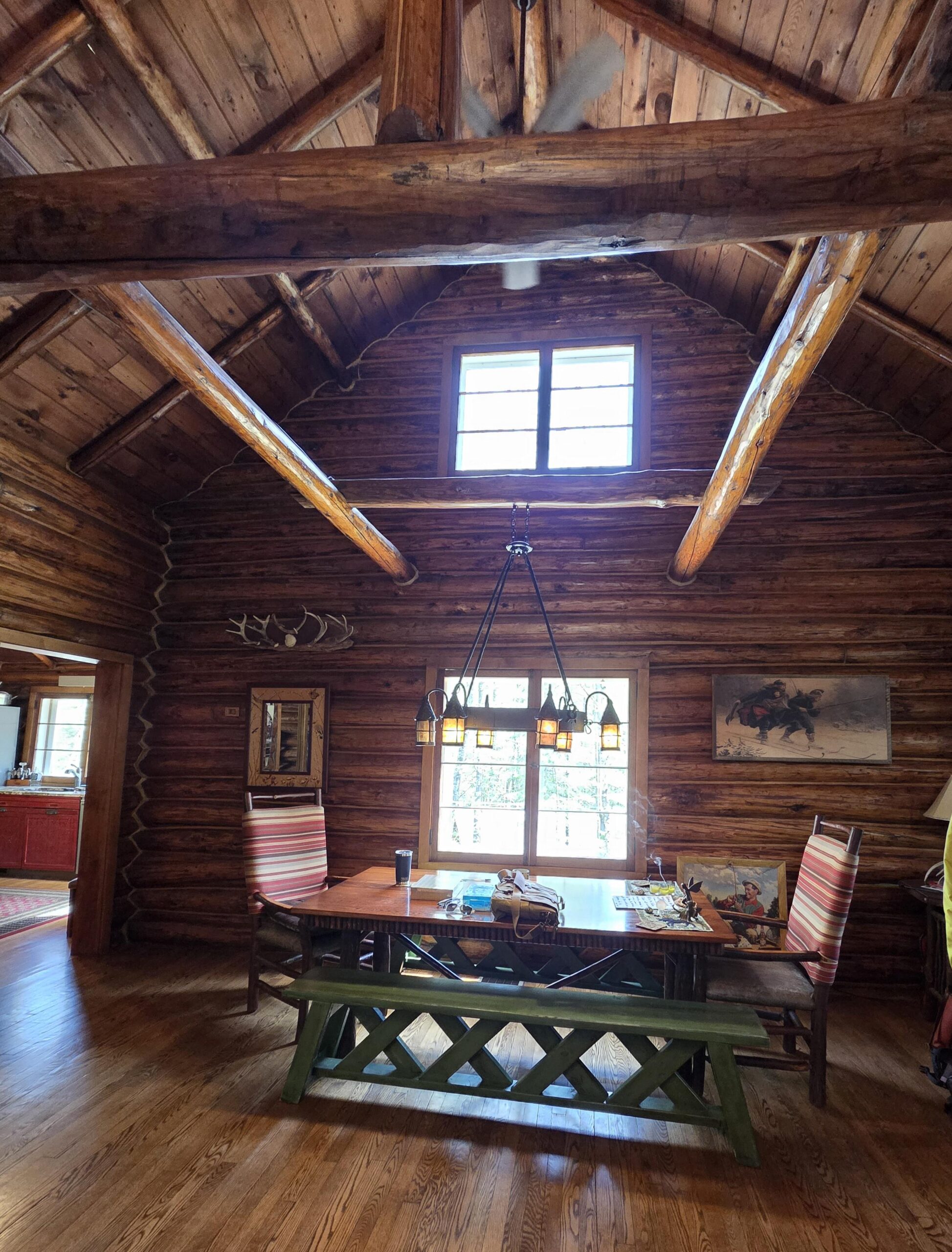
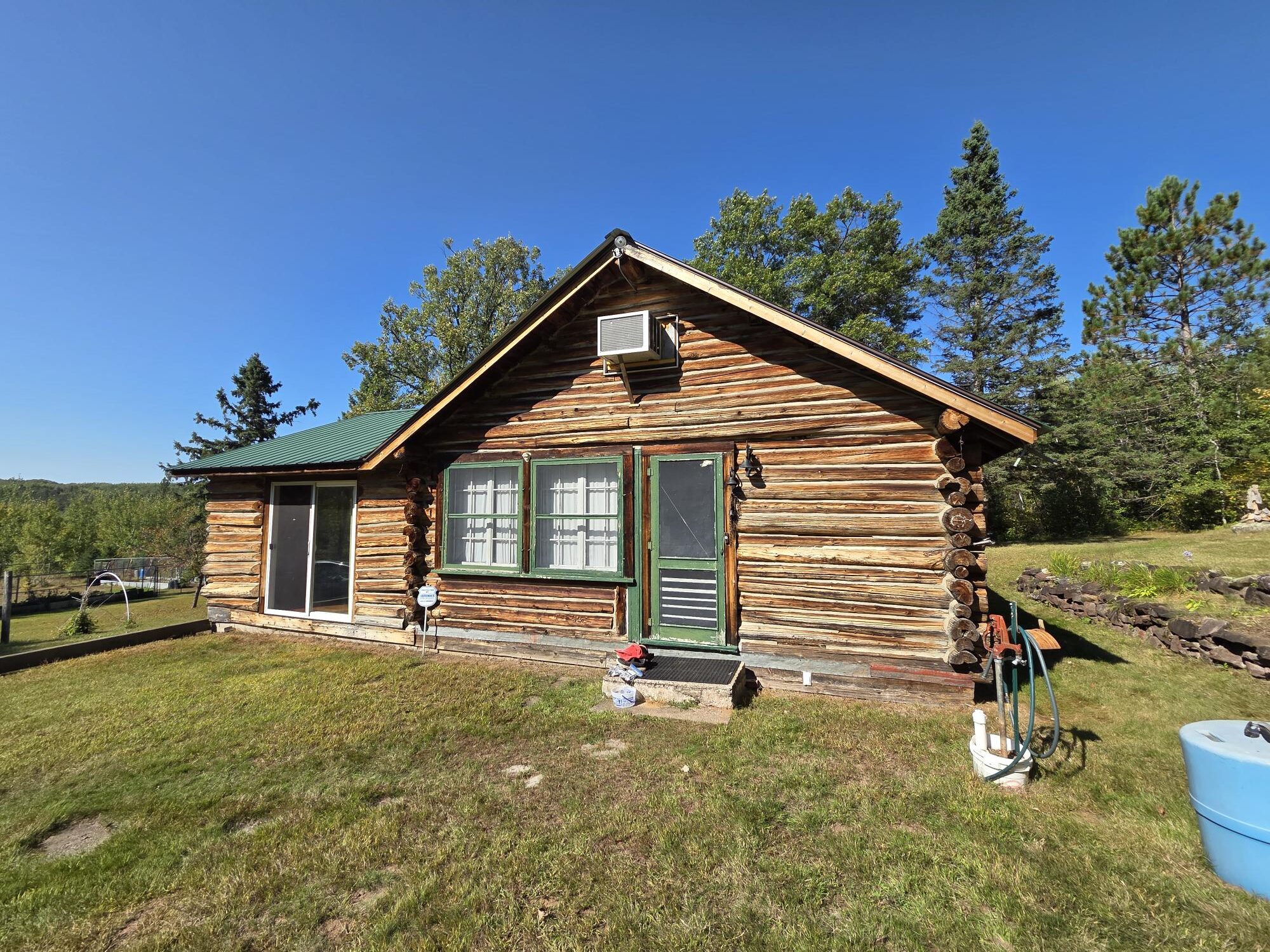
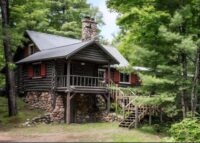
The relocated Ken Scott Lodge today.
The first time I visited Gordon, Wisconsin, was in 1986, when I was 16. We stayed at the remote Gibson cabin, an old log cabin along the St. Croix River, west of the Gordon Dam. The Ken Scott lodge was located a mile downriver from the Gibson cabin, built by the same builder, and auctioned and moved out of the National Riverway in the 1970s.
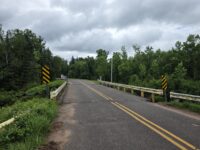
From 1986-1998, my family stayed at the Gibson cabin during hunting season, and I remember an old sign on one of the Gibson cabin’s walls that stated “Private Property of Ken Scott.” Glorious days they were, staying in the old log cabin for deer camp with no electricity or running water. As I hunted the river going west to the Moose River bridge, I would stop and sit at the picnic table at the National Park Service’s primitive campsite where the Ken Scott lodge used to be, and breathe in the beautiful scenery. I would gaze up the St. Croix River to Scott’s Rapids and then downriver to Scott’s Bridge, and I would ask myself, who the hell was Ken Scott?
Ken Scott was a multi-millionaire grain trader and Great Lakes shipping vessel broker with offices from Winnipeg to Cleveland. Scott owned or was a partner in several businesses, was involved with U.S. Steel and Quaker State Oil, and retired in 1944. He was married twice, had no children, and loved dogs. Ken used much of his wealth for philanthropy, financing the Scott Research Foundation for pets at Auburn University, and establishing the Kenneth A. Scott Charitable Trust, which today is one of the country’s largest animal protection foundations. Scott bred hunting dogs and was involved in national hunting dog competitions in Alabama and Northern Wisconsin. In Wisconsin, he was on the Northern States Amateur Field Trials Association board of directors throughout the 1950s.
Because of the 1968 Wild and Scenic Rivers Act, Scott was forced to sell 400 acres of his land in the St. Croix River valley to the National Park Service (NPS) in 1974, including his rustic cabin on the river. After he sold his land, his cabin and outbuildings were auctioned off and moved from the riverway between 1975 and 1977. Scott died in 1977, and local memory of him appears in the names of Gordon area places: Scott’s Rapids, Scott’s Bridge, Scott Lake, and there once was a Scott Road, now Buckley Island Road. While the person may be forgotten, Scott’s legacy of philanthropy and footprint on area conservation and the community remain. Scott contributed miles of shoreline to the St. Croix National Scenic Riverway and, for decades, was involved in developing and protecting the Bird Sanctuary north of Gordon.
Kenneth Allen Scott (1891-1977)
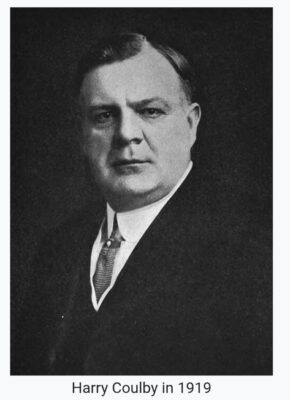
Kenneth Allen Scott was born in 1891 to a wealthy family in Cleveland, Ohio. He was the only child of his father’s second marriage. At age 48, Dr. Xenophon Scott was a notable Cleveland surgeon when he married May Allen, age 31, but the marriage ended in divorce a few years after Ken was born. In 1909, the same year Ken graduated from high school, May Allen Scott married Harry Coulby, a Cleveland man. Ken then attended MIT, where he graduated with a degree in Civil Engineering in 1913.
Ken moved to Duluth in 1913, fresh out of college. Scott’s stepfather, Harry or H.H. Coulby, was an extremely wealthy Great Lakes shipping tycoon. Coulby was married twice and had no children of his own, making Ken his only stepson. Coulby is widely regarded as the most influential figure in the history of Great Lakes shipping and was even described in one newspaper as the “Czar of the Great Lakes.” By 1901, Coulby directed the largest steamship fleets on the Great Lakes, including the Pickands Mather Steamship fleet, the Interlake Steamship fleet, and was president of the Pittsburgh Steamship Company of Duluth, a subsidiary of U.S. Steel. Ken Scott entered the shipping industry as his stepfather’s protégé. Coulby aligned Ken Scott with an old friend, George Ashley (G.A.) Tomlinson, regarded as “the King of the Great Lakes.”
Upon arriving in Duluth in 1913, Ken was immediately elected to the Duluth Board of Trade to conduct grain commission business under the vessel agency name K.A. Scott and Company. While Scott was already wealthy when he arrived in Duluth, he quickly expanded his financial gains as a representative for the various G.A. Tomlinson offices and subsidiary companies in Winnipeg, Duluth, Cleveland, and other non-Tomlinson fleets that Scott’s company managed. K.A. Scott and Company offices mirrored Tomlinson’s offices in the aforementioned cities. G.A. Tomlinson’s right-hand man in Duluth, David (D.W.) Stocking was chosen to manage Ken’s new company. Stocking had risen through the ranks of the G.A. Tomlinson Company, from bookkeeper to manager to vessel broker and ship owner. Stocking, like Tomlinson, made his fortune off the grain trade. In 1913, 22-year-old Scott hired 42-year-old Stocking, who was looking to buy land near the St. Croix River in Douglas County, Wisconsin.
In 1914, David Stocking purchased forty acres along the St. Croix River and built his rustic lodge there in 1915. Young Ken soon followed his mentor’s lead as their work lives paralleled their recreational interests. Soon after Stocking bought his land, Ken bought up all the land surrounding Stocking’s forty acres and hired the same construction company as Stocking used to build his rustic lodge. While Stocking’s cabin, which we now refer to as the Gibson cabin, had an outhouse, ice house, garage, and a boathouse upriver, Ken’s property was much larger and more elaborate.
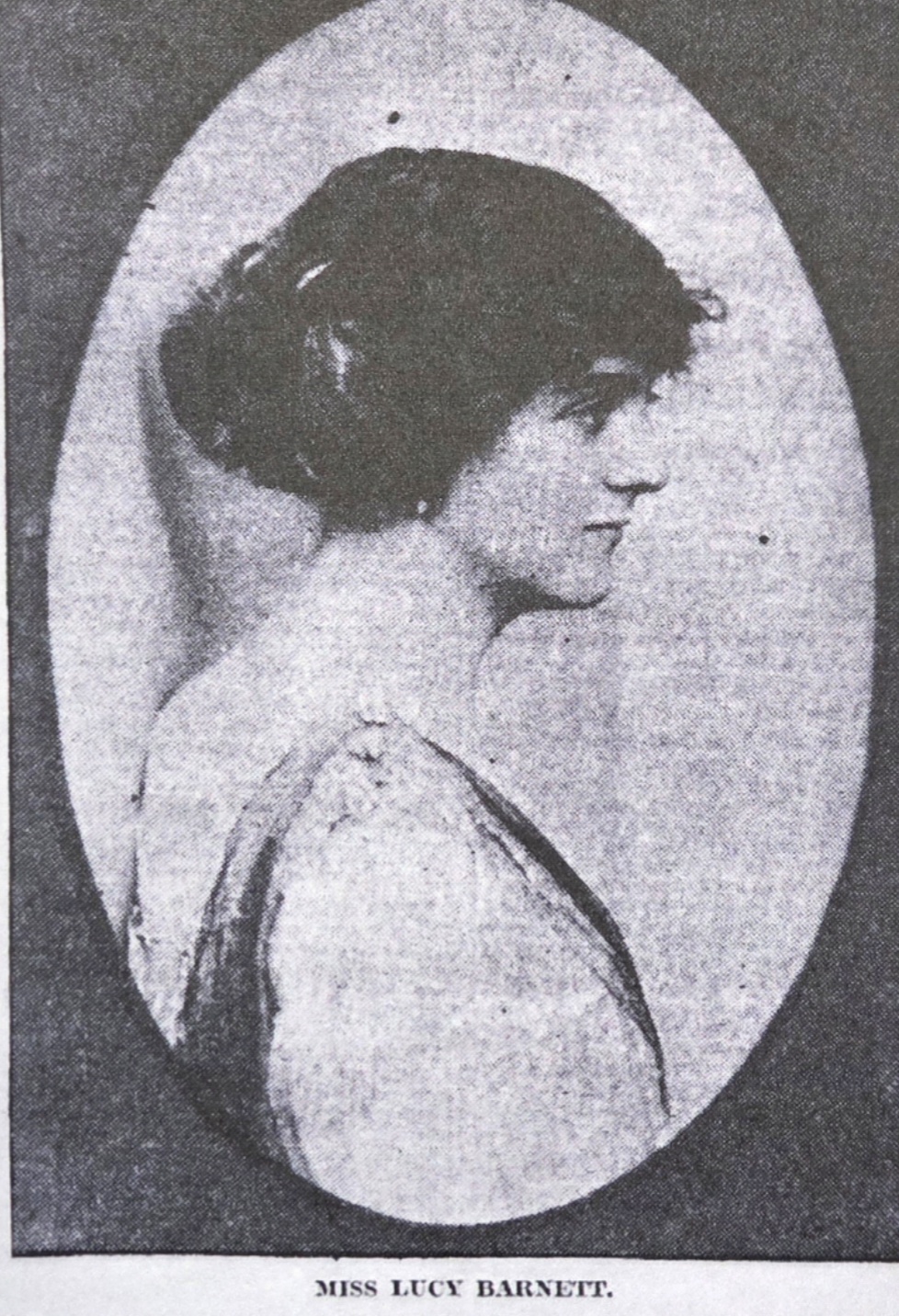
In March of 1917, Ken married Lucy Barnett in Duluth. Lucy Barnett was described as a very popular, prominent Duluth socialite whose father, Lewis Barnett, was a mining company executive. According to the Duluth Herald on March 6, 1917, Mr. and Mrs. Harry Coulby arrived from California for the wedding and stayed at G.A. Tomlinson’s residence. Ken’s gift to Lucy was an exquisite bracelet made from platinum and diamonds. After the wedding, Ken and Lucy moved to an apartment in Winnipeg to represent Tomlinson’s interests there.
Ken and Lucy spent several winters traveling with his mother and H.H. Coulby, during which time they visited California, South America, Europe, Japan, and China. While they never had children and later divorced, they apparently maintained a civil connection; when he died, he bequeathed a percentage of his vast estate and all of his family’s jewelry to Lucy. Ken married a second time, to Amy Bowman, but little information has been found about that marriage, other than they did not have children.
Scott sold his shipping interests and retired in 1944 at the age of 53. There may have been other factors in Scott’s decision to retire, as he had cancer or a health issue that involved a partial removal of his jaw. He could only drink shakes after that and always had a nurse with him for the last 30 years of his life. According to Bob Finstad, who worked at the Scott lodge, a new nurse accompanied Ken every year when he came up from Alabama to Gordon until the last ten years of his life, when Mary E. Homburg became his nurse. Mary and Ken were close, and he left her his 60-acre property in Alabama, his real estate in Ohio, all of the furnishings, his vehicles, and a percentage of his estate.
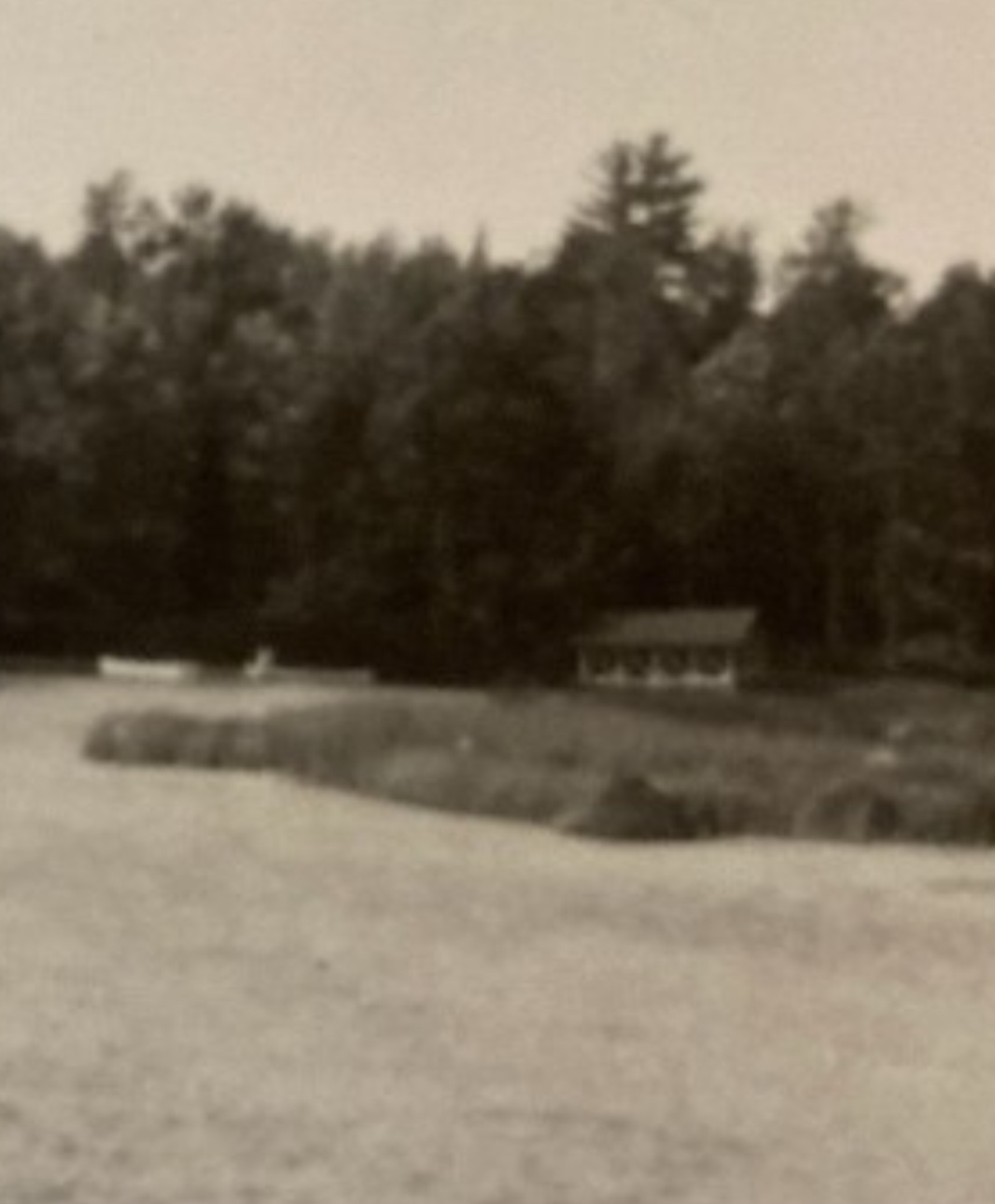
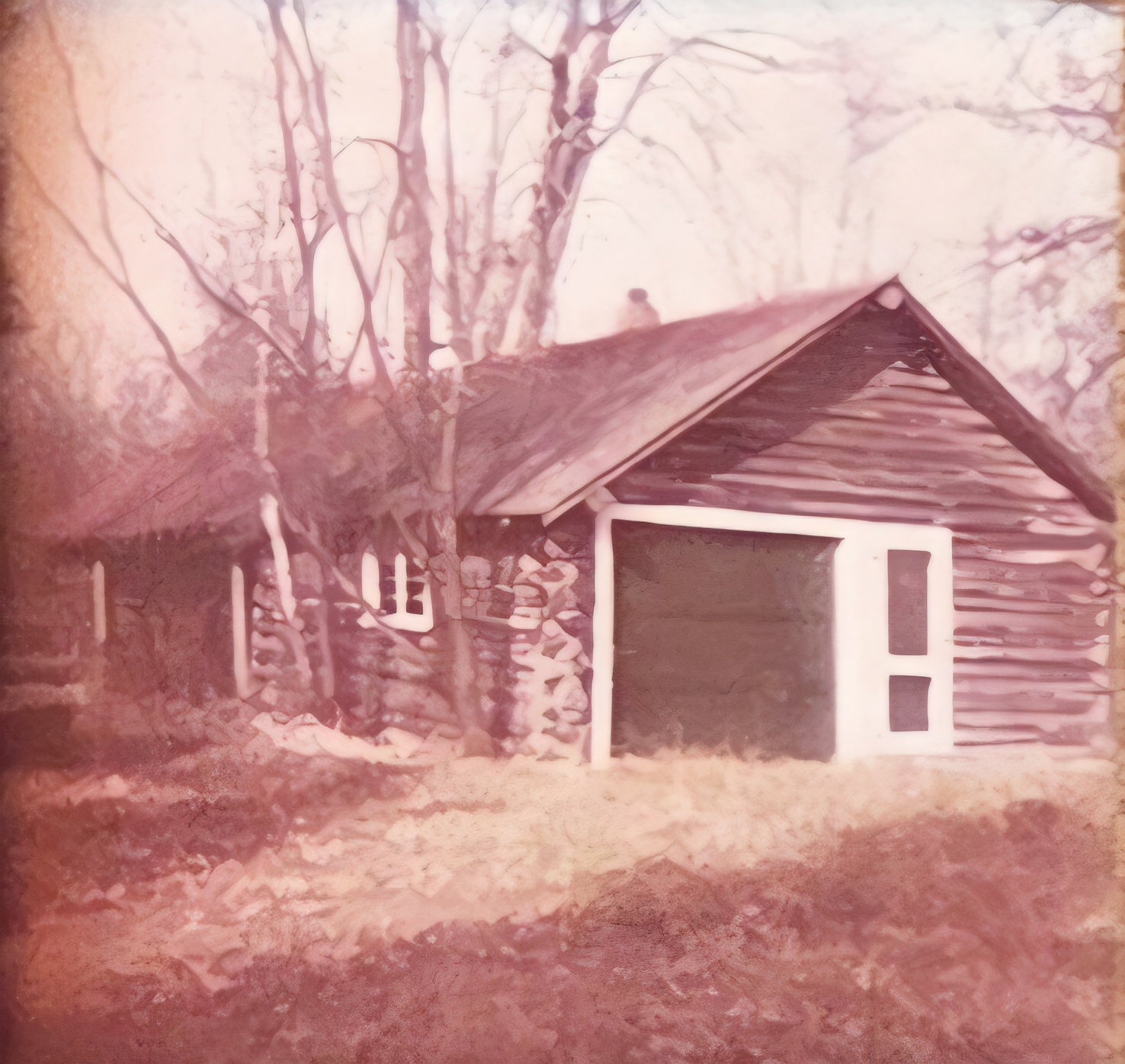
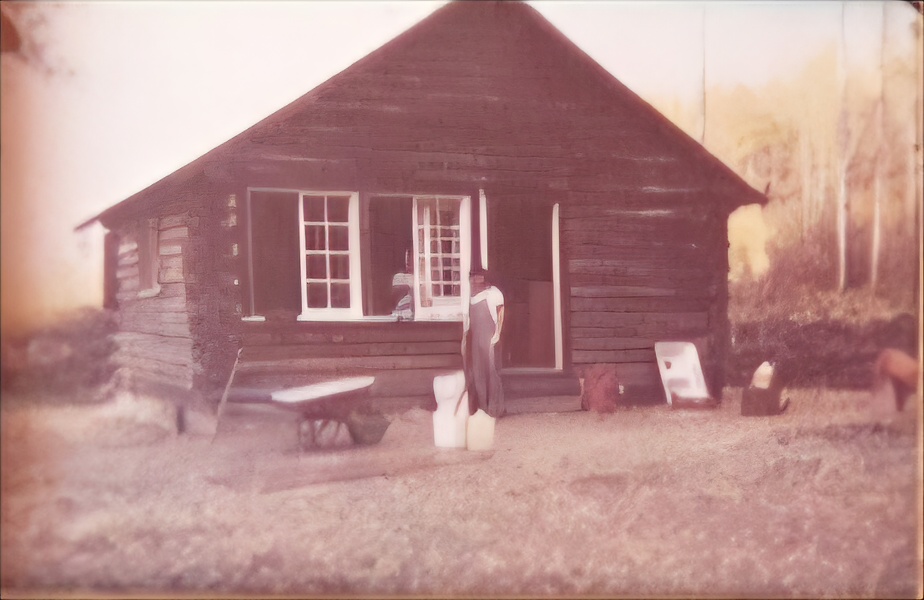
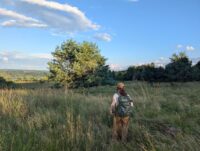
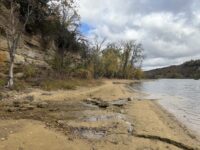
The primitive campsite along the St. Croix River near Mail Road today was the site of the Ken Scott lodge. The lodge was beautifully situated facing the St. Croix River near the confluence of Arnold Creek and the Moose River, all of which had trout back then. Built between 1920 and 1925, Ken’s lodge was larger than the Gibson cabin. The ceiling opened to the second floor, possibly with a loft around the perimeter, and the main lodge had a side wing addition with several bedrooms. The property had an outhouse, pumphouse, large open-air boathouse with a giant dock, a second dock in front of the cabin, and two large outbuildings across from the two-track driveway. The first outbuilding was an 18-foot-by-18-foot garage with a dirt floor on one side for horses in the early days and a wood floor on the other, where, in later years, Scott kept an old Mercury station wagon. The second outbuilding was 22 feet by 48 feet on the crest of land between the St. Croix and Moose Rivers, with doors facing both directions to access both rivers. The building’s floor was partitioned into a workman’s quarters with a wood floor and a shower on one half, and a concrete floor for a workshop and storage on the other half.
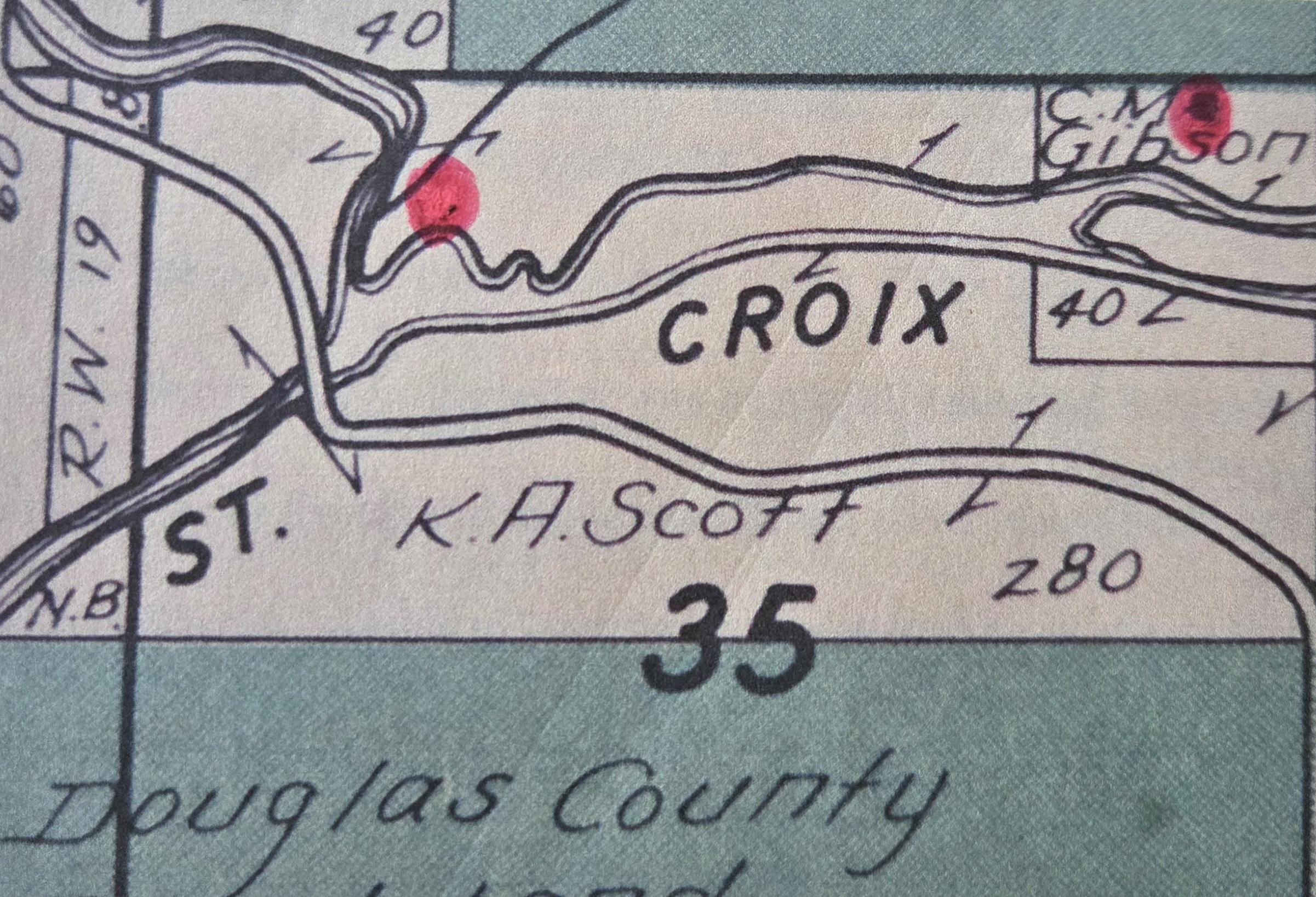
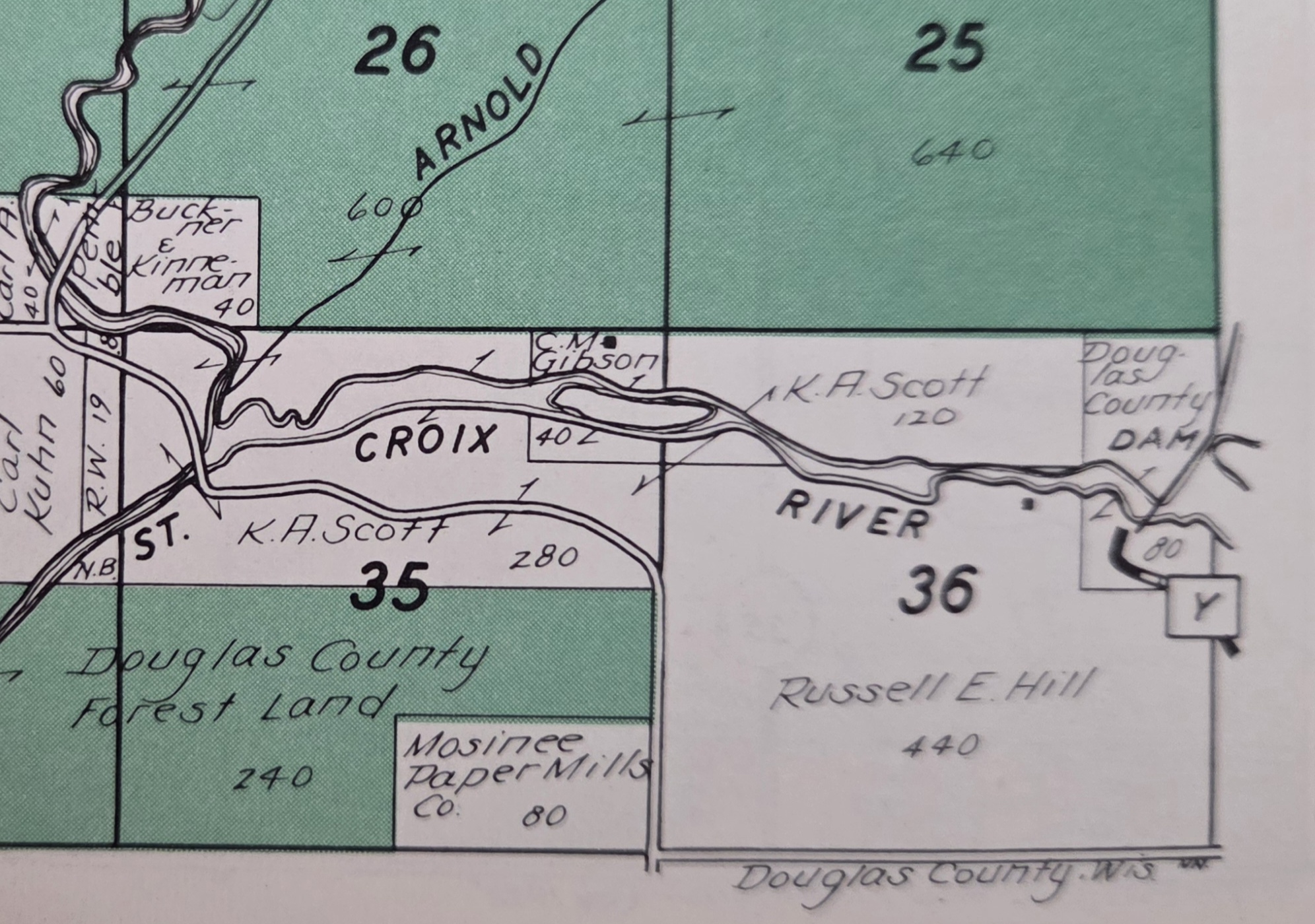
Scott bought all the land on the north side of the St. Croix River from West Mail Road for two miles, up to the Gordon Dam. Scott granted the Stockings/ Gibsons an easement across his land so they could drive to their cabin, which was otherwise surrounded by Scott’s land. Scott also bought all the land on the south side of the St. Croix River from Mail Road up to the Russell Hill property near the Gordon Dam, including almost everything on Hill Road, plus Round Lake and all the land around it, and the land around half of the next lake, known today as Scott Lake. Ultimately, he owned over 1,000 acres in the St. Croix River valley. Scott loved his lodge on the St. Croix, so even though he owned the Round Lake rustic lodge, which was bigger and on a pristine lake, he had guests, workers, and caretakers stay at Round Lake while he and his close friends stayed in his lodge.
Once electricity became available along West Mail Road, Scott installed electricity and indoor plumbing. Bob and Jack Finstad, who mowed the lawn and did grounds maintenance there in the late 1960s, said it would take several hours to mow from the St. Croix River to the Moose River up to Arnold Creek. What is today a dense forest of balsams and scrub trees was, for most of the 20th century, a grassy, park-like area with widely scattered mature trees, as I remember from the 1980s.
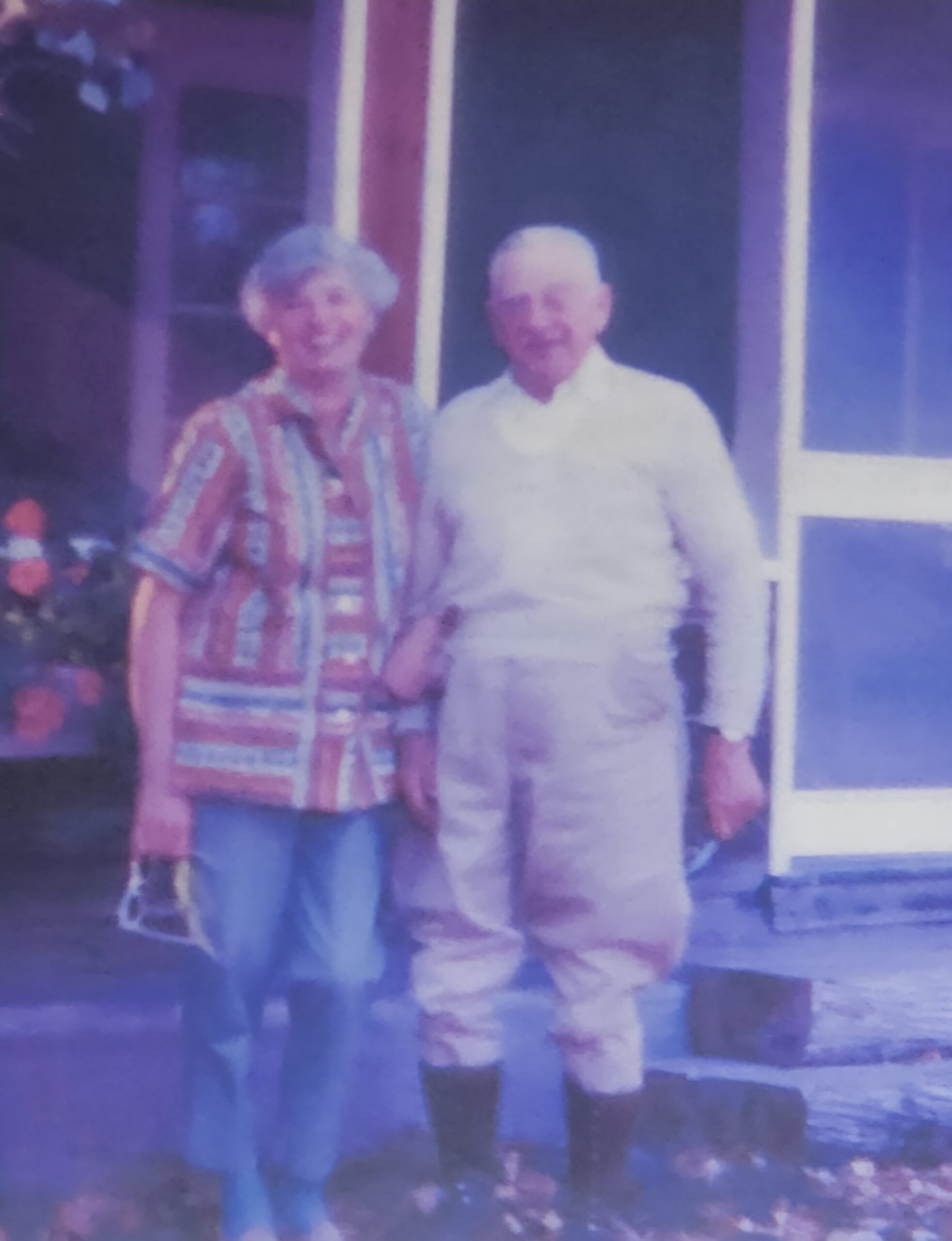
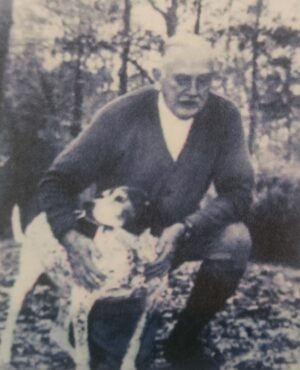
Ken Scott in the 1950s.
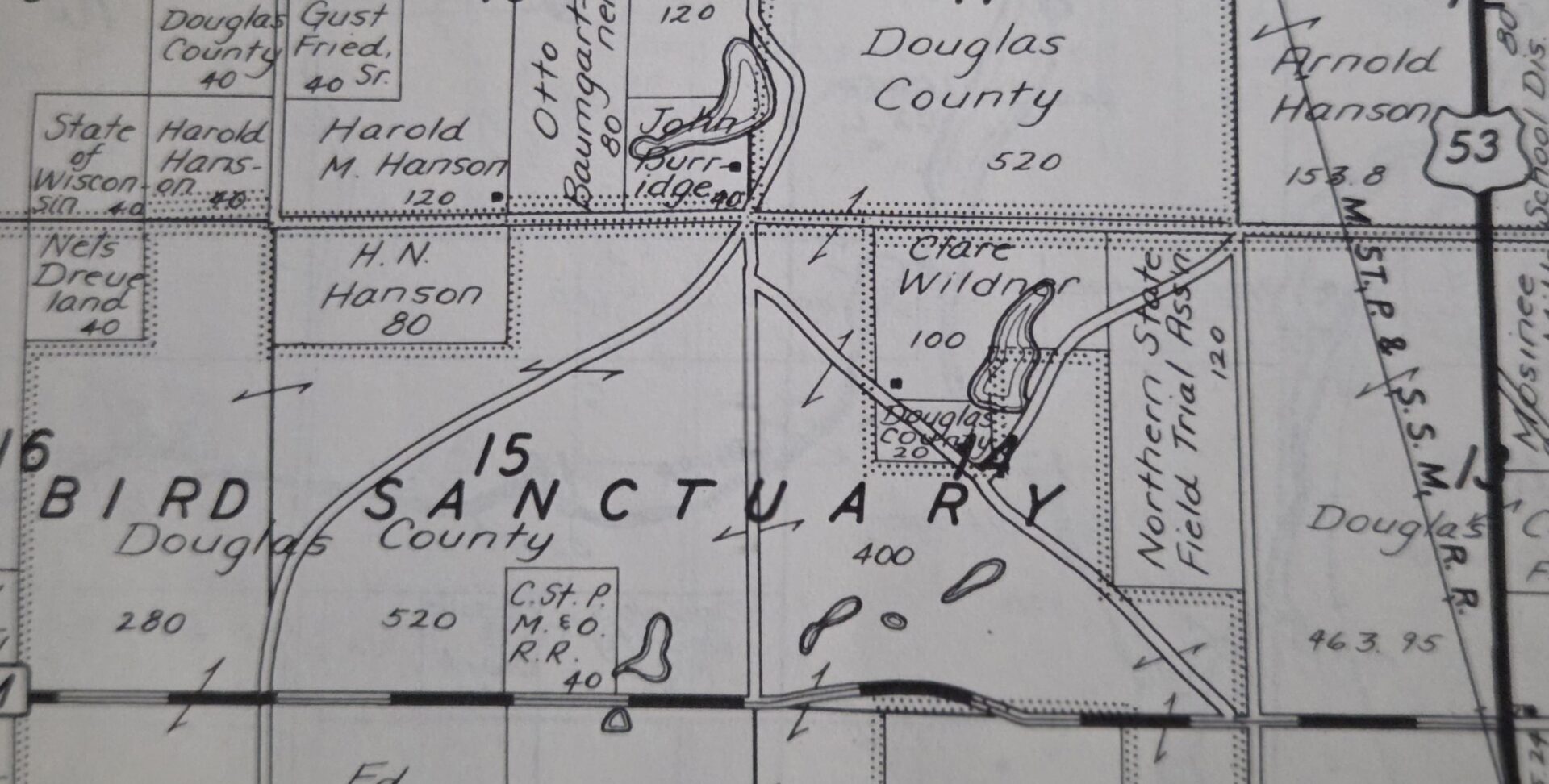
In addition to traveling the world, selling ships and grain, trout fishing, and spending his summers on the St. Croix, Ken loved dogs, and specifically, German Short-haired Pointers. Scott’s love of dogs led to his involvement with the dog trials in the Bird Sanctuary. The Northern States Field Dog Trials were competitive field trials for gun dogs, who were judged on tracking, pointing, and flushing game birds. Sportsmen would show their dogs and test their hunting prowess. In the sand barrens just north of Gordon, there is a long history of dog trials in a place called the Bird Sanctuary. According to the Wisconsin DNR website, “In 1925, the Northern States Amateur Field Trial Association (NSAFTA) conducted its first dog trial on land that would become the Douglas County Bird Sanctuary in 1935.” The organization had its first U.S. Chicken Champion Dog Trial in 1937, which continued into the early 2000s. In 1947, the Wisconsin Conservation Commission established the Douglas County Grouse Management Area in the Bird Sanctuary for research and to create habitat for sharp-tailed grouse, prairie chickens, and bobwhite quail.
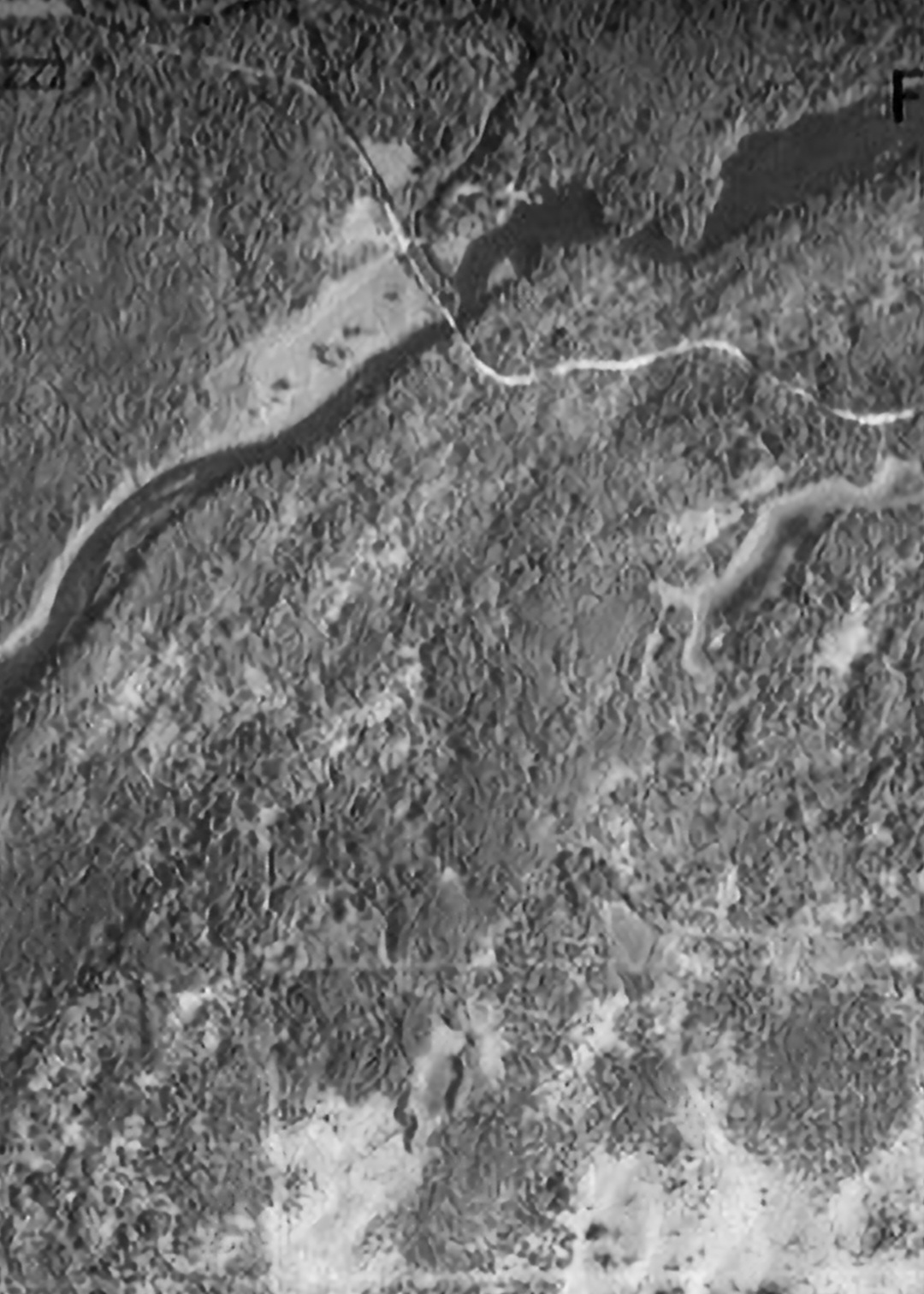
1956 Douglas County Platbook
Scott was involved in hunting dog trials in Alabama and Wisconsin. He bred German Short-haired Pointers at his 60-acre estate in Alabama, competed in the Maytag Plantation field trials in Union Springs, Alabama, then brought the dogs to Wisconsin in the summer for the Northern States Amateur field trials in the Bird Sanctuary between Gordon and Solon Springs. In Wisconsin, Ken was on the NSAFTA board of directors in Solon Springs from 1954 to 1958.
According to Mr. Scott’s obituary in the Cleveland newspaper, The Plain Dealer, “Kenneth Allen Scott constantly took in stray dogs, and when one of his pets had an enlarged heart, Mr. Scott financed the Scott Research Foundation at Auburn University in Alabama.” The Scott Research Center is now the Scott-Ritchey Research Center. Mr. Scott also used his estate to create the Kenneth A. Scott Charitable Trust in Cleveland, Ohio.
The Kenneth A. Scott Charitable Trust is a private foundation focused on preventing cruelty to animals and promoting the humane treatment of animals, particularly companion animals such as cats and dogs, and other species of animals commonly kept as household pets. The Foundation also supports efforts to protect the well-being of urban-suburban native wildlife and working animals. It extends in perpetuity the generosity toward animals in need shown by Kenneth Allen Scott during his lifetime, assisting those who care for them today.
The website says Scott’s passion was showing and rescuing dogs. As of 2025, the Trust has distributed over 23 million dollars in grants in the Great Lakes Region. The last thing Scott did before leaving his estate on the St. Croix was to take the headstones from his pet graveyard so they wouldn’t be found, disturbed, or vandalized. When Mr. Scott died in 1977, he had 10 pet dogs at his estate in Ethelsville, Alabama.
In February of 2025, I had the privilege of interviewing Bob and Jack Finstad, the last caretakers of the Scott lodge. Local Douglas County history guru Brian Finstad told me his cousins worked for Ken Scott as teenagers, from 1969 to 1973. Bob and Jack Finstad were born in Gordon, Wisconsin, and their father, Donald Finstad, was the local mail carrier and a real estate investor. As the mailman, Finstad knew everybody and developed a side business as a caretaker for several old log lodges in the area. This also gave his kids an avenue to earn money doing lawn work and grounds maintenance at the Scott cabins on the St. Croix River and at Round Lake.
According to Bob and Jack, Ken always had two cars: a station wagon and a Cadillac. Jack said at the beginning of every summer, Ken would arrive from Alabama in his Cadillac with his dogs, pulling a small trailer. Then he’d get the station wagon he kept in the log garage running for the summer, perhaps to haul his dogs around. The brothers describe Mr. Scott as a nice man who didn’t speak much; he was medium height and build, very formal, and he often wore a 3-piece pinstripe suit. While they never fished with him, they knew Scott liked to fish, especially for trout, and occasionally they would see him in a flannel shirt with a fishing vest, a large hat, khakis, and hiking boots. Every day at 4 p.m. was Happy Hour, and Ken stopped whatever he was doing for gin martinis. The Gibson family had multiple stories of Scott walking a mile down the two-track driveway to the Gibson cabin for Happy Hour on the Gibsons’ screened porch overlooking the river, where Ken would tell them they got the better view.
Because of the federal 1968 Wild and Scenic Rivers Act, Scott was forced to sell his property on the river. In 1973, after more than fifty years on the St. Croix River, Scott left his cabin for the final time. It must have been bittersweet saying goodbye to the place where he had so many memories, while also knowing his land would be protected as a wilderness in perpetuity, even if his footprint would be erased. Before Scott left Gordon the final time, he gave Bob and Jack some of his ephemera and sold Bob his old Mercury station wagon.
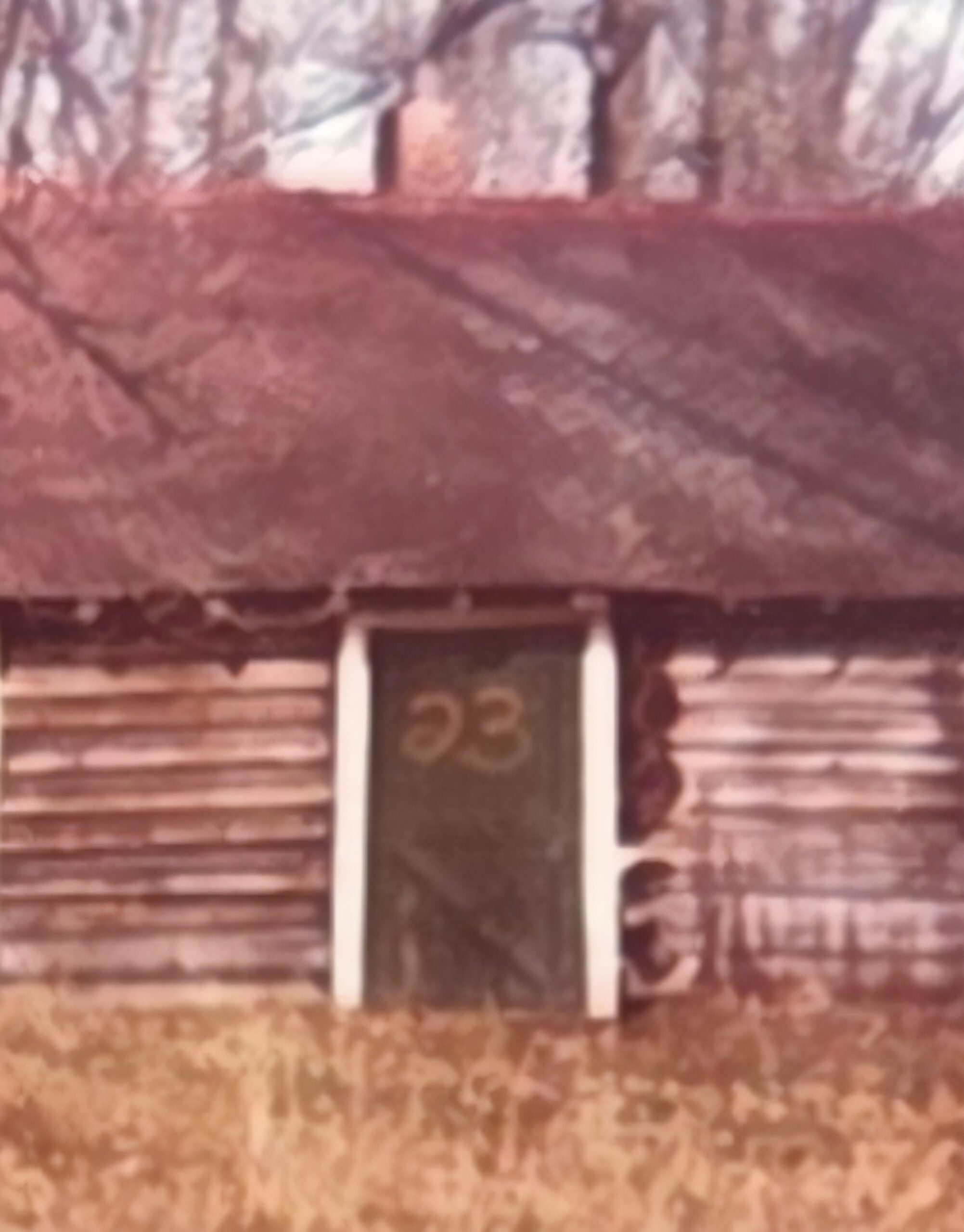
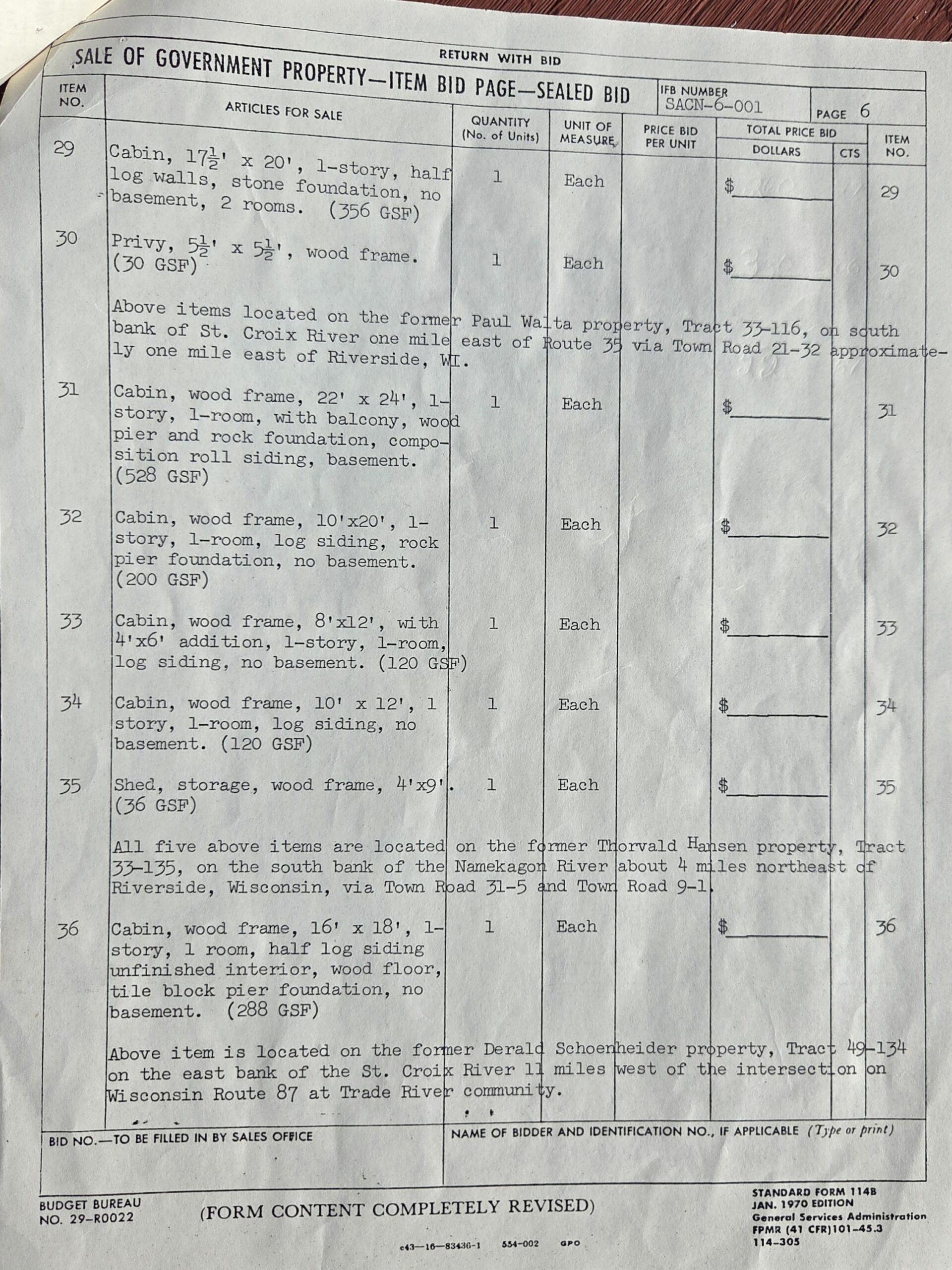
The large outbuilding is listed as number 23. The 1975 bid sheet is on the right.
In the fall of 1975, a list of properties recently purchased by the federal government in the St. Croix National Scenic Riverway was published in the newspapers, stating that one could obtain a government bid report listing the addresses of the properties where the buildings were for sale by auction. The October 1975 auction listed 31 properties with buildings in the Riverway, and all structures were for sale: outhouses, screenhouses, cabins, sheds, garages, houses, and guest cottages. All one had to do was visit the properties to inspect the buildings, put in a sealed bid, and mail it back to the National Park Service by October 24, 1975. Lynn and Bernice Larson won the bids for Ken Scott’s outbuildings, including the 18’ x 18’ log garage, 22-by-48-foot garage/workshop, and the log outhouse. In September 2025, I had the honor of conducting an oral history interview with Sam and Kyle Larson to learn how their parents acquired the buildings and to see what they look like now. They kindly showed me the buildings, photos of the buildings in the riverway, and explained the process of moving and renovating them.
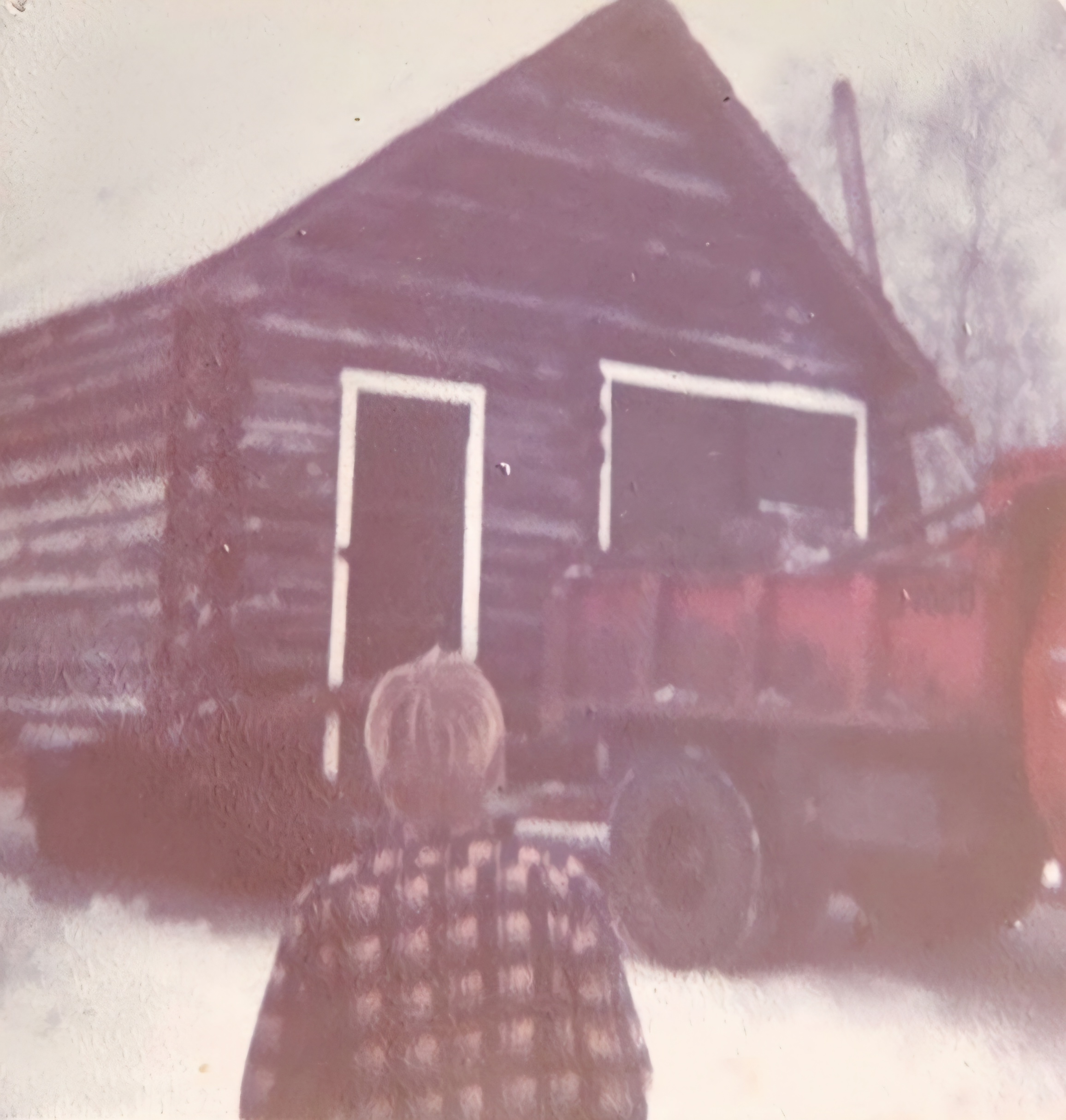
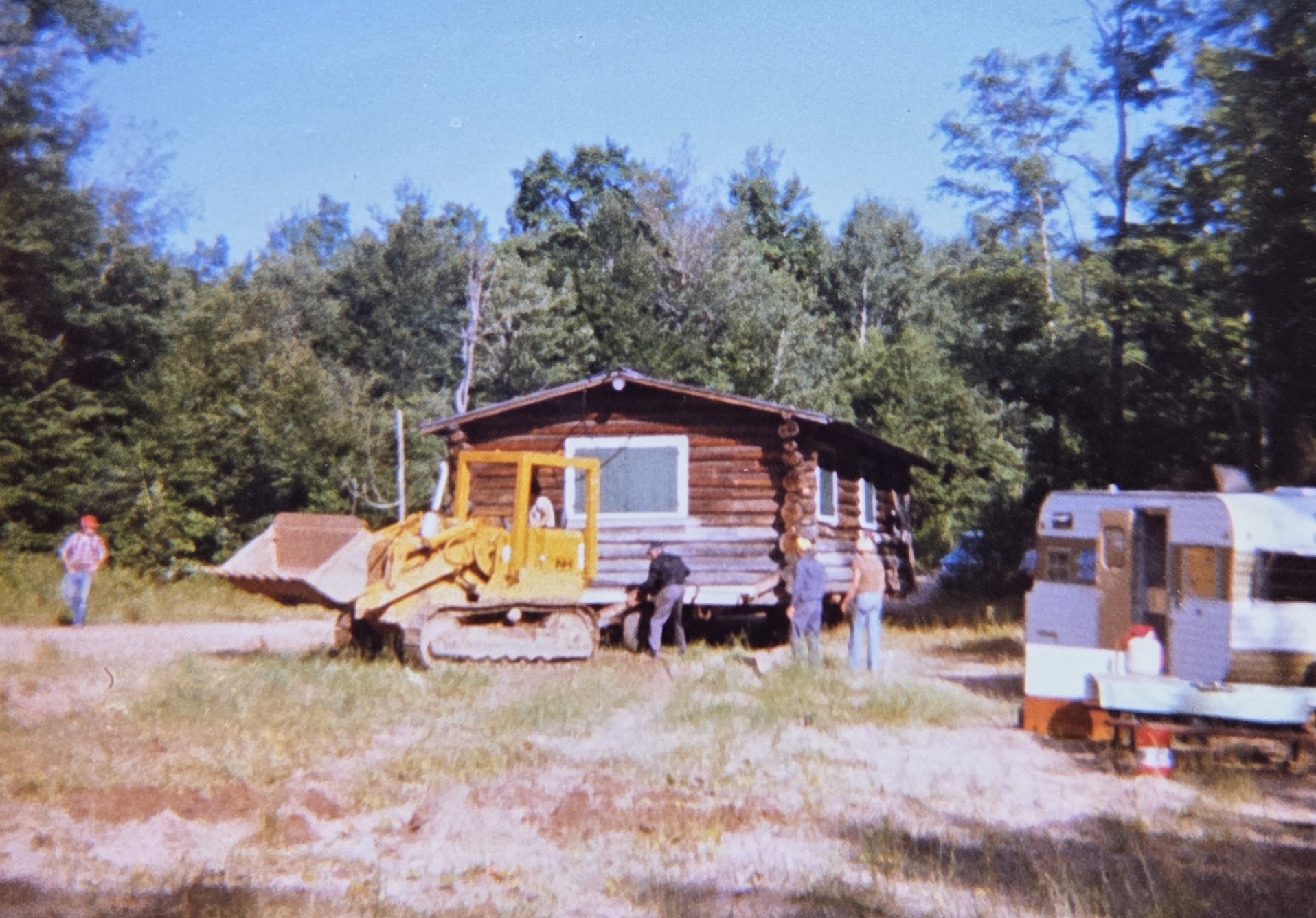
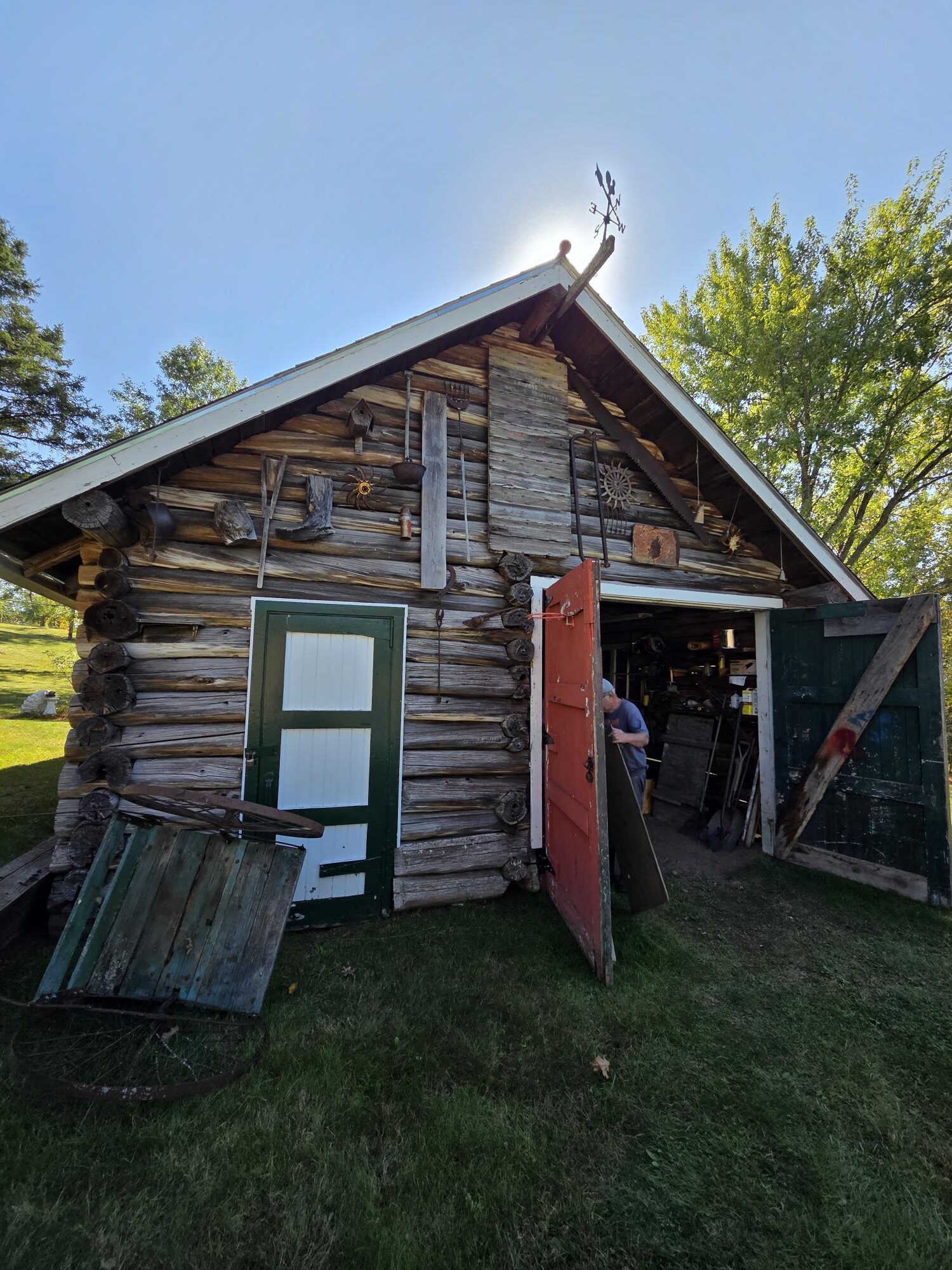
Before, during, and after the Larsons moved the garage.
After they won the bid, the Larsons had one year to move the buildings out of the riverway. With the help of their kids, including Sam and Kyle, and other friends and family, Lynn and Bernice moved each building over the Moose River bridge and dragged them 8 miles down side roads to their property in Dairyland. The Larsons also had land along the St. Croix that they had been forced to sell in the new national riverway, including a 20-acre island in the river and 12 acres on the north shore. They were allowed to retain their land outside the riverway proper, and that is where the old Scott outbuildings were placed. Once the Larsons moved the buildings, they lovingly restored them and turned the 22’ by 48’ outbuilding into a cabin, and they continued to use the 18’ by 18’ as a garage.
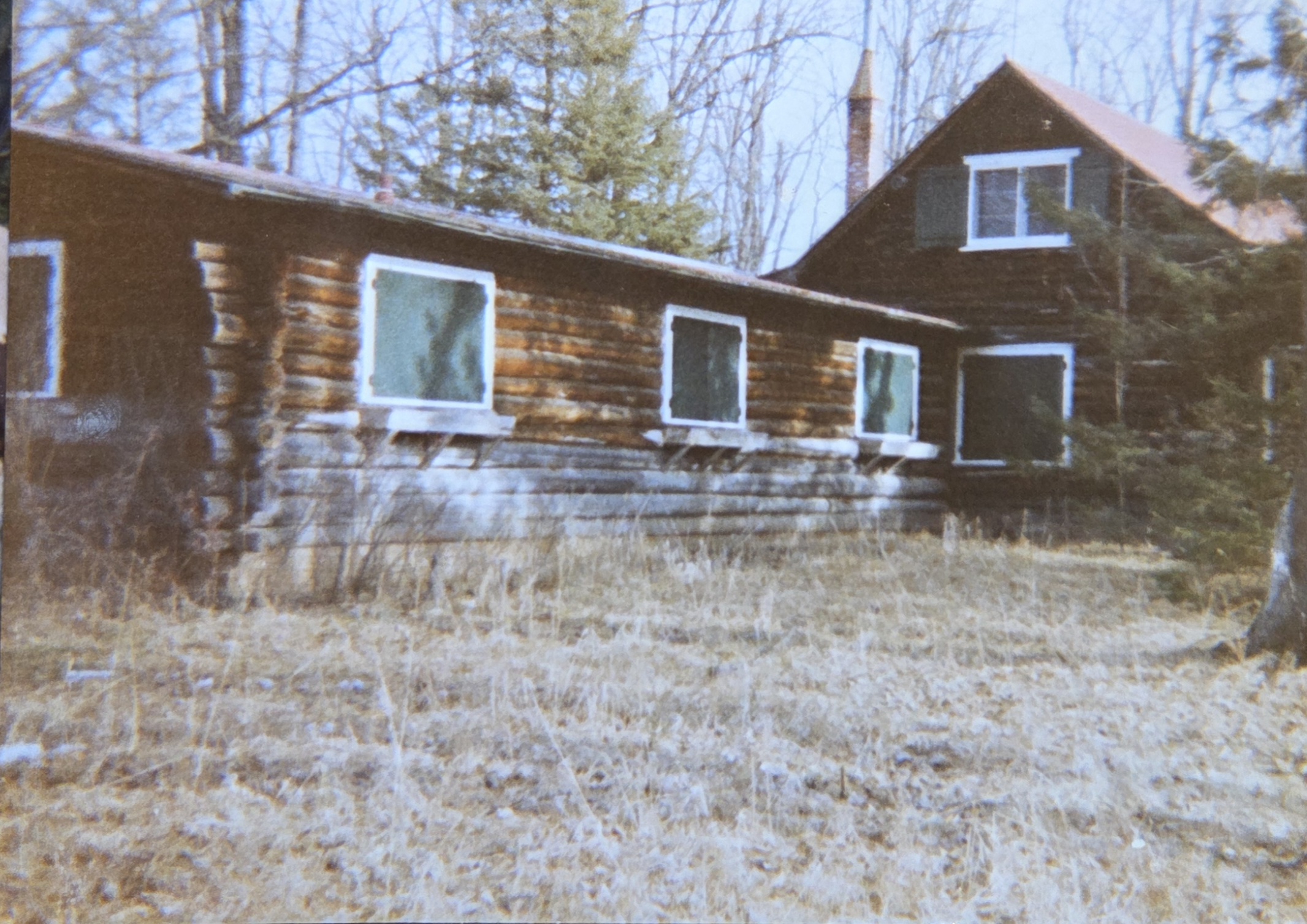
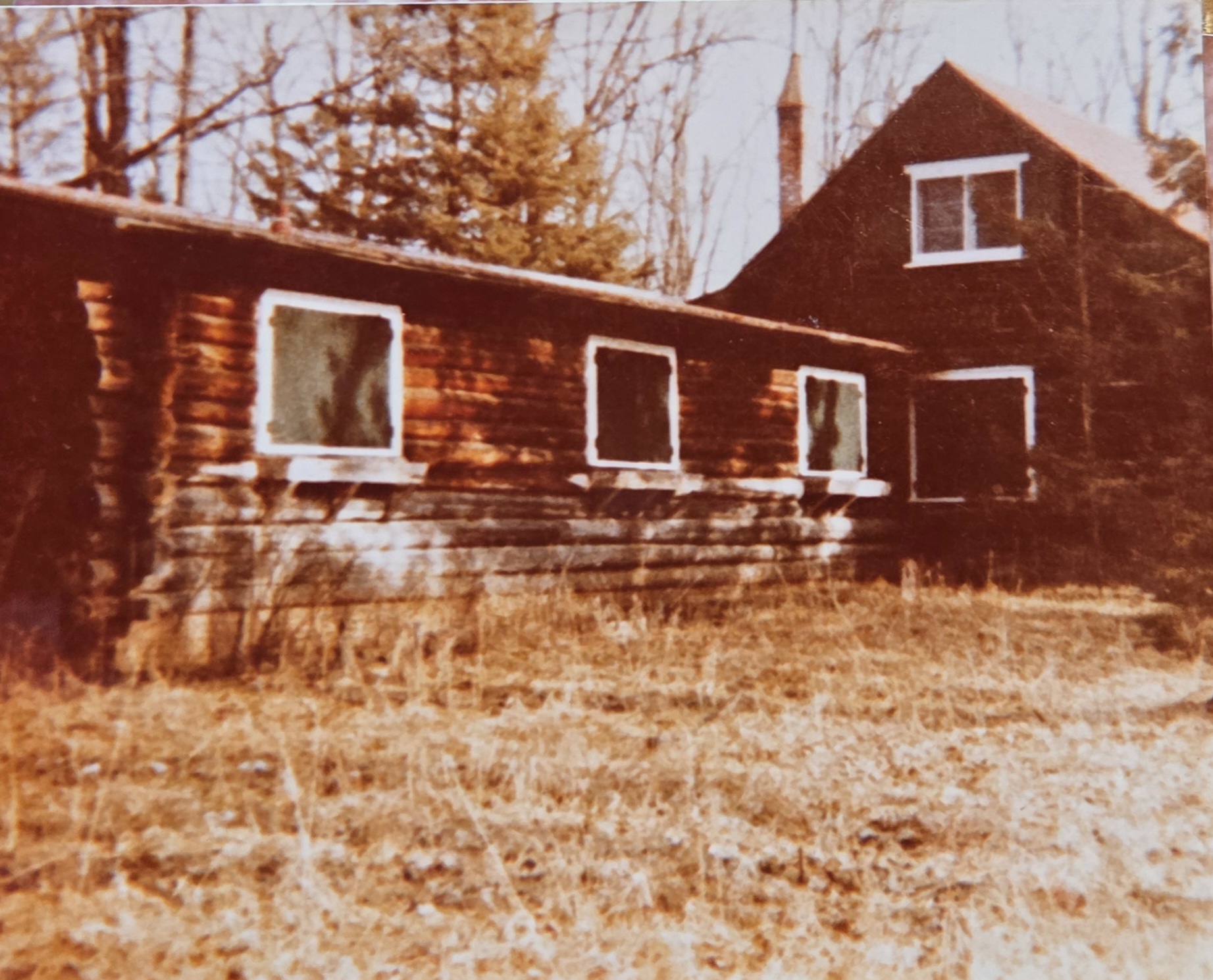
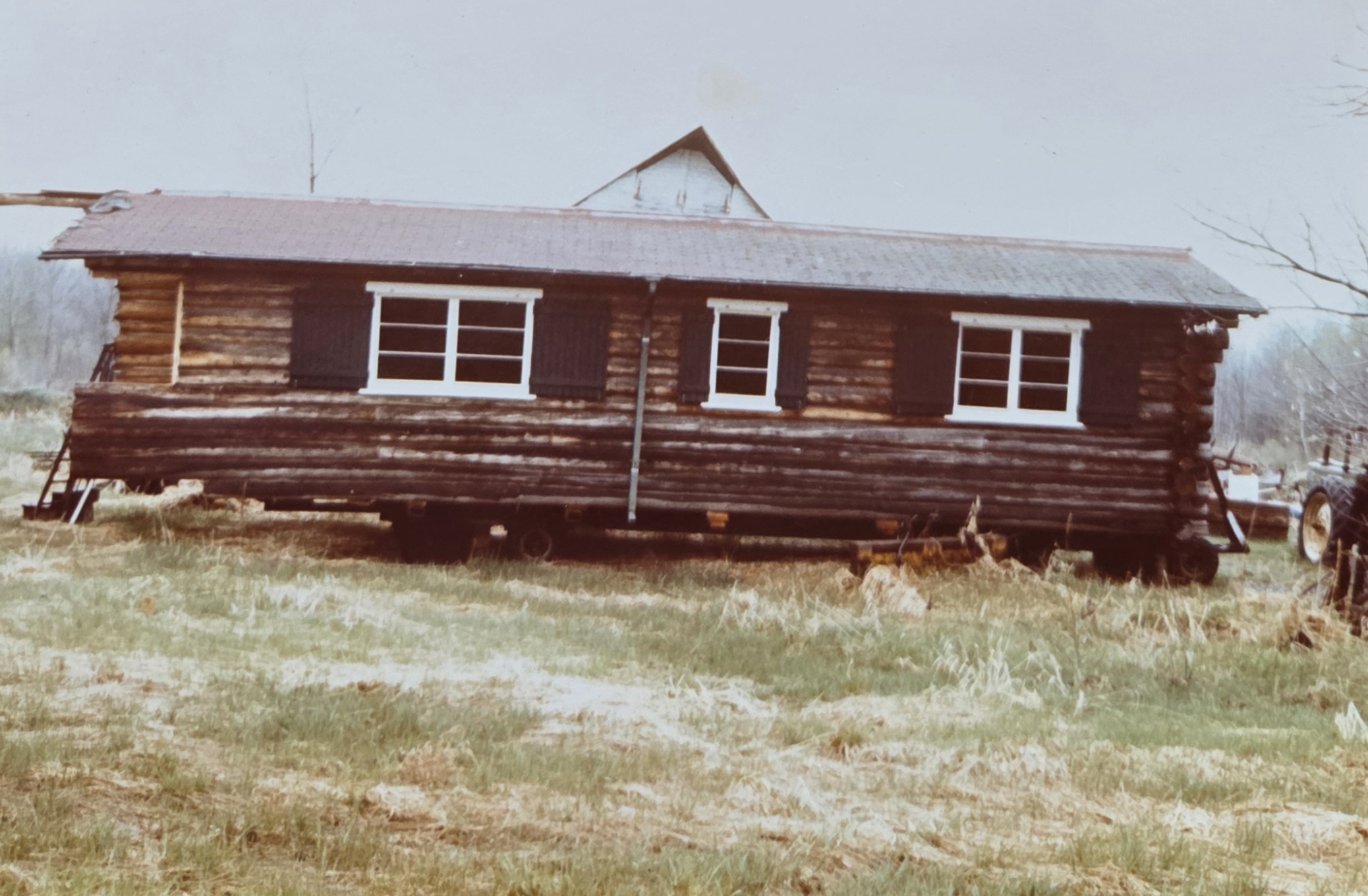
20×40 guest bedroom wing of the cabin was built in 1938. Left: Guest wing for sale in Minnesota in 1977. Right: Near Hayward in 1978. (2nd two photos are courtesy of the current owners.)
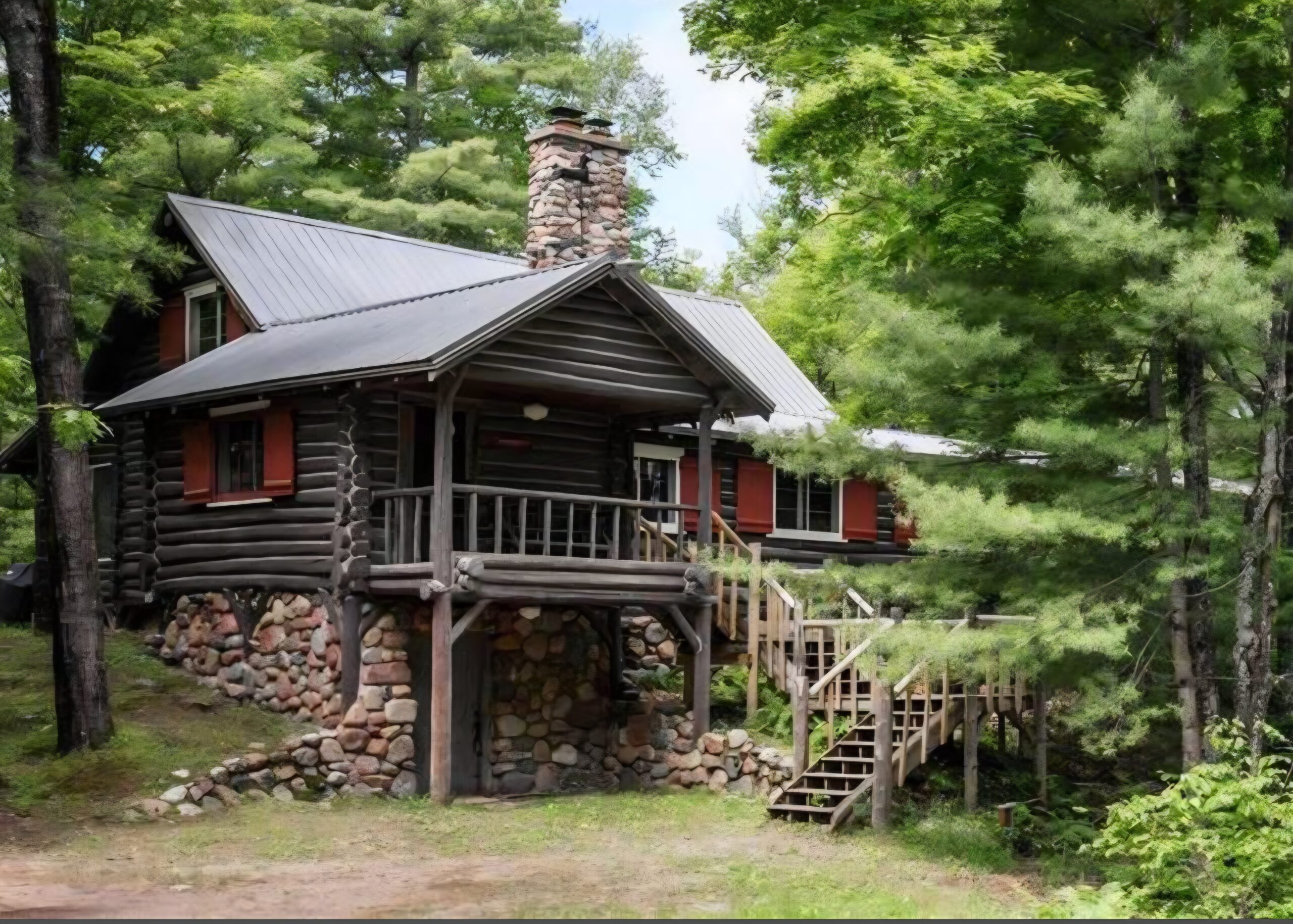
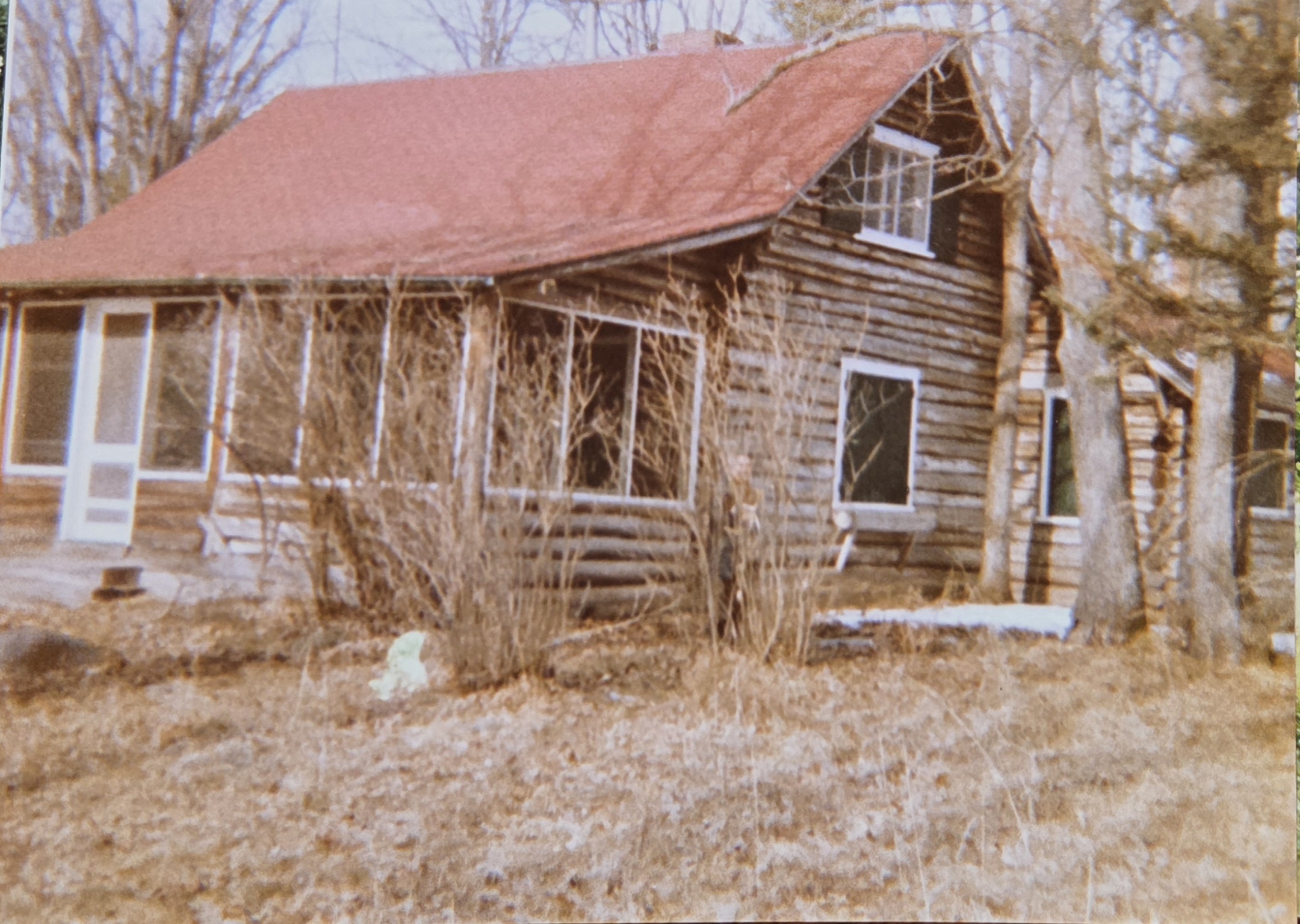
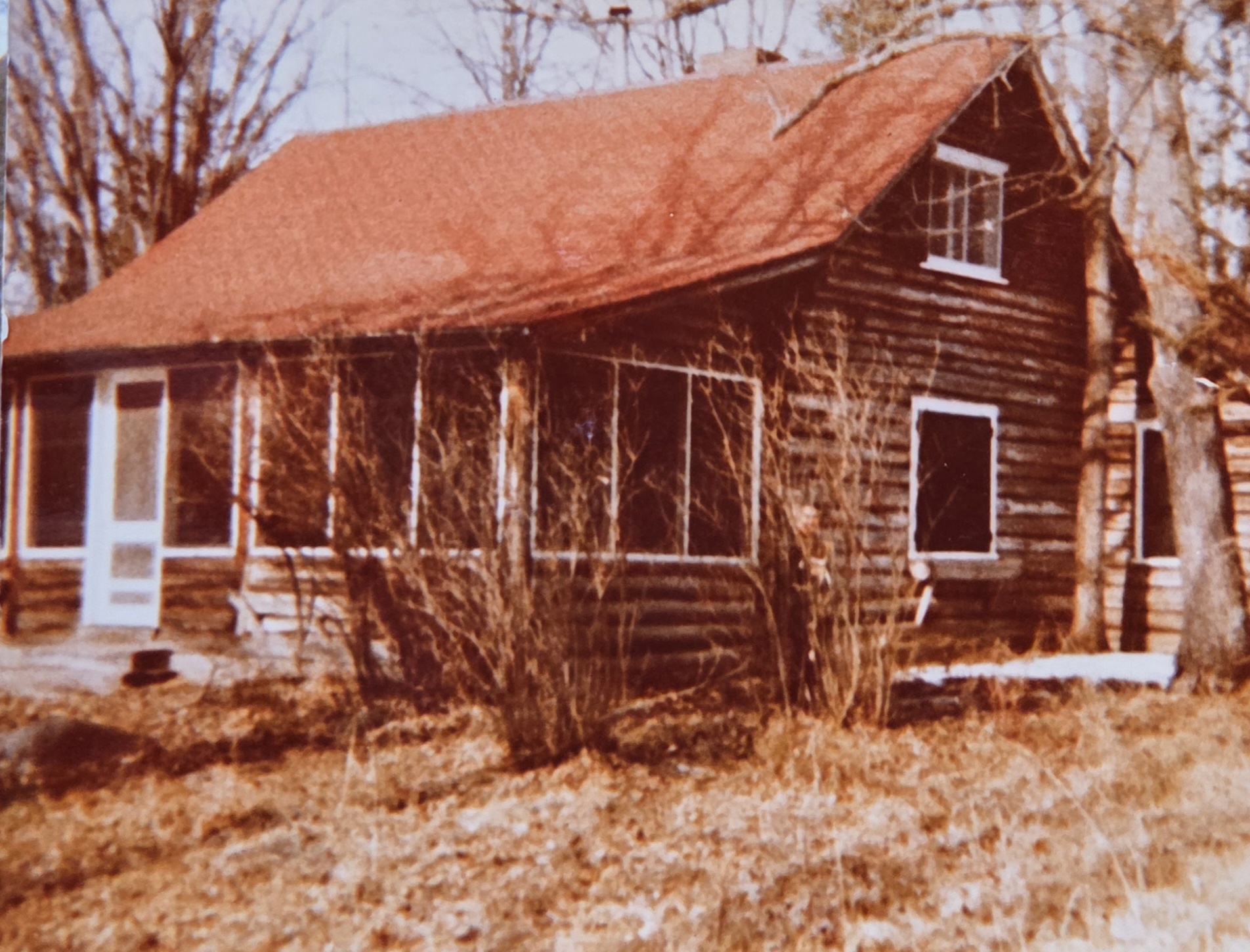
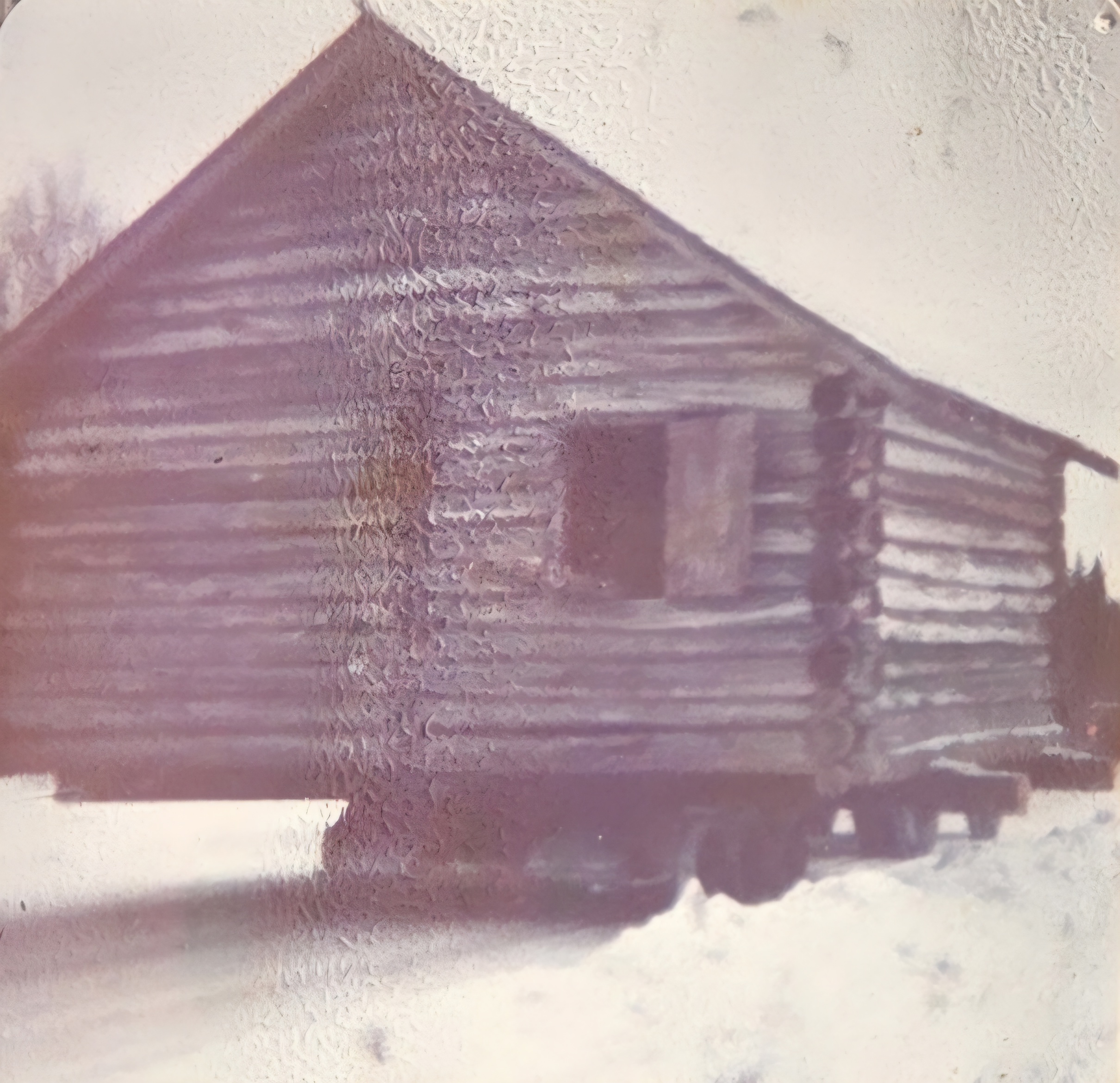
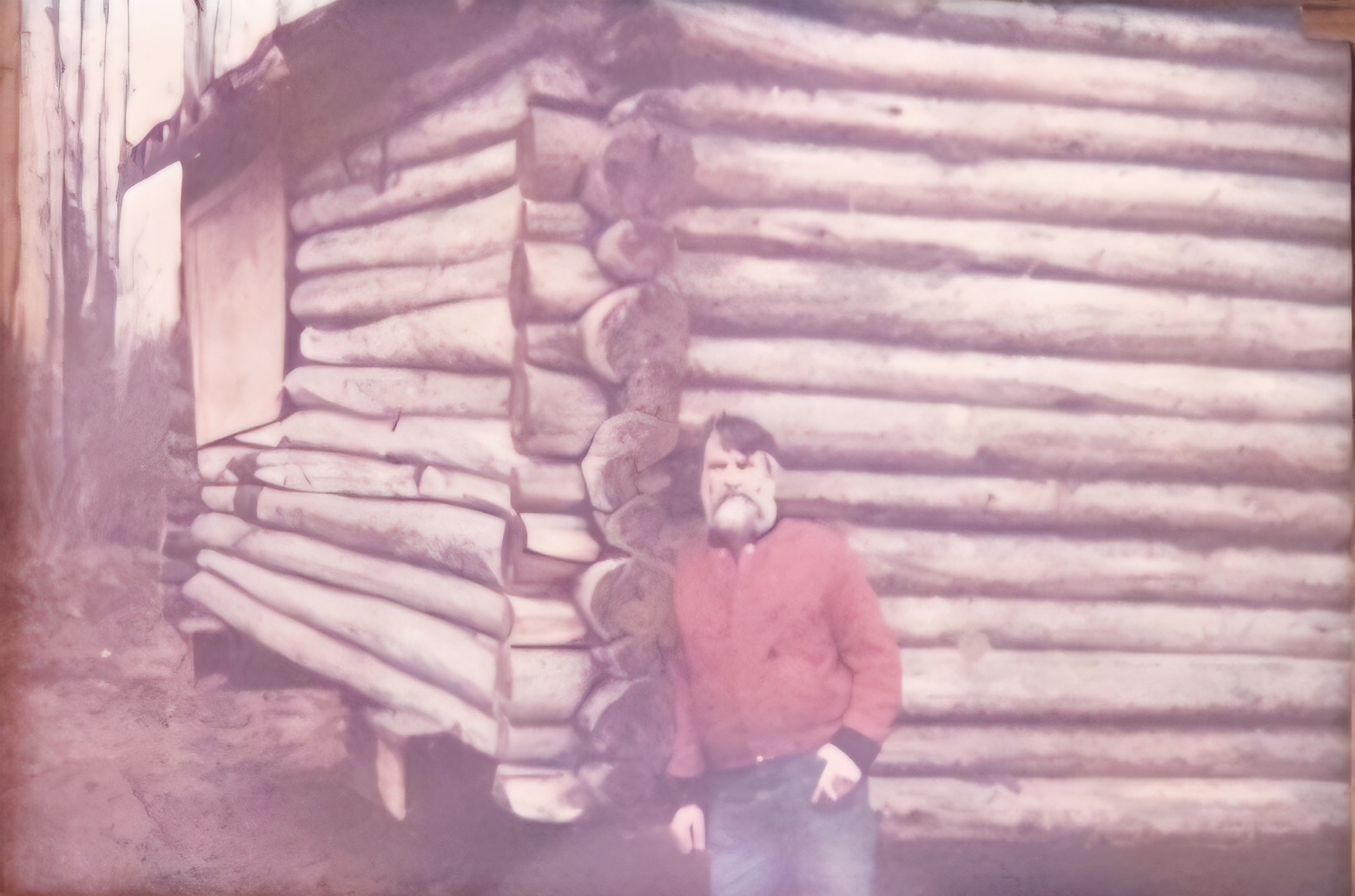
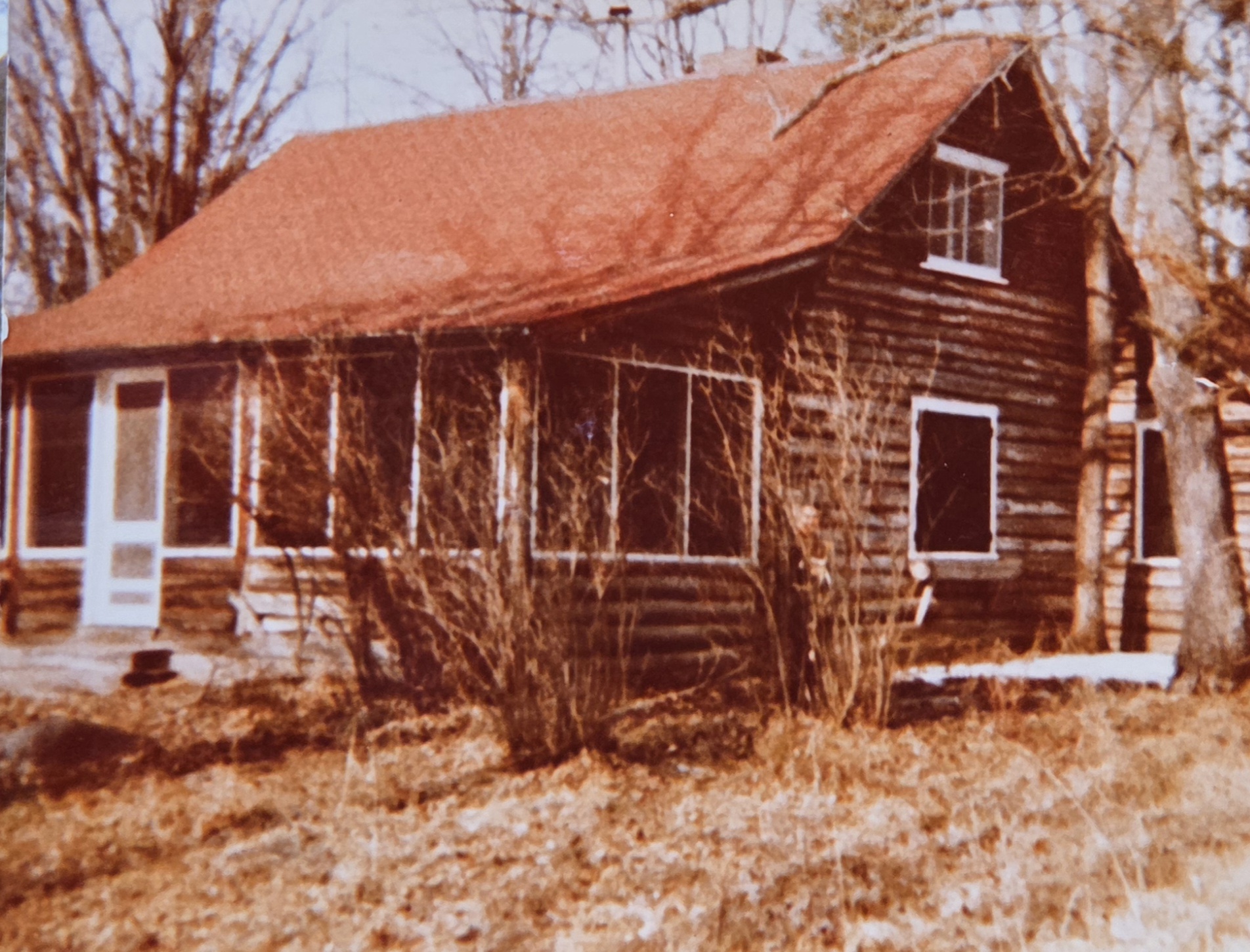
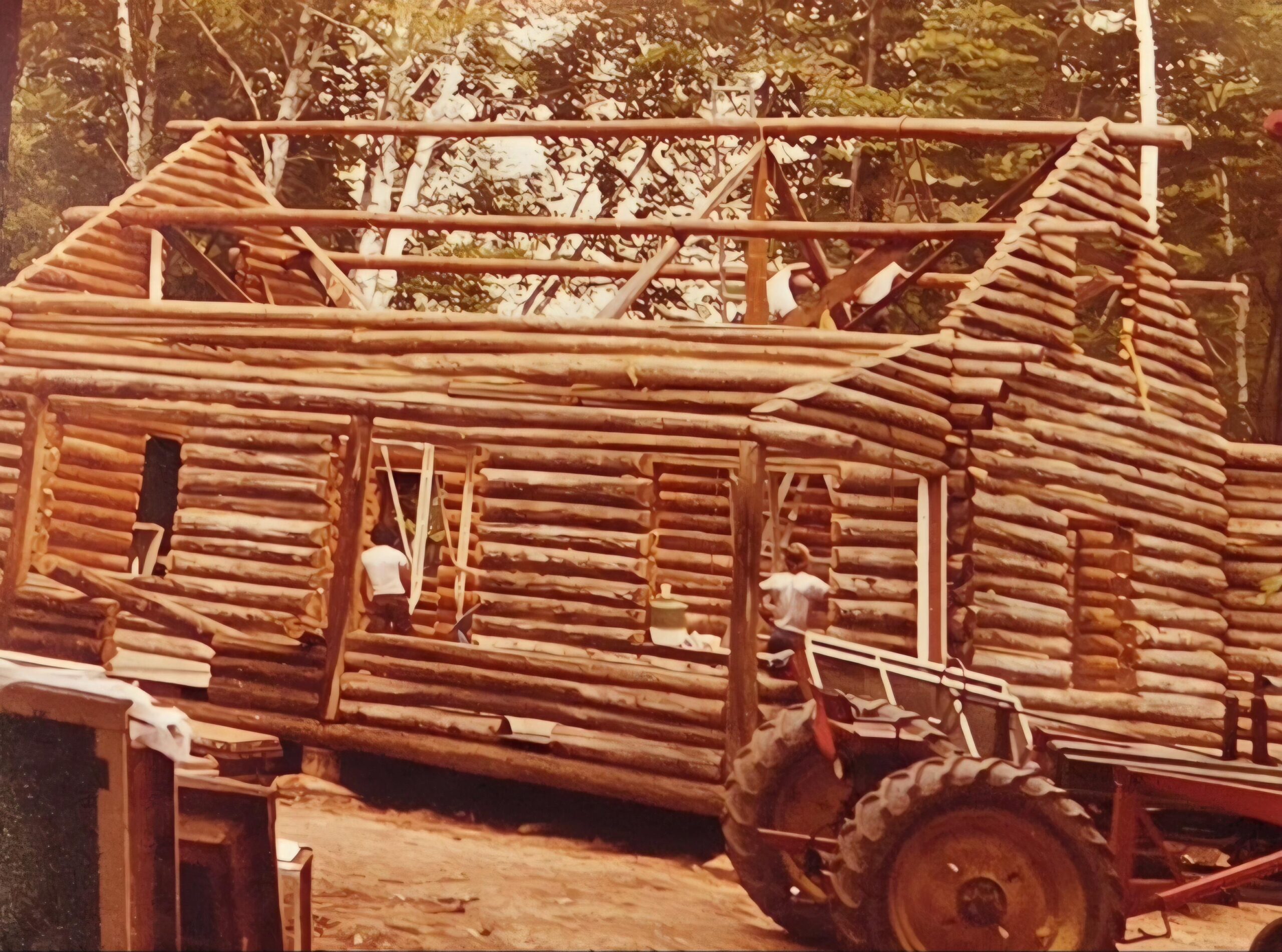
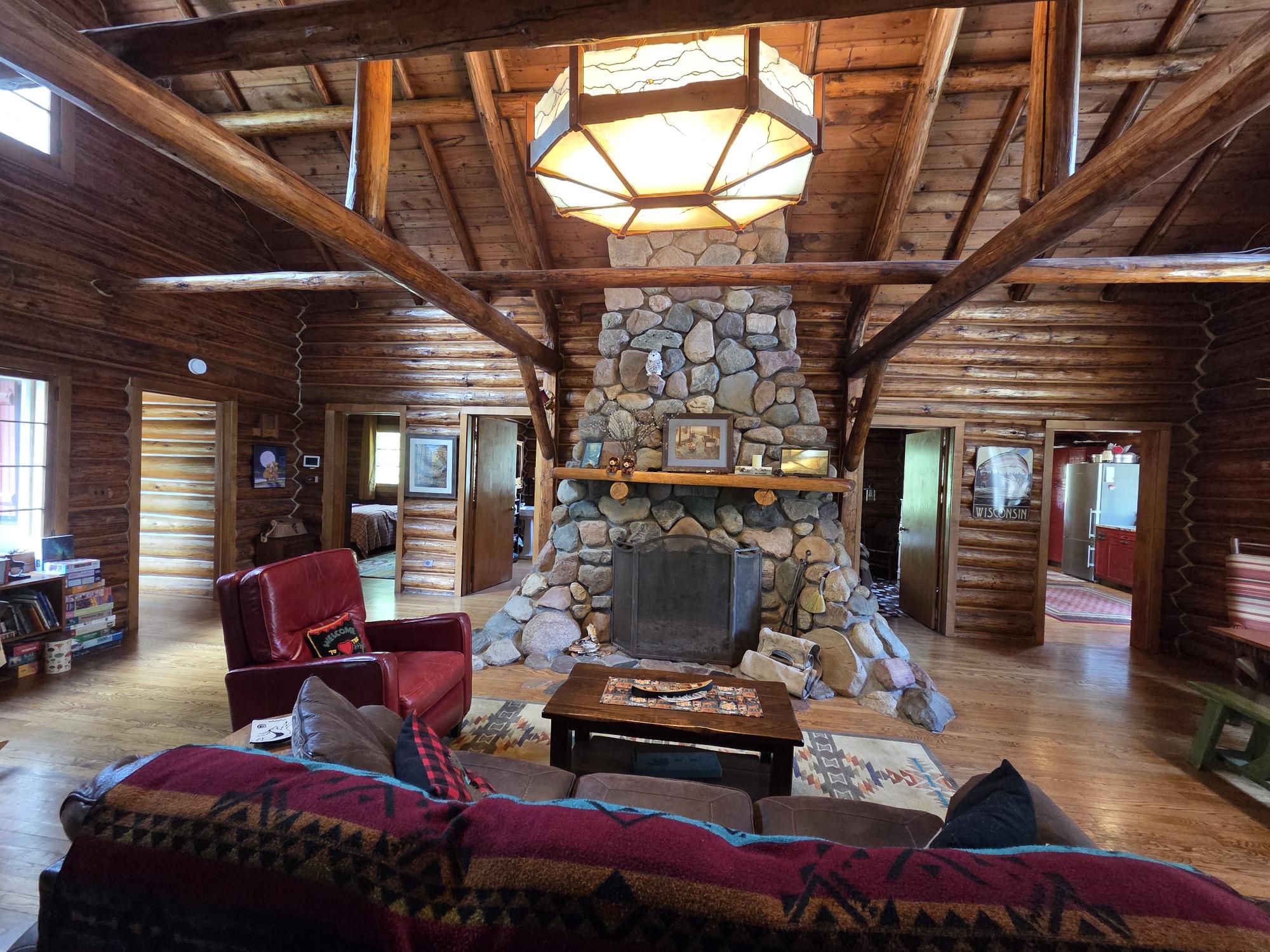
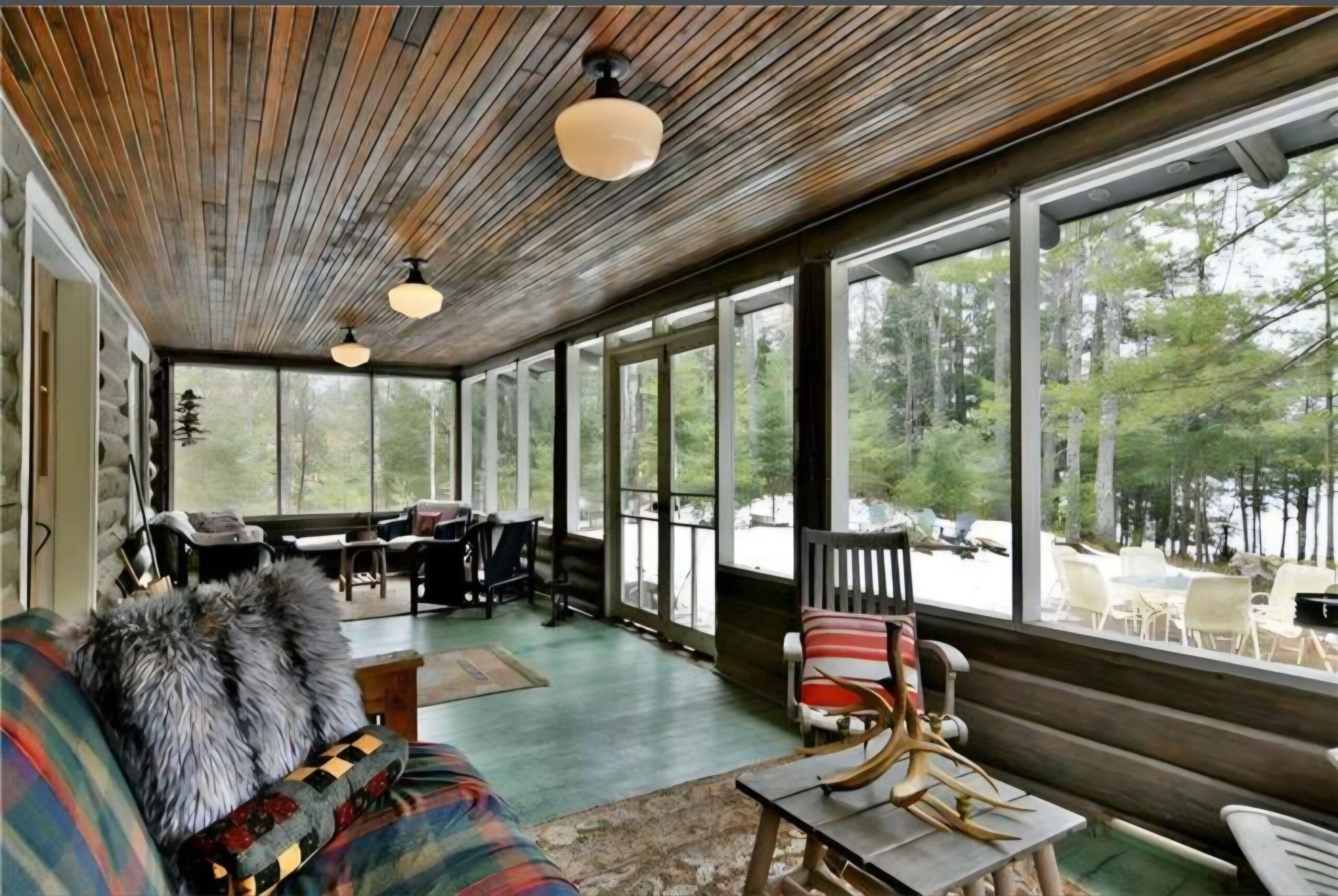
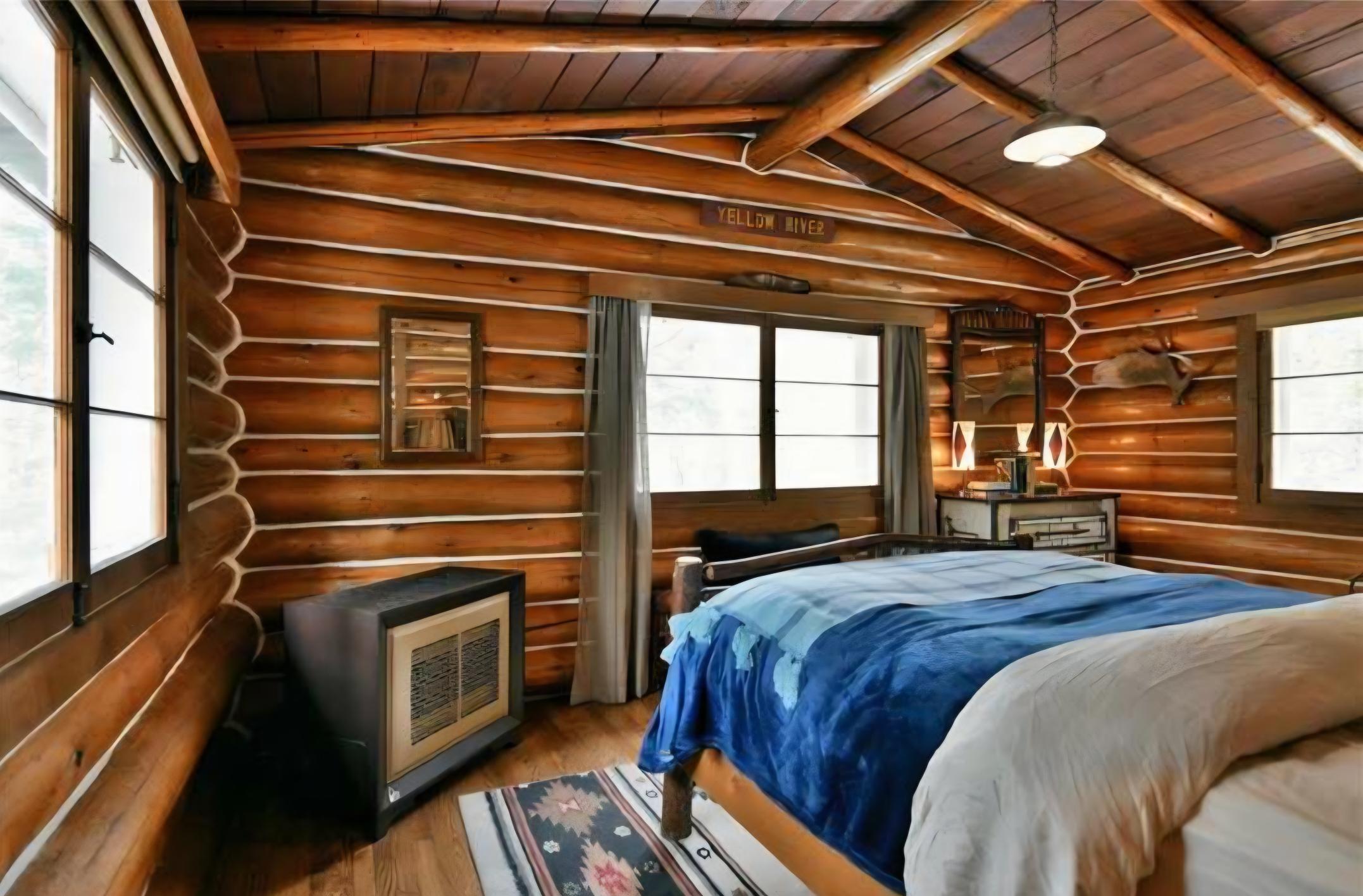
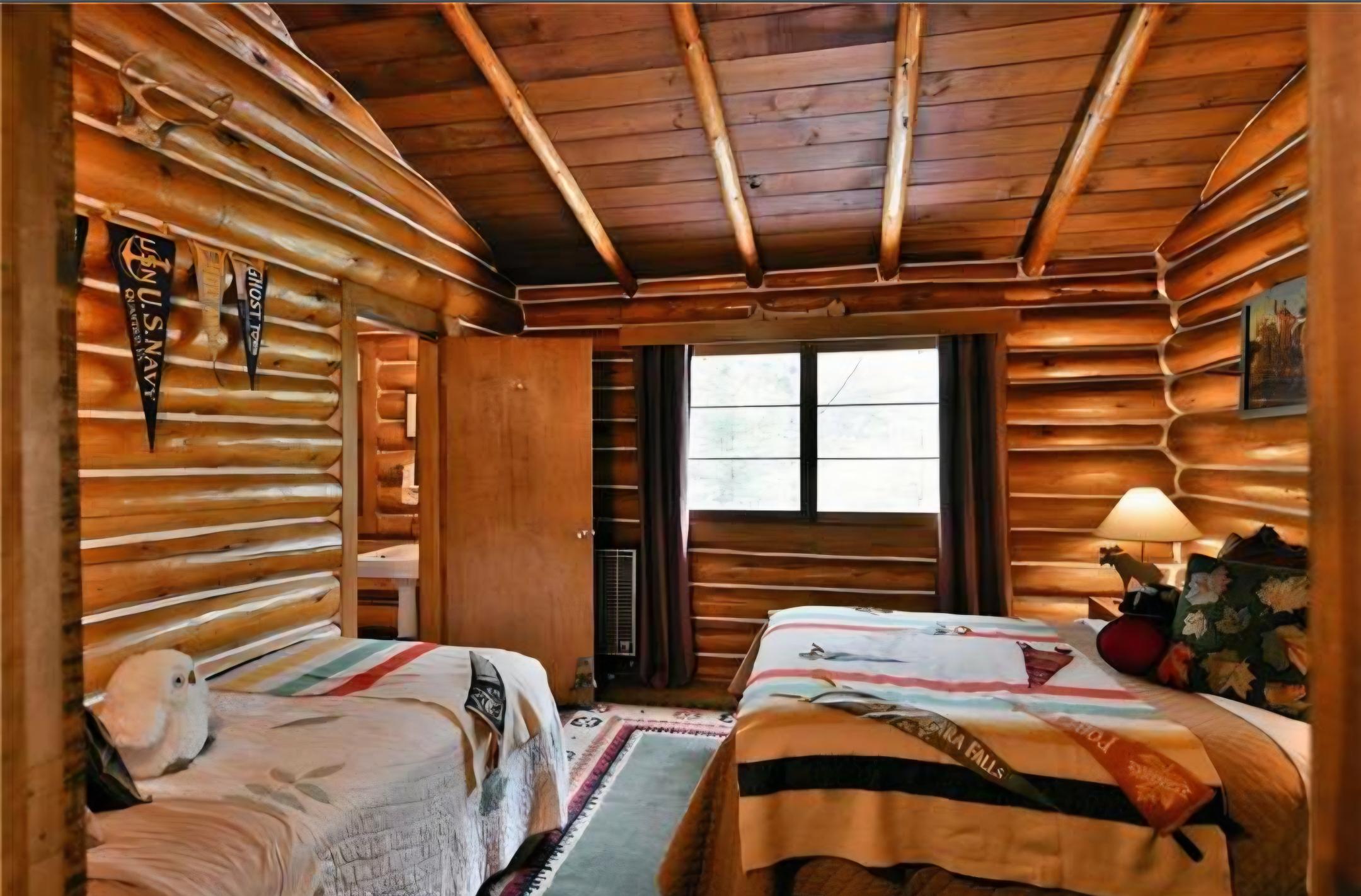
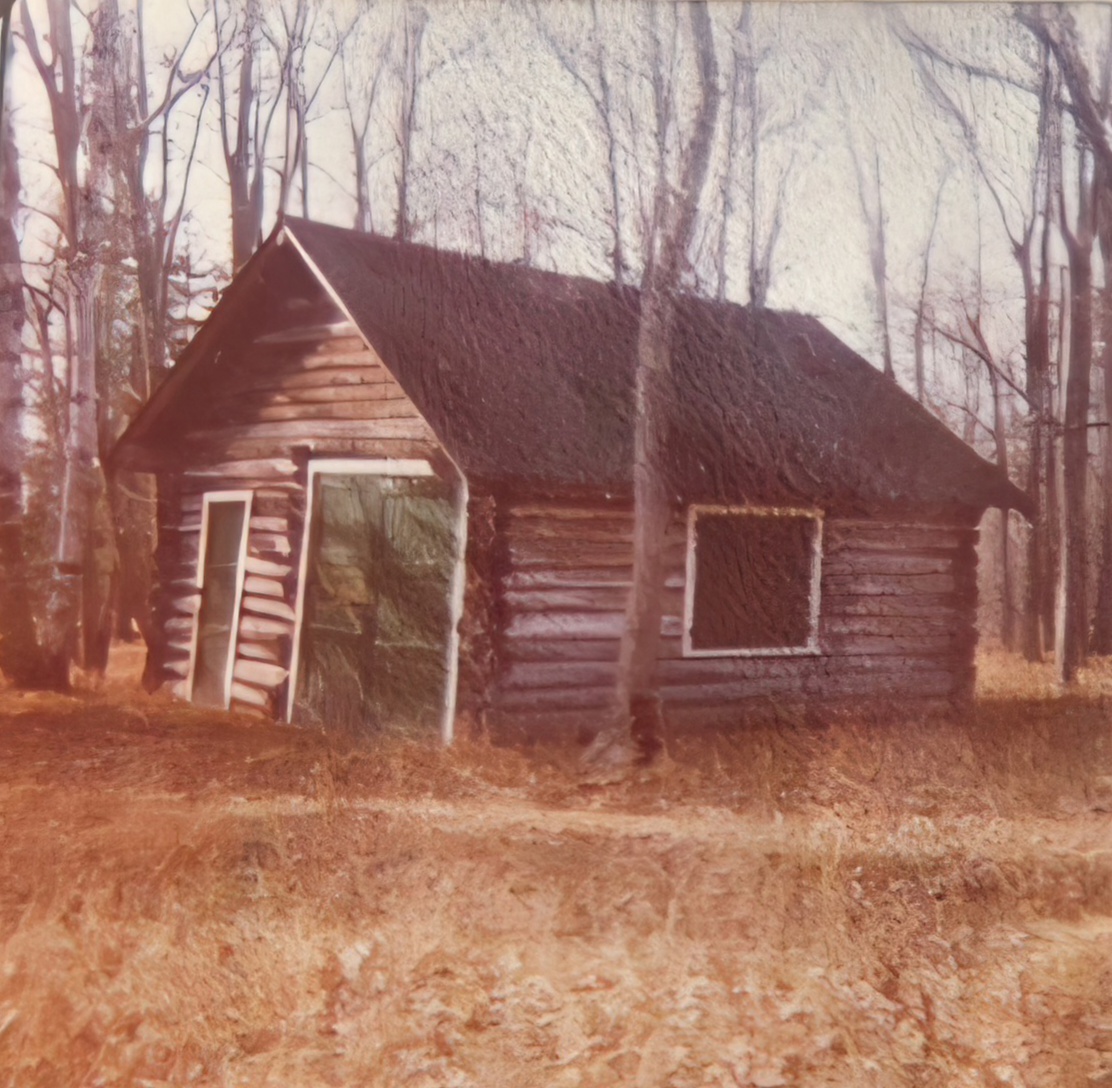
While the outbuildings were auctioned off and moved west to Dairyland, Wisconsin, the Scott lodge was moved to Minnesota. The lodge was auctioned between 1975 and 1976, taken down log by log, numbered, and moved to Minnesota along with the guest wing, which was moved as a complete unit. While it is unknown who bought Scott’s lodge, they couldn’t get a permit to rebuild it on their land, so they sold it to the Marvey family in 1977. The Marveys moved it from Minnesota to the Hayward area in 1978, where they beautifully reconstructed the lodge, and it is immaculately cared for to this day.
In April 2026, with the help of the Sawyer County Land Records Office, I finally tracked down where the Scott lodge had been moved and contacted its current owners, Jeffrey Staggs and Cara Carlson. On April 26, 2026, Jeff and Cara graciously agreed to meet me at their cabin for an oral history interview. They shared a collection of photos from their neighbor who helped rebuild the lodge in 1979. The photos showed the lodge in its original location, but contained no information about the location or who owned it. We met for several hours, and after I provided details and context for their photo collection, they showed me around their amazing property to conclude my journey. Jeff and Cara generously agreed to let me share some of the photos of the Scott lodge in the riverway and today.
It took me several years of following breadcrumbs and piecing together unsubstantiated leads to determine how many Scott buildings there were, and where they were moved. My research sifted through multiple truths and partial truths from folklore and historical records to track Ken Scott’s life and his estate on the St. Croix. Ken Scott loved animals, pets, hunting, fishing, and nature, and used his estate to protect what he cared about. Scott’s philanthropy made significant contributions to Douglas County’s character. As a conservationist, he had a lasting impact on the Bird Sanctuary; as a philanthropist, he contributed miles of shoreline to the St. Croix National Scenic Riverway for the public to enjoy in perpetuity. We can now remember and appreciate Ken Scott as a person, not just as a place name. His legacy provides another example of the river’s changing uses: from a Native American highway to a fur-trading river to a logging river used for exploiting natural resources through extractive industries to a privately held river for the wealthy to a river held in public trust for the benefit of all people.
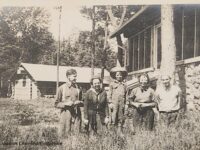
Scott Lodge in the riverway, being rebuilt, and today:
St. Croix 360 offers commenting to support productive discussion. We don’t allow name-calling, personal attacks, or misinformation. This discussion may be heavily moderated and we reserve the right to block nonconstructive comments. Please: Be kind, give others the benefit of the doubt, read the article closely, check your assumptions, and stay curious. Thank you!
“Opinion is really the lowest form of human knowledge. It requires no accountability, no understanding.” – Bill Bullard
Whoops! There was an error and we couldn't process your subscription. Please reload the page and try again.
By clicking subscribe, you agree to share your email address with St. Croix 360 and Mailchimp to receive emails from St. Croix 360. We will never share your information with anyone else.



Comment