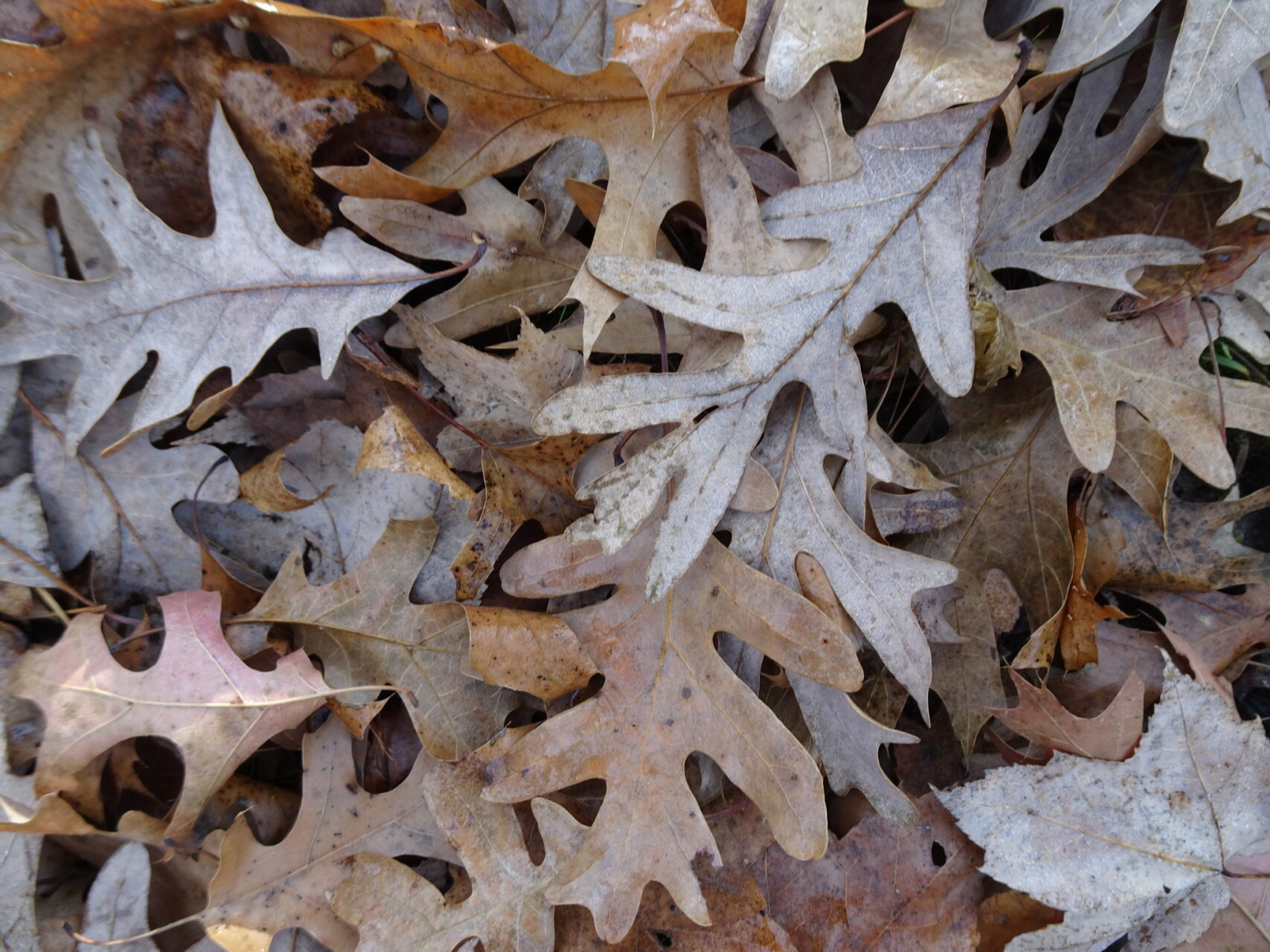
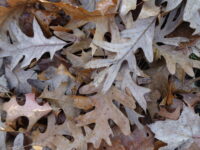
Oak leaves at Afton State Park. (sls42/iNaturalist)
Events and Announcements
Nature Hike from 10:30-11:30 a.m. at the Afton State Park Visitor Center on November 21: Come explore Afton on a late fall day! We will be hiking a short distance to see what’s happening in the park. Suitable for all ages, please dress for the weather, wear good walking shoes, and bring water.
Track Tales from 1-3 p.m. at the Afton State Park Visitor Center on November 21: Ever wonder what animal made those tracks in the mud or snow? Stop by the Naturalist Table in the Visitor Center between 1 and 3 p.m. to learn how to identify animals and what they were doing based on their tracks.
Creature Feature: Bird Edition! from 9-11 a.m. at the Afton State Park Visitor Center on November 25: The features of birds tell the story of how they live and what they eat. Explore the different habitats, foods, and birds that call the St. Croix River home through a fun, interactive game about bird adaptations.
Nature Story Time from 11:30 a.m. – 12 p.m. at the Afton State Park Visitor Center on November 25: Come read “We All Play” by Julie Flett. We will read, do activities, and play games to explore how animals play. This program is most suitable for kids under 7.
Astronomy
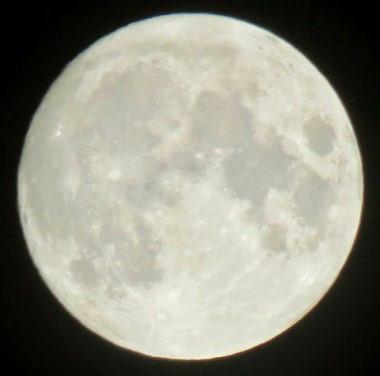
At about this time of year beavers finish building their winter lodges, and this is why late November full moons are called the Beaver Moon. The Beaver Moon is on November 24th, and it’s also a Super Moon! But what IS a Super Moon? The Moon has an elliptical orbit around the earth, taking about 28 days to make one lap around our planet. The point at which the Moon is the farthest away from the earth is called “apogee,” which means “far from earth”. The point where the moon is the closest to earth is called “perigee,” which means “close to earth”. When the moon is at perigee it looks bigger than when it’s at apogee, because it’s closer – about 25,000 miles closer! As you might have guessed, a Super Moon is a full moon when the Moon is at perigee.
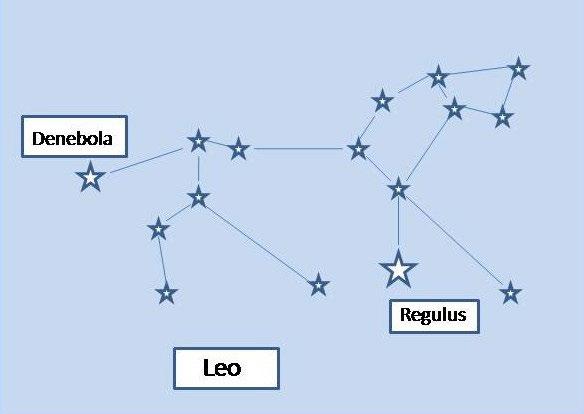
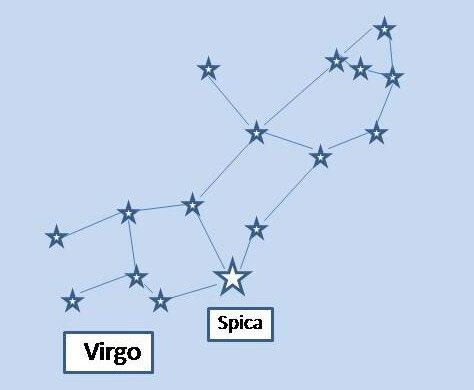
The Andromedid meteor shower peaks on Wednesday the 25th through Friday the 27th in the south in late evening. On Monday the 30th get up early to see a fine conjunction between the Moon, the planets Jupiter and Mars, and Regulus, the brightest star in the constellation Leo. On Tuesday the 1st get up early again to see the bright planet Venus form a triangle with the Moon and the blue star Spica, which is in the constellation Virgo.
Birds
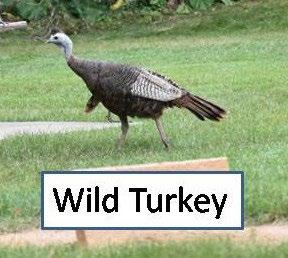
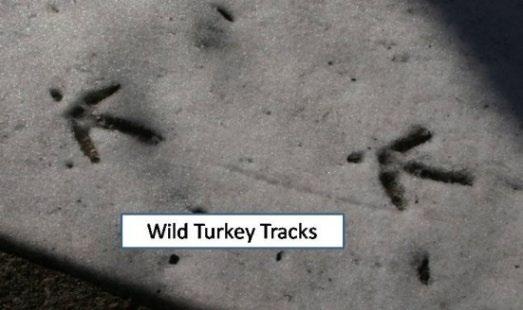
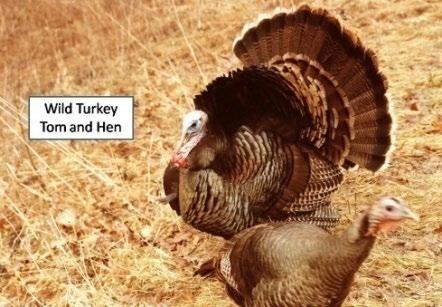
Before the early 1970s, there were no wild turkeys in Minnesota. From 1971 to 1973 the DNR participated in trapping 29 adult wild turkeys in Missouri, and relocated them to Houston County in southeastern Minnesota. The wild turkeys at Afton and elsewhere in Minnesota are descendants of those original 29 birds. Turkeys are active in the daytime (“diurnal”) so you may see them foraging on the prairies and meadows at Afton. Their tracks are easy to identify in the mud or snow. Males are called “Toms”. They can stand about four feet tall and weigh up to 25 pounds. Females are called “Hens” and they are smaller, weighing only about half what the Toms weigh. Young Turkeys are called “Poults”. Turkeys spend their time in flocks of around a dozen or so birds, and roost in trees at night. At this time of year they scratch the leaf litter with their feet to find acorns to eat. They may look a little ungainly, but don’t be deceived – Turkeys can run for short distances at a speed of 30 miles per hour! And their eyesight in the daytime is about three times better than the eyesight of us humans. They don’t see well at night, however, which is why they stay safe by roosting together in trees.
Minnesota and Wisconsin both have stable turkey populations, but turkey numbers are declining in states to the south of us, with fewer young turkeys surviving to breeding age. There are many suspected causes, including habitat loss, and heavy rainfall that chills and drowns young turkeys before they develop the ability to regulate their body temperature. The state of Iowa is engaged in a 10 year study of turkey populations. They have learned that hens need to average 2.6 poults for the overall population to remain stable, but Iowa hens are only averaging 2 poults per hen. As the study proceeds the researchers hope to learn how to help turkeys maintain a stable population.
Mammals
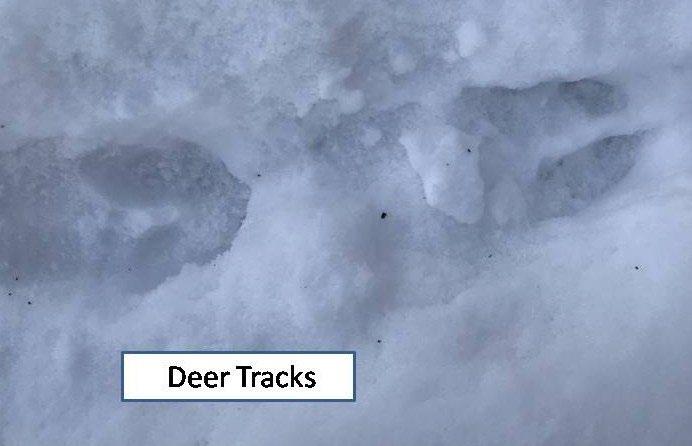
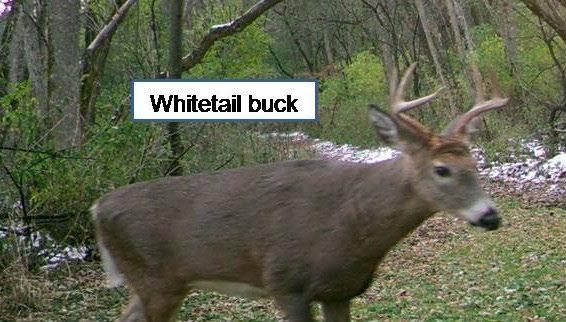
Most people don’t think twice about deer growing new antlers each fall then losing them in the winter. But re-growth of antlers by members of the deer family is the one and only instance of organ regeneration among mammals. This is a prime time to see bucks with full racks of antlers. Around the first of the year bucks begin to drop their antlers and you may come across “sheds” out in the woods. Deer tracks are among the easiest tracks at Afton to identify – look for the heart-shaped prints in the mud or snow when you’re hiking.
Reptiles and amphibians
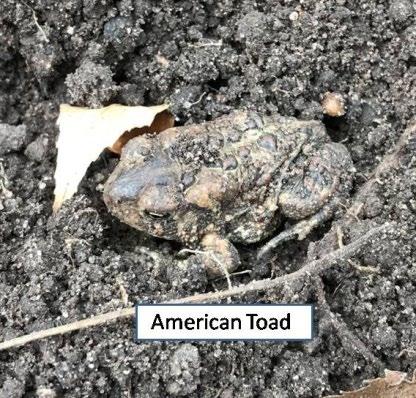
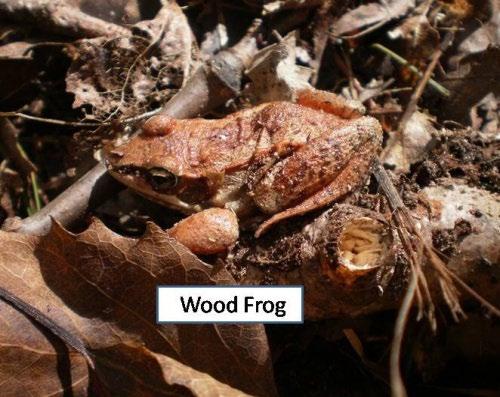
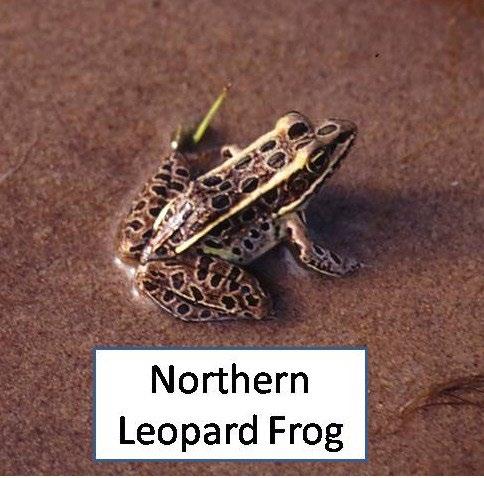
What do frogs and toads do in the winter? American Toads are good diggers and burrow down below the frost line to sleep away the winter in a state of torpor, sometimes waking up enough to move up or down in order to stay just a bit below the frost line. If you were planting bulbs this fall you might have surprised a toad or two! Frogs that spend most of their time on land are called “terrestrial frogs”. Terrestrial frogs, like the Wood Frog, are not good diggers. They look for cracks and spaces in rocks and logs and crawl in there for the winter. Frogs that spend most of their time in the water are called “aquatic frogs”. Aquatic frogs, like the Leopard Frog, lie on top of or partially buried in the mud at the bottom of ponds and wetlands, so they can continue to breathe. Frogs, unlike toads, actually freeze in the winter! How do they do that and survive? Frogs have high levels of glucose in their vital organs. The glucose acts as antifreeze and prevents ice from puncturing their cells. For a time their hearts actually stop beating! But they thaw out in the spring and come back to life. Pretty amazing!
Trees and shrubs
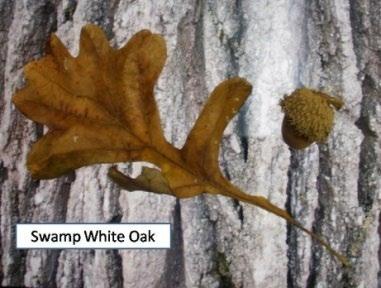
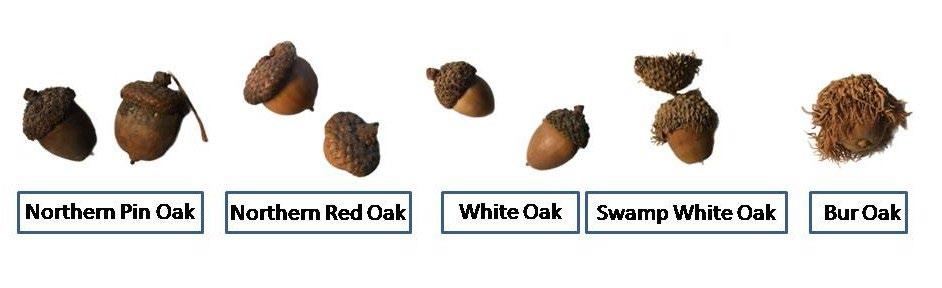
The Swamp White Oak is one of the many species of oaks that live at Afton. Like all white oaks, the Swamp Whites have rounded lobes on their leaves. The end of the leaf of Swamp White Oaks splays out in a fan shape. Swamp White Oaks grow to up to 70 feet tall. The acorns are smooth and green, with the upper half covered by a cap that is knobby, but not as bristly as the acorn of the Bur Oak. And below is a visual refresher on some of the acorns you may find at Afton. I’m still looking for an acorn from a Black Oak!
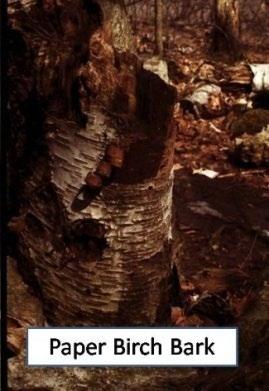
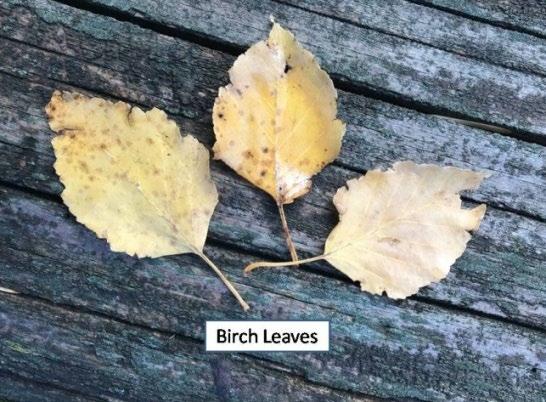
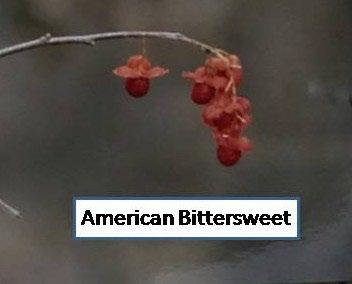
Another deciduous tree to look for is the Paper Birch. Its outer bark is white and smooth with dark horizontal lines, often curling off in sheets to reveal the reddish inner bark. The oval leaves turn yellow in the fall and are two to four inches long, with toothed edges. Native Americans harvested the bark carefully in a way that does not harm the tree. It was (and is) used to make coverings for dwellings, baskets, and canoes, among other things. American bittersweet is more of a shrub than a tree. This is a good time of year to look for its berries, before various birds eat them all!
Weather observations
Here are some weather observations from past years.
Friday, November 20
2024: first snowfall of the season; 2012: cloudy, with high in the 40s
Saturday, November 21
2016: sunshine and in the high 30s; 2014: Final day of 12 consecutive days with high temperature below freezing.
Sunday, November 22
2020: light snow overnight that melts by noon, with temperature in the 40s; 2016: record rainfall of 0.74″; 2012: record high of 60°
Monday, November 23
2013: single digits above zero in the morning
Tuesday, November 24
2020: murky and drizzly through day, temperature in the low 30s; 2017: record high of 60°; 2001: record rainfall of 1.06″
Wednesday, November 25
2012: clouds, high in low 30s
Thursday, November 26
2001: record snowfall of 5.9″
Friday, November 27
2019: record snowfall of 7.2″; 2014: high of 10°
Saturday, November 28
2015: 30s and sunny; 2020: 50s and sunny
Sunday, November 29
2022: 5″ snow; 2009: light snow overnight
Monday, November 30
2016: high 30s with light rain; sunny, 29°
Tuesday, December 1
2020: beautiful day in the low 50s; 2012: fog and low clouds through day
Wednesday, December 2
2021: mid-40s, partly sunny; 2013: alternating rain and snow through day
Thursday, December 3
2023: fog in morning, murky throughout day, high in 30s; 2022: dusting of snow overnight, single digits in morning; 2012: high in the 50s
St. Croix 360 offers commenting to support productive discussion. We don’t allow name-calling, personal attacks, or misinformation. This discussion may be heavily moderated and we reserve the right to block nonconstructive comments. Please: Be kind, give others the benefit of the doubt, read the article closely, check your assumptions, and stay curious. Thank you!
“Opinion is really the lowest form of human knowledge. It requires no accountability, no understanding.” – Bill Bullard
Whoops! There was an error and we couldn't process your subscription. Please reload the page and try again.
By clicking subscribe, you agree to share your email address with St. Croix 360 and Mailchimp to receive emails from St. Croix 360. We will never share your information with anyone else.




Comment