Park closed to the public from 6 p.m. Friday, November 6 through 8 a.m. on Monday, November 9 for a special-permit deer hunt.
Astronomy
This two-week period gives us two chances at viewing meteor showers. First comes the Northern Taurid meteor shower, which peaks on Monday, November 9th, appearing in the south in the late evening. Next is the Leonids on the 17th and 18th, also in the south but before dawn. Neither has a high frequency of meteors – only three per hour on average for the Northern Taurids and ten per hour for the Leonids, but they’re worth a look if you’re a night owl or an early bird!
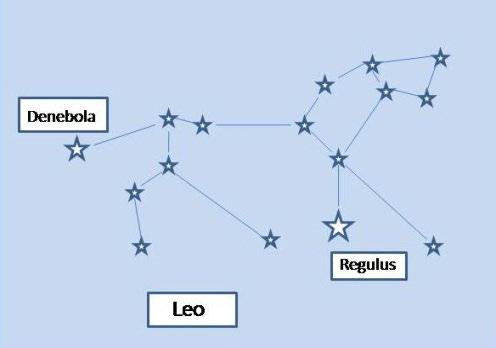
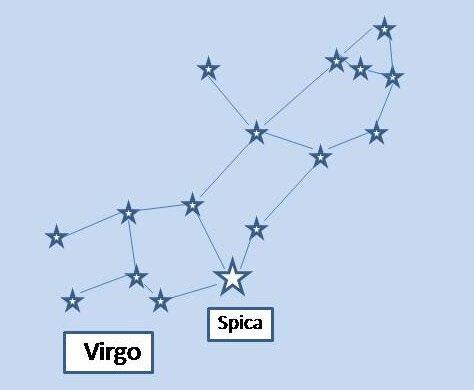
Venus is back to being a morning star and you can see it near the Moon before sunrise on Saturday the 7th, and as a bonus the blue star Spica will be nearby. Spica is in the constellation Virgo the Virgin. Before sunrise on Monday the 16th look in the east for the planets Jupiter and Mars along with the star Regulus. Jupiter will be the brightest of the three, then reddish-colored Mars, and finally Regulus. Regulus is in the constellation Leo the Lion and is the 15th brightest star in our night sky.
Birds
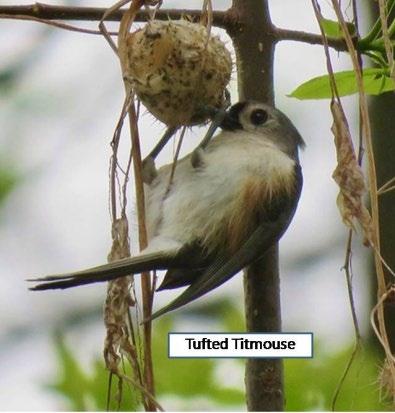
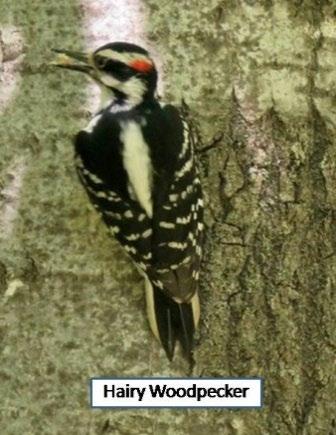
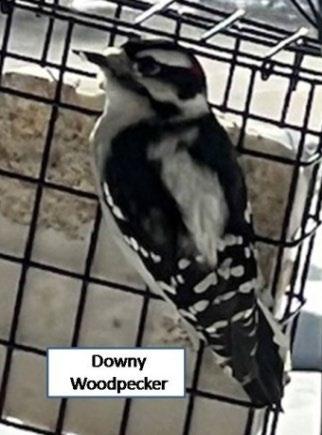
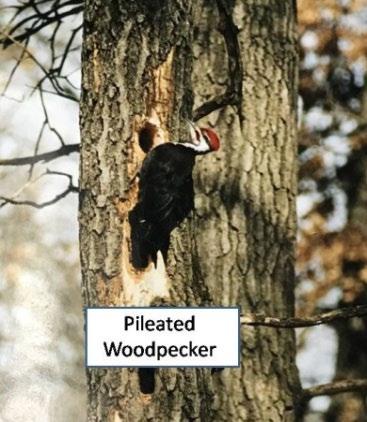
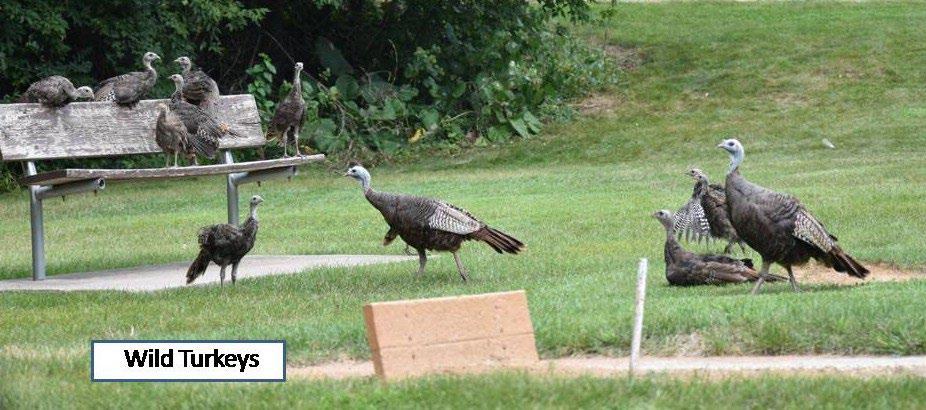
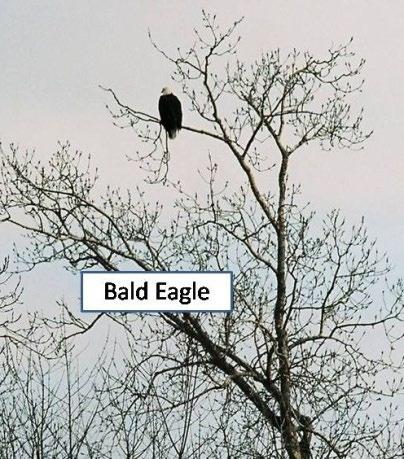
At this time in past years visitors to Afton have reported seeing Bald Eagles, Pileated Woodpeckers, Downy Woodpeckers, Hairy Woodpeckers, Tufted Titmice, and flocks of Wild Turkeys! The Hairy and Downy Woodpeckers look a lot alike. The Hairy is bigger than the Downy, at 9 ½ inches in length compared with 6 ½ inches for the Downy.
Mammals
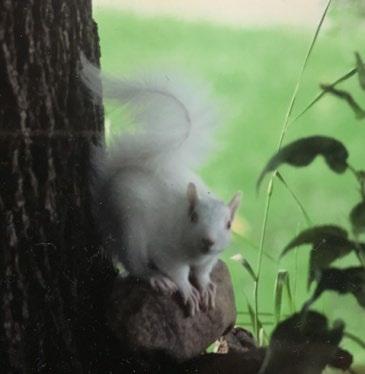
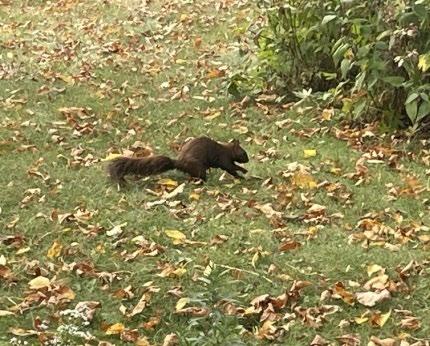
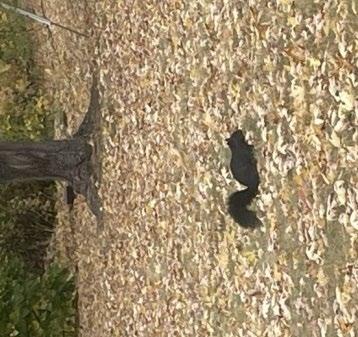
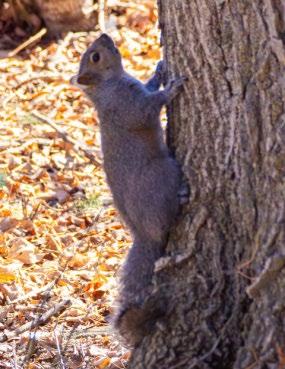
Gray squirrels are gray, right? Well . . . . yes and no! While most gray squirrels are gray, some have a genetic mutation that results in what’s called “color polymorphism” and are closer to black in color, and sometimes tinged with red. And like all animals some may have a mutation that results in what’s called “albinism”, in which they don’t have the melanin pigments that trigger eye and hair color. If you’ve seen a black squirrel at Afton, it’s probably a color polymorph of the gray squirrel. And if you’ve seen a white squirrel, it’s probably an albino.
Reptiles and Amphibians
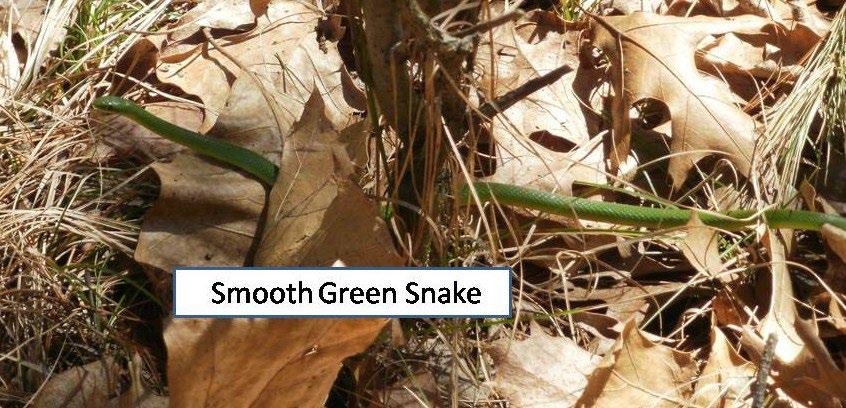
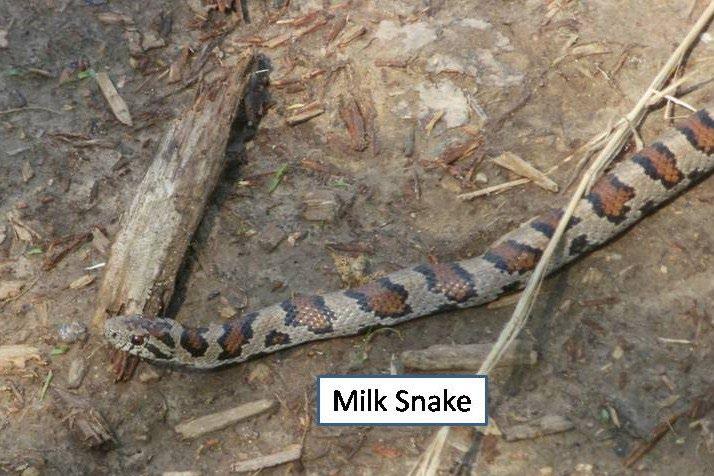
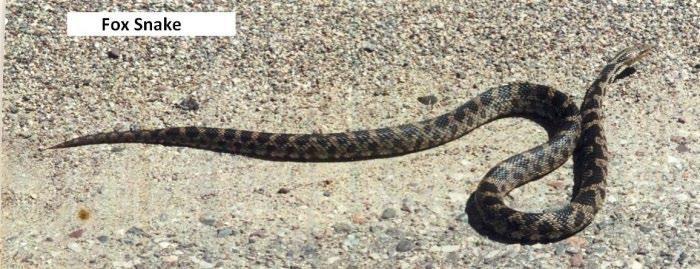
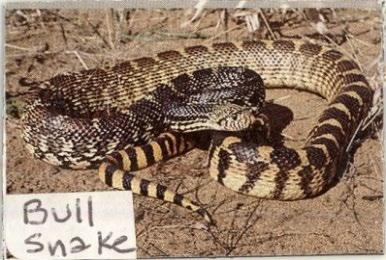
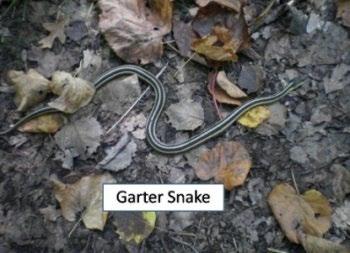
Every wonder what snakes do in the winter? They gather in sheltered areas, taking over burrows below the frost-line that were dug by woodchucks, chipmunks, or other animals with the ability to dig. They also like rocky crevices on south-facing slopes that get lots of winter sunshine. Often many snakes will congregate in one den, called a hibernaculum, which may be a winter home to snakes of several different species. Once “in” for the winter their body temperature drops to between 35 and 45 degrees. And once they’ve found a good hibernaculum, snakes will return to it year after year, and generation after generation.
Plants
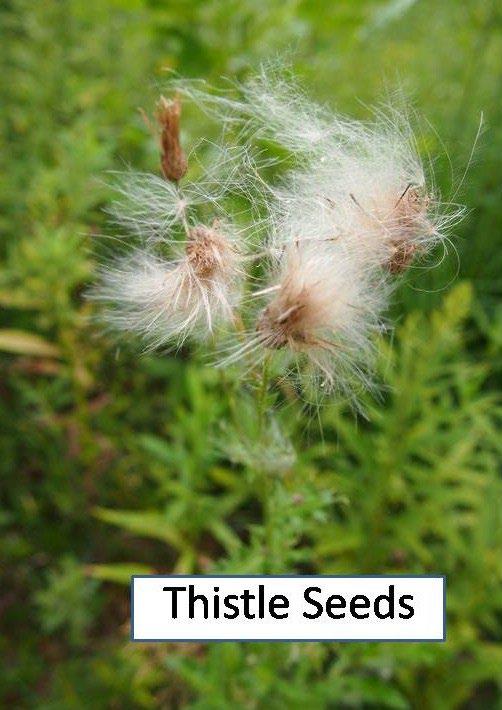
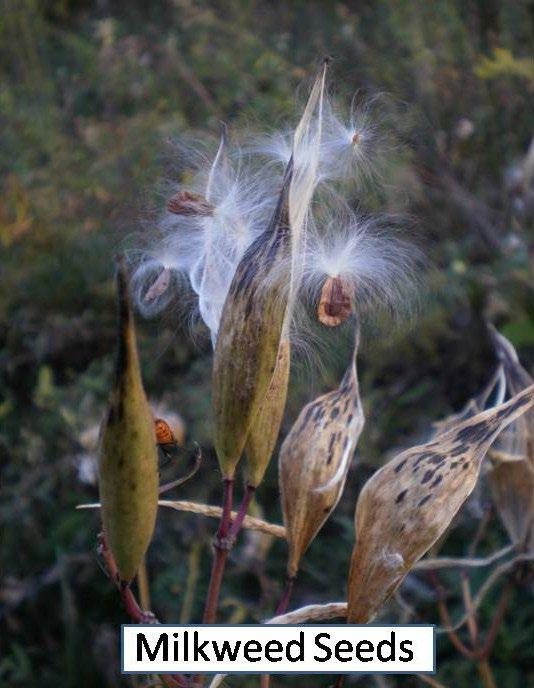
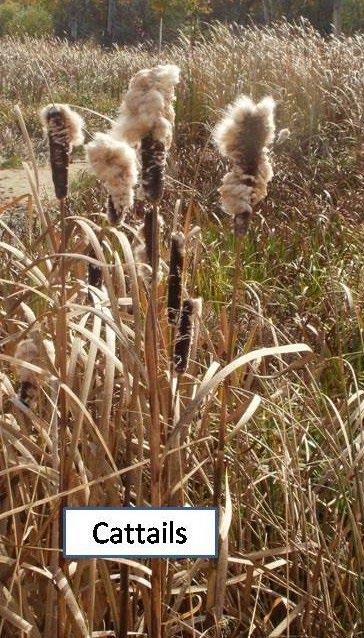
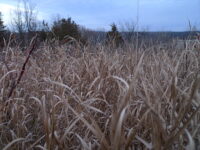
Many plants rely on the wind to blow their seeds to new places. Among them are cattails, milkweed, and thistles. Have you seen any of these seeds floating by in recent weeks? They all have bits of fluff that help them stay airborne and drift away from their mother plant.
Trees
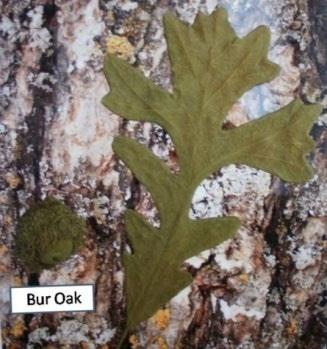
The next oak to meet is the Bur Oak. The leaves have rounded lobes and are 5 to 12 inches long. The bark is dark gray, and often deeply furrowed. And the cap of the acorn is very hairy and covers more than half of the nut!
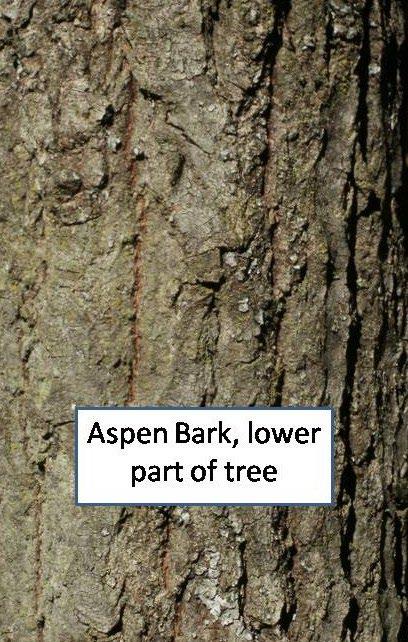
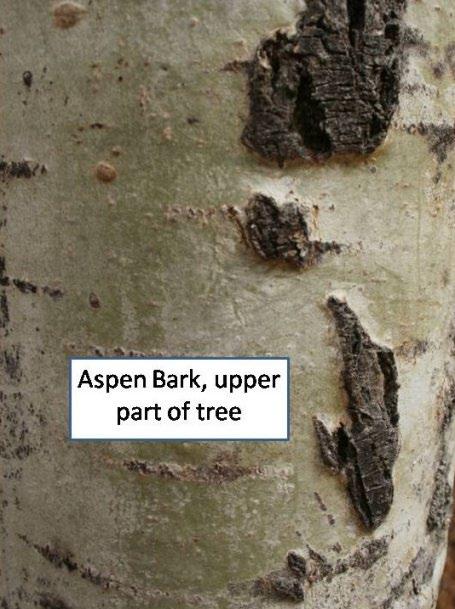
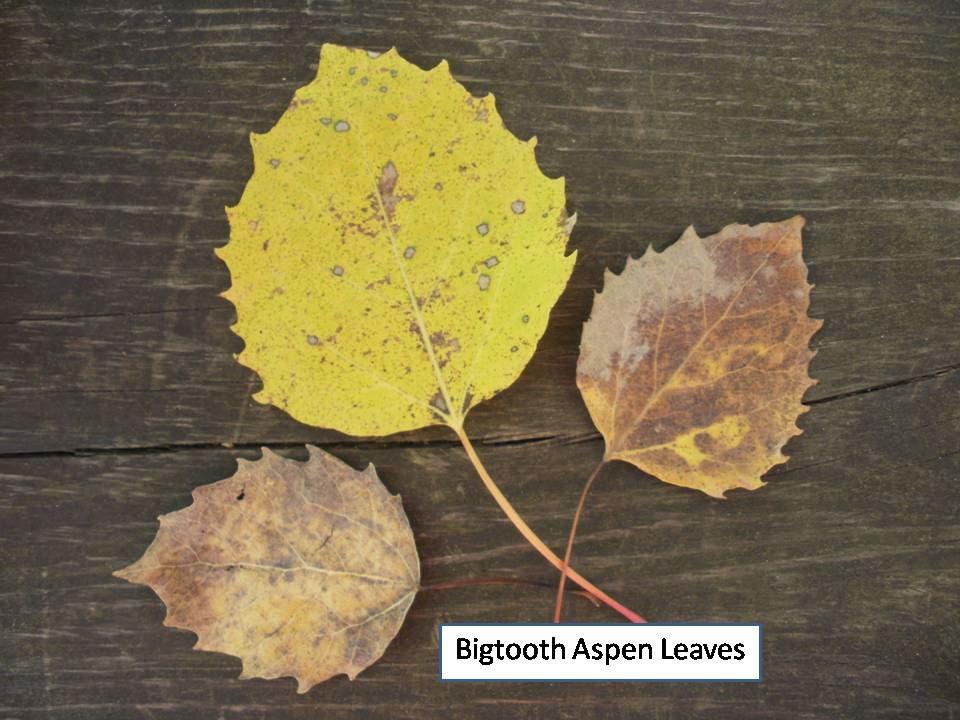
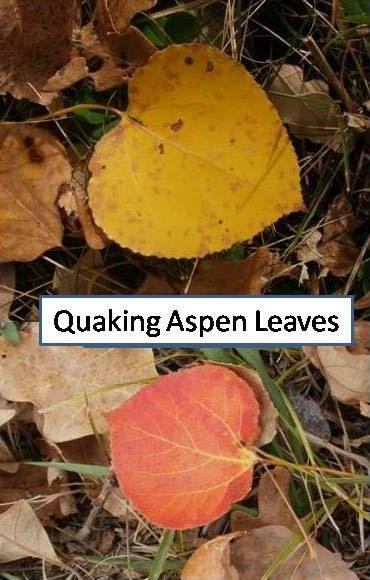
You may see two different species of Aspens at Afton: the Quaking Aspen and the Bigtooth Aspen. The Quaking Aspen is the most widely distributed tree in Minnesota and also in North America! Quaking Aspens have nearly round leaves one to three inches long. Bigtooth Aspens have bigger leaves, up to six inches long, and as the name suggests the leaves have big teeth. The stems of Bigtooth Aspen leaves are often nearly as long as the leaves themselves. The bark of both trees is dark gray and furrowed on the lower part of the tree, and cream-colored and smooth on the upper part of the tree. Aspens reproduce both by seeds and by suckering off their roots, so that a large stand of aspens may all be the same organism connected by their roots.
The leaves of most aspens turn yellow in the fall, but some turn red. The yellow color is from carotenoids in the leaves that become visible once the chlorophyll that makes leaves green dies in the fall, while the red is from anthocyanins. Only some aspens have the genetic trait that allows them to produce anthocyanins. Those trees only produce anthocyanins and have red leaves when the weather conditions are just right: warm sunny days followed by cool nights.
Weather Observations
Here are some weather observations from past years.
Friday, November 6
2020: record high of 75°; 2000: record rainfall of 1.54 inches; 1991: record low of zero
Saturday, November 7
2020: record high of 74°; 1991: record low of minus 6°
Sunday, November 8
2020: windy and in the 70s; 1991: record low of 1°
Monday, November 9
2024: rain from late afternoon into evening, 40s; 2023: gusty winds, temperature in the 40s; 2021: beautiful day in the 50s with the last leaves falling from trees; 2020: rain off and on through day; 2017: record low of 12°
Tuesday, November 10
2024: rain continuing until about noon, still in 40s; 2020: record snowfall of 5.5 inches; 2012: record high of 69°
Wednesday, November 11
2024: sunny and breezy, 40s; 2023: gray and cool with flurries in the evening; 2021: first flurries of the season in the evening; 2020: 2 inches of snow overnight; 2005: record high of 64°
Thursday, November 12
2024: sunny and breezy, 40s; 2023: sunny and pleasant, high 50s; 2001: record high of 65°
Friday, November 13
2024: clouds with rain late afternoon, 40s; 2010: record snowfall of 7.7”
Saturday, November 14
2022: heavy wet snow in morning, mostly melting in afternoon but still at record at 2.5”; 2020: light rain and mist through day
Sunday, November 15
2024: sunny and 50s; 2015: high of 62°; 2020: blustery winds, with temperatures in the 30s
Monday, November 16
2023: record high of 69°; 2015: 50s and rainy
Tuesday, November 17
2015: record rainfall of 1.21”
Wednesday, November 18
2024: rain and wind with temperatures falling out of the 50s; record rainfall of 0.86”; 2011: sunny with high in the 40s; 2020: sunny and in the low 50s
Thursday, November 19
2014: ½” of fluffy snow, morning temperature in the 20s
Photo / Image Credits
All photos copyright Nina Manzi, except:
Dean Lokken: Albino squirrel
Gary Sater: Downy Woodpecker, Hairy Woodpecker, Tufted Titmouse
St. Croix 360 offers commenting to support productive discussion. We don’t allow name-calling, personal attacks, or misinformation. This discussion may be heavily moderated and we reserve the right to block nonconstructive comments. Please: Be kind, give others the benefit of the doubt, read the article closely, check your assumptions, and stay curious. Thank you!
“Opinion is really the lowest form of human knowledge. It requires no accountability, no understanding.” – Bill Bullard
Whoops! There was an error and we couldn't process your subscription. Please reload the page and try again.
By clicking subscribe, you agree to share your email address with St. Croix 360 and Mailchimp to receive emails from St. Croix 360. We will never share your information with anyone else.


Comment