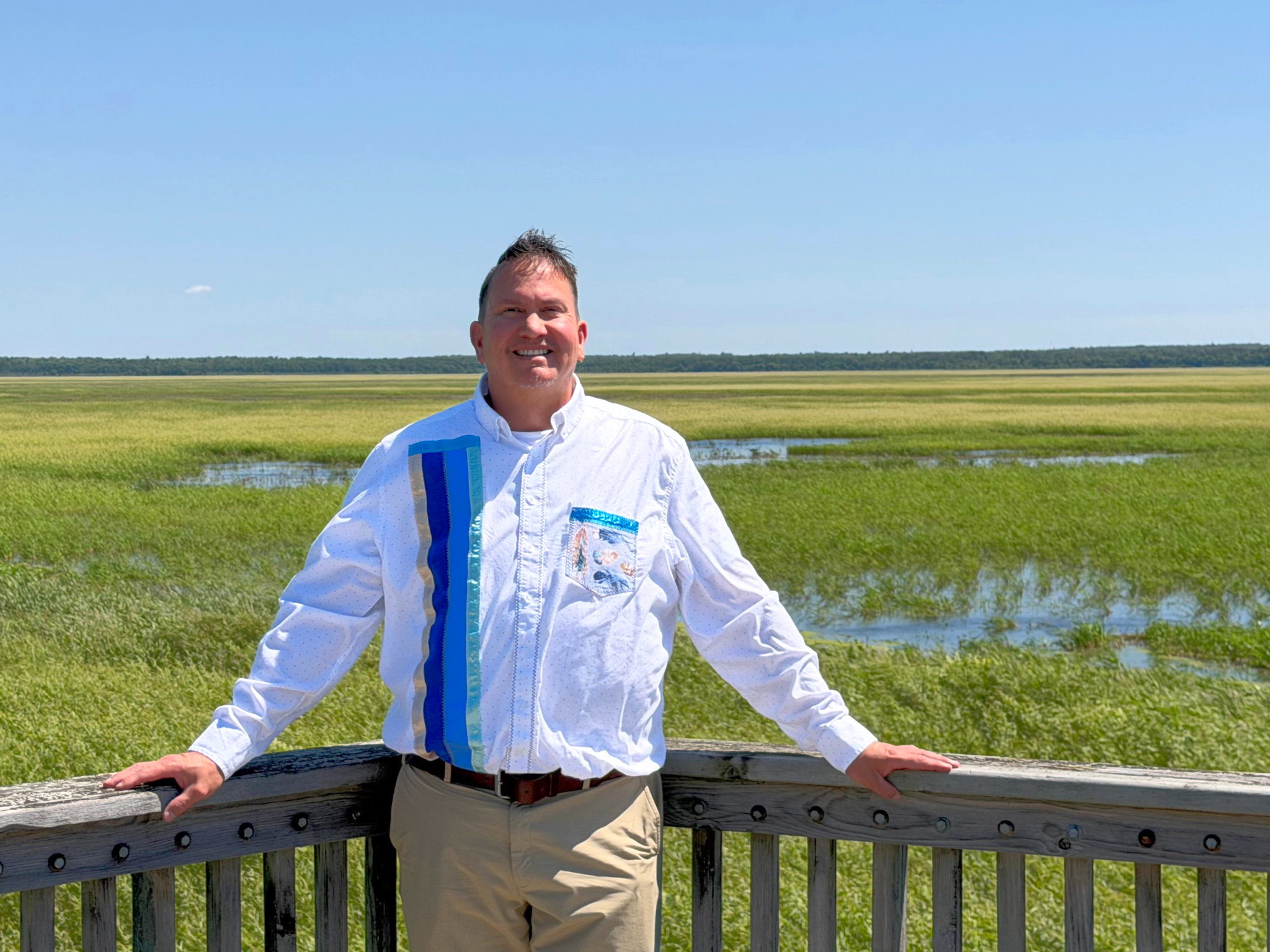
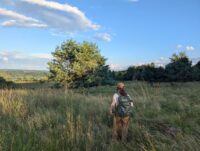
Kelly Applegate, Rice Lake. (Greg Seitz/St. Croix 360)
Standing on the shore of Rice Lake, near McGregor, Minnesota, Kelly Applegate looks over an expanse of manoomin (or wild rice), which is nearly ripe and ready for harvest. Applegate is the commissioner of Natural Resources for the Mille Lacs Band of Ojibwe, and the bounty before him is his people’s most sacred gift from the Creator. Soon, harvesters will be criss-crossing the rice stands, one person poling from the stern of a canoe, one person in the front gently knocking the grain onto the bottom of the boat.
“It’s still done the same way we were taught, handed down for countless generations,” Applegate says.
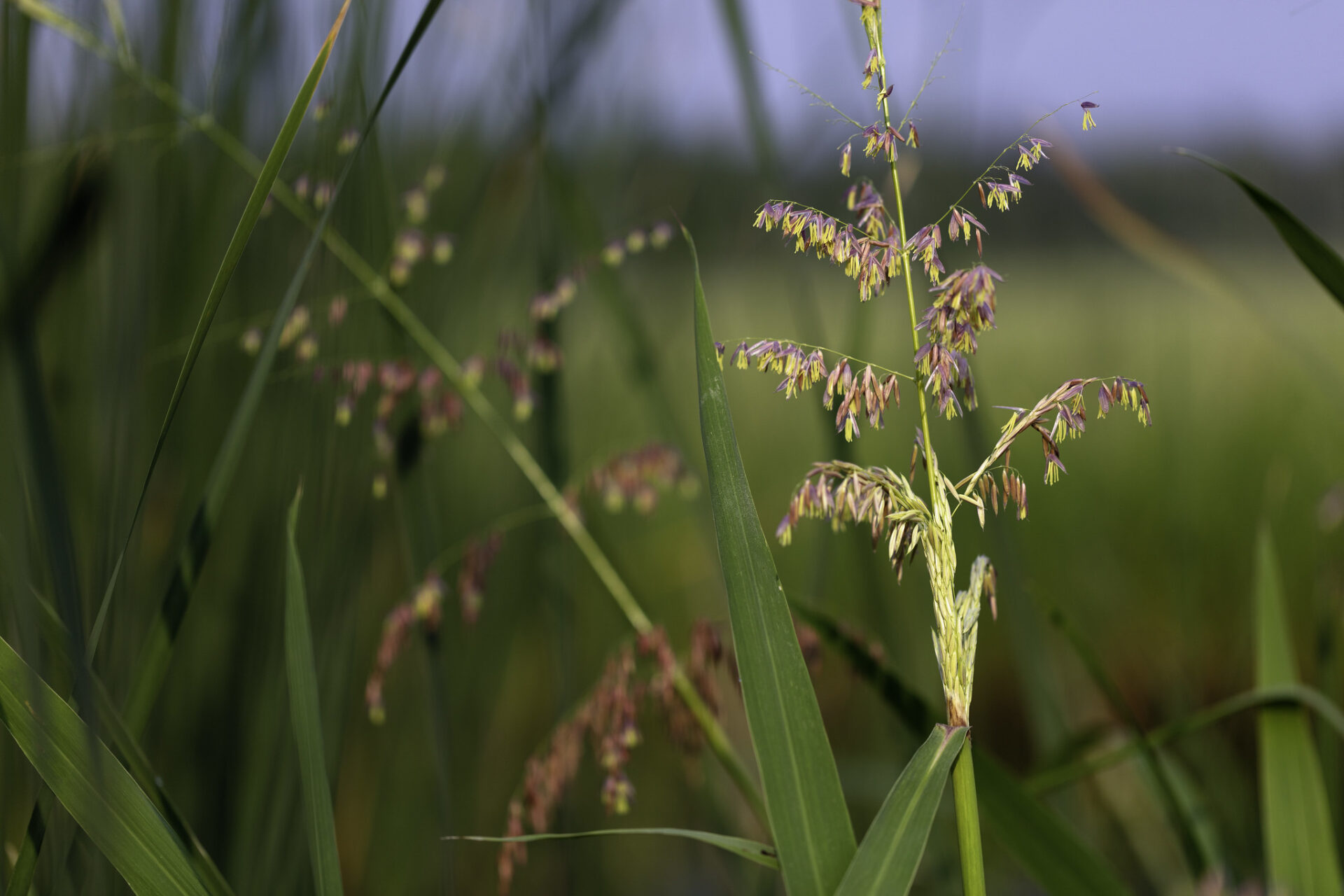
At the edge of the water, Applegate takes a closer look at a single stem of manoomin, admiring the plump kernels dangling from the stalk. Manoomin is understood to be the “good berry” in the Ojibwe language, and it defines their long history with this land. A prophesy that led their ancestors west from the Atlantic promised they would find home where “the food grows on water.” After centuries of searching, they found this rice region.
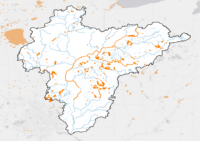
The manoomin reaches across northern Wisconsin and northern Minnesota, including much of the upper St. Croix River watershed. It is dependent on a delicate balance of water, climate, geology, and more. It provides for the Ojibwe people, has kept them alive through many lean winters over the centuries, and they have an ancient obligation to return the care.
So it is deeply worrying to Applegate and his tribe that, not far from Rice Lake, a company is seeking to dig deep into the bedrock to extract nickel and other minerals. With a long history of water pollution, the industry is a threat to manoomin—and much more.
Mining threats
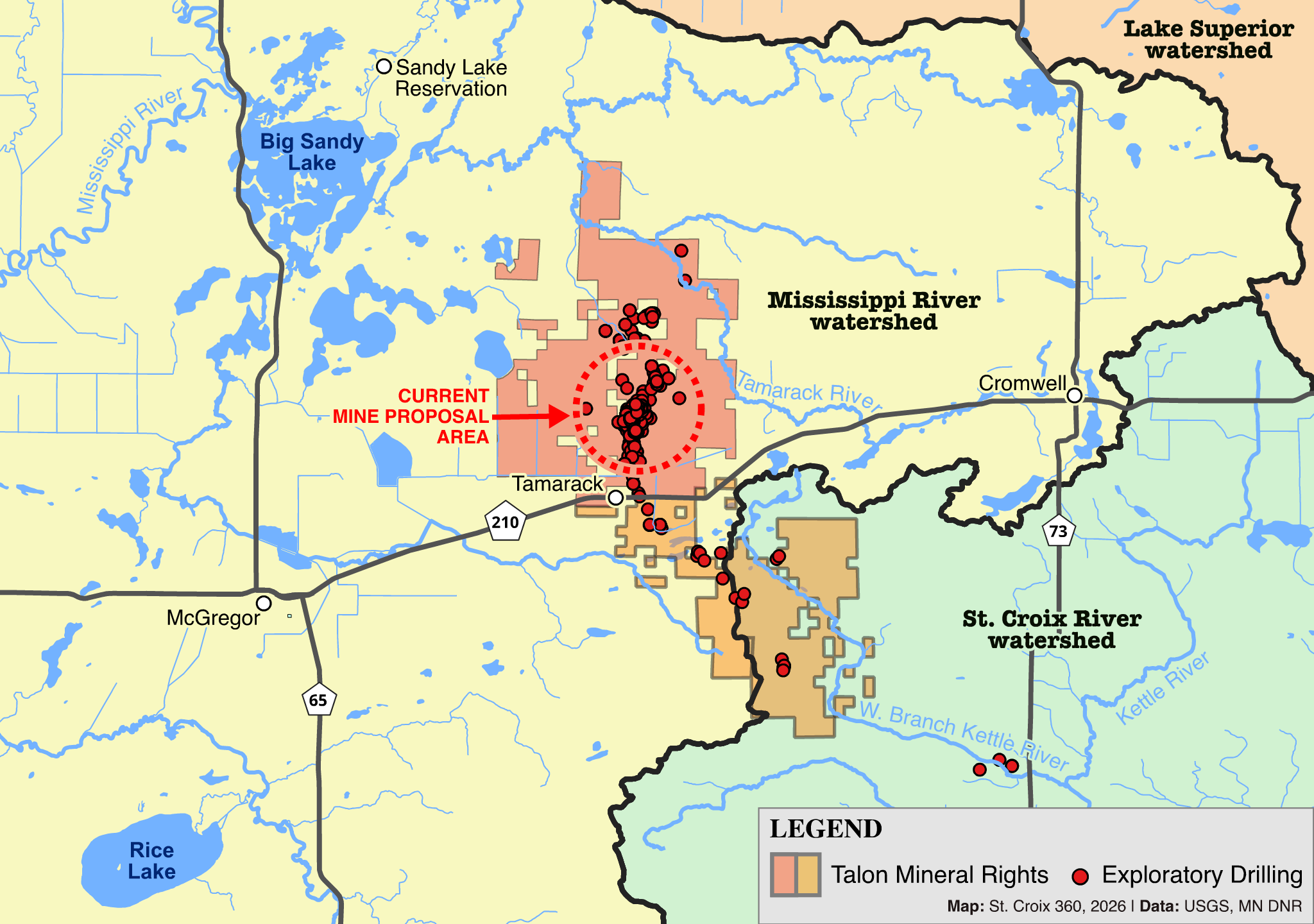
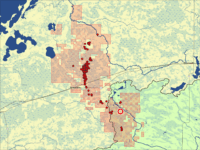
The Rice Lake National Wildlife Refuge is located outside the St. Croix River watershed, instead draining toward the upper Mississippi River. Same with the site of the current Talon mine proposal. But the ore that interests the company extends under the upper reaches of the Kettle River, a tributary of the St. Croix. And all water is connected.
While the larger ore body is not included in the mine currently open for public comment, Talon has conducted some exploratory drilling in the Kettle River headwaters. Applegate thinks if the company is allowed to start digging a mine, it won’t be satisfied until it has taken all the valuable metal it can.
“They will press and press to get it out,” he says. “They’re not going to say the Tamarack Mine is good enough, they’ll go for it.”
Metal mining in this area is risky because of all the lakes, rivers, and wetlands. The ore that would be extracted is rich in sulfides, which can turn into sulfuric acid when exposed to air and water, or sulfate, which can increase mercury levels in fish and devastate wild rice.
Talon would have to pump tremendous amounts of water out of the mine as it digs deep below the watery landscape. Applegate compares it to pulling the plug in a full bathtub, as gravity pulls the water down into the ground. This can lower groundwater and connected surface waters, destroying the delicate balance that supports wild rice and fragile lakes and rivers.
The discharge of sulfates, heavy metals, and other substances from the mine are also a threat. When sulfate gets into lake sediments, it essentially blocks wild rice from getting needed nutrients. It doesn’t kill the plant immediately, but slowly diminishes.
“The rice will become less and less vigorous over time,” Applegate says.
Water pollution and changes to hydrology could destroy this vast and valuable region.
These risks are incompatible with Ojibwe ethics, which call for long-term stewardship and respect for the resources that provide life. Applegate also says that the health effects on his people are an important concern. These effects can come from loss of nutritional food like manoomin and fish, and the many medicines found in the area, but also from mental issues like stress and anxiety. Even the proposal has put many people in distress.
“I have band members who come to me in tears, saying ‘we can’t do this,’” Applegate says.
The Minnesota Indian Affairs Council has passed a resolution calling for a health impact assessment as part of the mine proposal’s environmental review. It has been supported by many different Indigenous groups. In the draft scoping document the Minnesota Department of Natural Resources released on July 7, the agency stated it does not propose conducting such an assessment.
“The EIS will contain a limited assessment of potential effects on the health of potentially impacted populations and the distribution of impacts within the same population,” the DNR wrote. “This analysis will be conducted within the EIS and will focus on the main determinants of health that are most likely to be associated with the Project.”
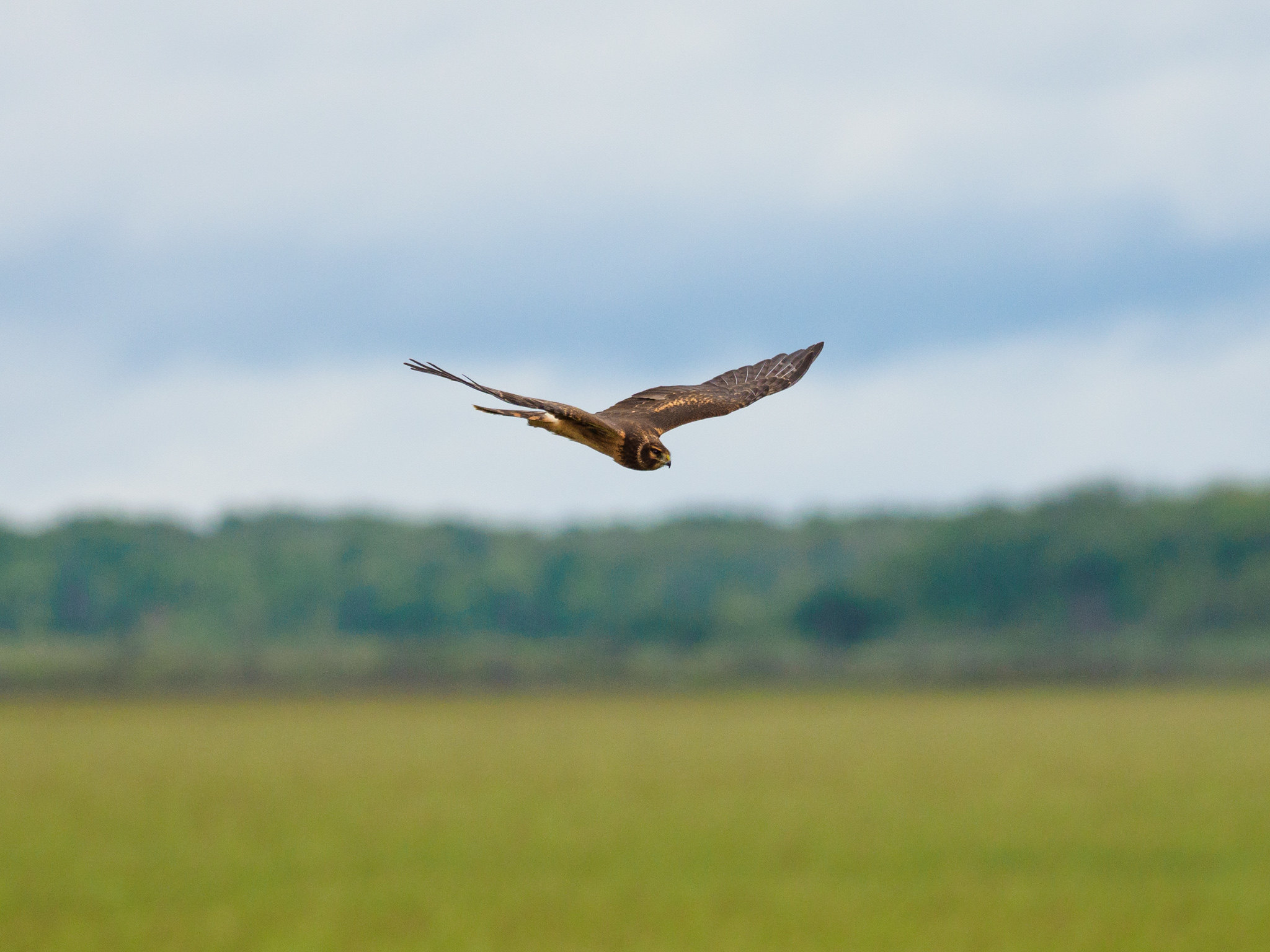
The Rice Lake refuge is a symbol for what is at stake for the Ojibwe people: food, water, and a way of life. It’s also home and habitat for a variety of wildlife. An estimated 1 million ring-necked ducks stop at Rice Lake during their migration each year, feasting on the manoomin as they head south for the winter. The lake and rice is also full of other birds, fish, and insects, including many pollinators.
Driving gravel roads through the refuge, Applegate talks about the mine proposal and his tribe’s fight against it, but frequently interrupts himself to point out familiar flowers and other plants. Almost all of these are medicine used by his people, manoomin not being the only precious plant found here. There is bluestem grass, purple coneflower, fireweed and too many others to name—if Applegate wants to finish a thought.
Having worked for the band’s Department of Natural Resources for 20 years, Applegate was appointed commissioner in 2021. He says the band is involved in many types of projects to protect the resources they rely on.
”In our culture, we believe we want to hand this world down to the seventh generation better than it is now,” Applegate says. “We welcome everyone to join this philosophy.”
Passing by one of the refuge’s many marshes, Applegate says these wetlands are often overlooked—but act like “sponges” that soak up water, which prevents flooding downstream and removes pollutants.
“It’s not a swamp but a powerful water recharge area, that filters and cleans water,” he says.
All water is sacred to the Ojibwe people, and they have legal rights to protect them based on treaties with the U.S. government. The federal and state governments must work with the tribes and consider their input when making decisions, and must protect land and resources held in trust on behalf of the Ojibwe.
Women are the protectors of water in Ojibwe culture, and Applegate says he works to provide them with what they need to perform their duty.
“Water is one of the first things the Creator made, it’s the basis of all life,” Applegate says. “Water is the majority of us, our bodies. Without it, you don’t have life.”
Memories of mistreatment
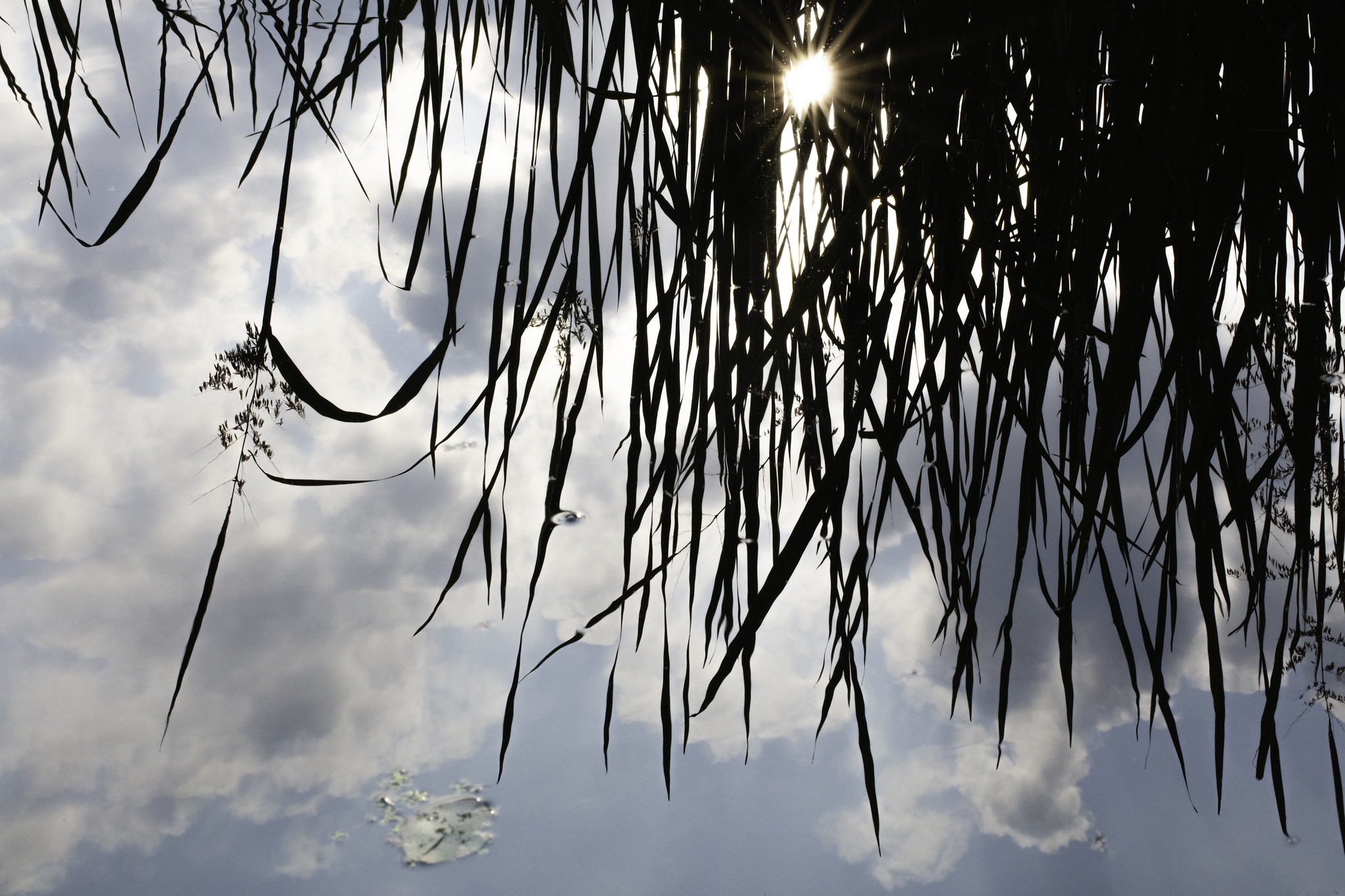
Manoomin (wild rice) reflected in water on Big Sandy Lake. (Laurie Shaull/Flickr)
The Talon mine would be located a few miles upstream of Big Sandy Lake, a 6,500-acre reservoir that produces abundant walleye and stands of wild rice. It is associated with one of the worst tragedies in the hundreds of years of interaction between the U.S. government and the Ojibwe people.
In 1850, government officials hatched a plot to deceitfully remove Ojibwe people from what’s now the state of Wisconsin. The officials forced the Ojibwe to travel to Sandy Lake from across northern Wisconsin in late fall, in order to collect payments and provisions that were guaranteed them in recent treaties. When 5,000 of their people showed up at Sandy Lake, the weather was freezing. The payments came weeks late, and the provisions were rotten and made many people sick. Their camp was overwhelmed by starvation, disease, and death.
Realizing they could be trapped here all winter with nothing to eat, many tried to return home. They had to leave the canoes they used to travel to Sandy Lake because all the waters were now frozen. Dozens of people froze to death on the walk back to Wisconsin. All told, at least 400 people died as a result of the government’s plan.
What is now known as the Sandy Lake Tragedy is a scar on the Ojibwe people’s history. The Talon mine proposal has reopened the wound.
“We don’t want another chapter of failed Indian policy and mistreatment,” Applegate says.
The Ojibwe fought for fixes to the system after the deceit experienced at Sandy Lake, and a few years later signed another treaty that guaranteed their right to stay in northern Wisconsin. The Mille Lacs Band and many others continue fighting for their homeland today.
Long-term love
For more than three years now, the Mille Lacs Band has been speaking out against the Talon mine’s risk of pollution, and speaking up for the rice and their people’s future.
“The band is not pleased with this proposal,” he says. “We didn’t ask for it.”
In response to the threat of mining pollution, the band launched a campaign called “Water Over Nickel.” It has put the tribe out front in the fight.
“Mille Lacs Band is the central, leading voice,” Applegate says. But he adds that the campaign is designed to let other people and organizations speak out as part of it. It provides detailed information and guidance for writing effective comments on the proposed mine.
The band still has significant questions about the proposed mine, and doesn’t want the project to proceed until they get suitable answers.
“We are asking this be proven before we’re a big experiment,” Applegate says.
Speak up
The comment period for the Tamarack Mine’s scoping phase is open July 14, 2026, through Sept. 14, 2026. Comments must be received by 4:30 p.m., Monday, Sept. 14, 2026. Links to the documents are available on the DNR website. The Water Over Nickel campaign’s resources for commenting can be found here.
Tamarack EAW Project Manager Environmental Review Unit Ecological and Water Resources Division, DNR 500 Lafayette Rd. Saint Paul, Minnesota, 55155-4025
St. Croix 360 offers commenting to support productive discussion. We don’t allow name-calling, personal attacks, or misinformation. This discussion may be heavily moderated and we reserve the right to block nonconstructive comments. Please: Be kind, give others the benefit of the doubt, read the article closely, check your assumptions, and stay curious. Thank you!
“Opinion is really the lowest form of human knowledge. It requires no accountability, no understanding.” – Bill Bullard
Whoops! There was an error and we couldn't process your subscription. Please reload the page and try again.
By clicking subscribe, you agree to share your email address with St. Croix 360 and Mailchimp to receive emails from St. Croix 360. We will never share your information with anyone else.



Comment