Mammal Adaptation Adventure on October 3 from 10-12 in the Visitor Center: Drop by this nature table to learn all about mammal adaptations and what they tell us about the animal. Explore skulls, pelts, and play a game to learn why these traits matter.
Skulls and Bones on October 3 from 2-3 p.m. in the Visitor Center: Ever found a bone and wondered what kind of animal it came from? Learn what skeletons and skulls tell us about how animals once survived in their natural environment. There will be real bones and skulls for you to touch and see!
Astronomy
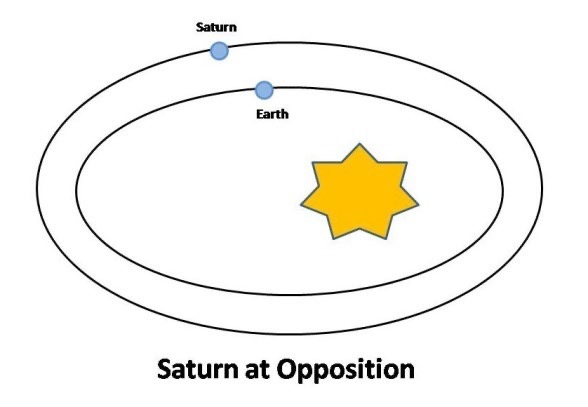
On Sunday the 4th the planet Saturn is at opposition. Opposition is when a planet that has an orbit outside the Earth’s is on the opposite side of the Earth from the Sun. When this happens the planet “rises” in the east at about sunset and is visible all night long. You won’t need a telescope to see Saturn, but if you have one you’ll be able to see its rings! Tuesday the 6th brings a rare celestial event – an occultation of the planet Jupiter! When the Moon rises at about 1:00 a.m. (so just after midnight on Monday the 5th) the planet Jupiter will be hidden behind the Moon. If you stay up for another hour you will see Jupiter emerge from behind the Moon.
Birds
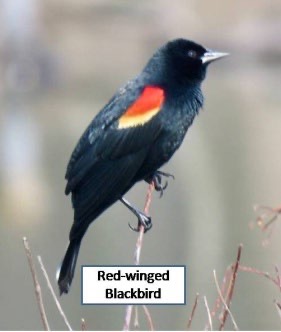
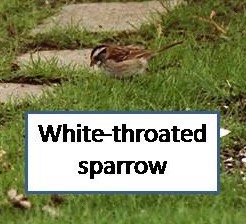
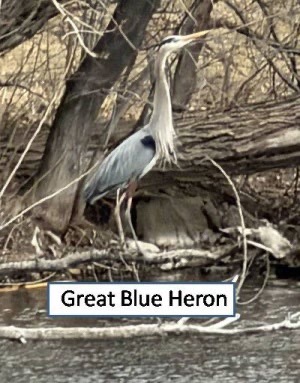
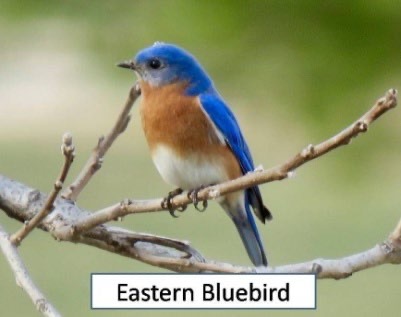
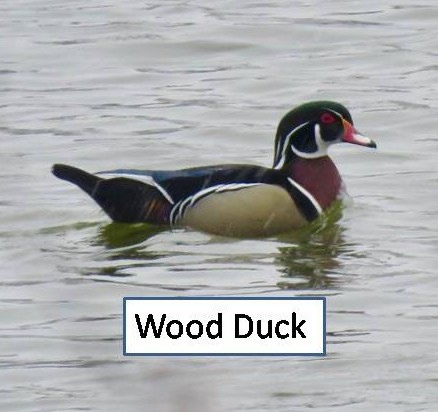
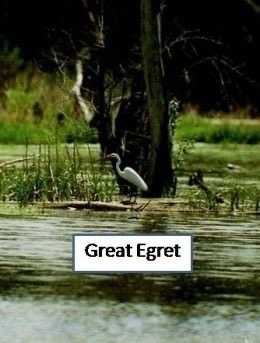
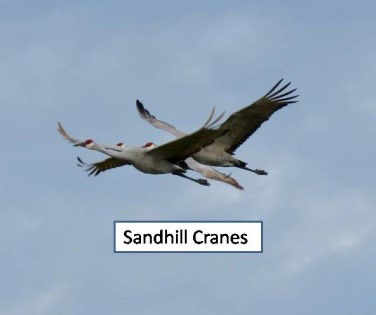
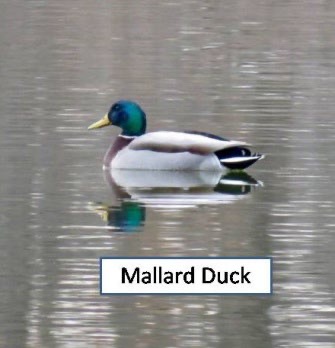
Migration continues. Wood Ducks, Mallards, and Canada Geese follow waterways like the St. Croix River on their way south. Great Blue Herons and American Egrets keep near water as they move south, too. Look for large flocks of Red-winged Blackbirds and Grackles, and smaller flocks of Bluebirds. Robins and Flickers may travel along with the Blackbirds and Grackles. Visitors in past years have seen Sandhill Cranes overhead, and White-throated Sparrows. The Sparrows sing their “O Canada” song in the fall, though not as often as in the spring.
Mammals
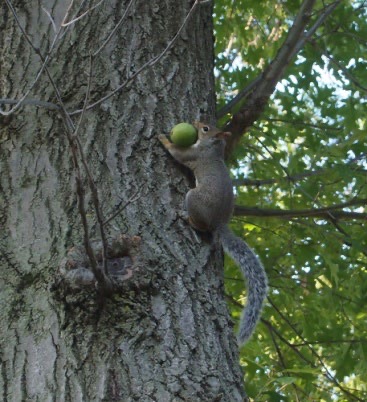
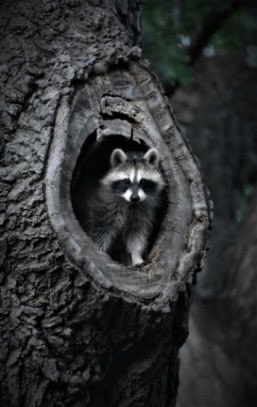
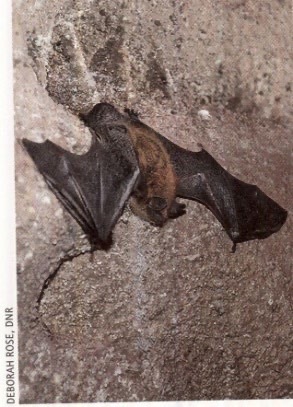
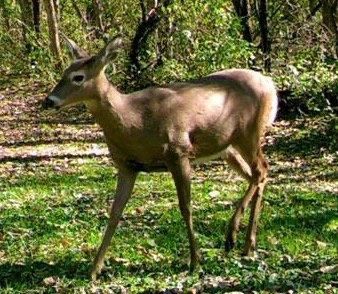
Mammals are looking ahead to winter and how to survive the cold months. Some hibernate, some become less active, and others will remain active through the year. Bats will hibernate in caves and other sheltered places. You may still see some flying in the evening hours in October. Raccoons are not true hibernators but they will become less active as the weather gets cold. Squirrels will remain active all winter long, and are still hard at work gathering nuts and seeds. Deer are active all winter, too, and during the fall months they eat about five pounds of food every day for every 100 pounds that they weigh. That’s a lot of twigs and buds from trees and shrubs!
Insects
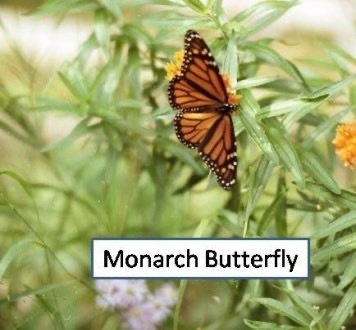
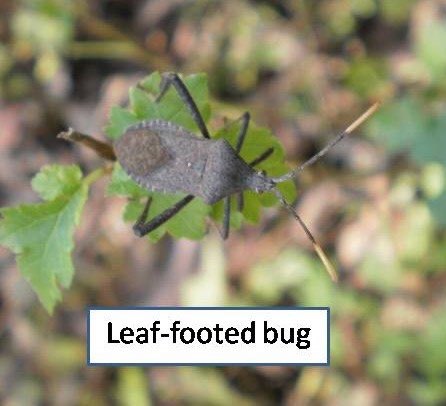
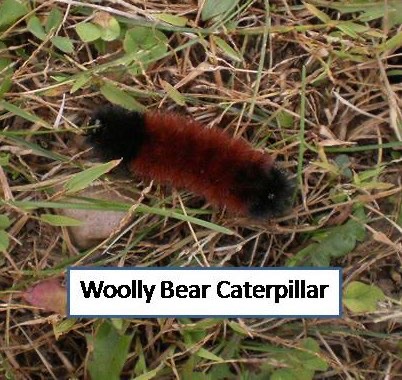
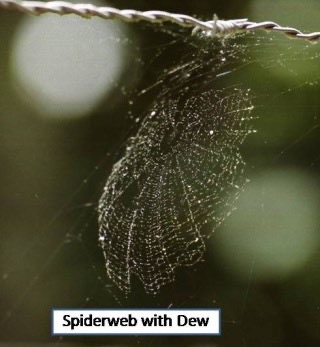
Be careful not to step on woolly bear caterpillars when you’re hiking at Afton. They are looking for a sheltered spot to curl up for the winter. Many insects overwinter as adults, including leaf-footed bugs, which gather in large numbers under leaves or tree bark. Many insects migrate, and you may see a few last Monarchs heading south to Mexico. And look for spiderwebs highlighted in dew on calm mornings after clear nights. When temperature drops below the dewpoint, moisture in the air condenses onto things like . . .spiderwebs!
Plants
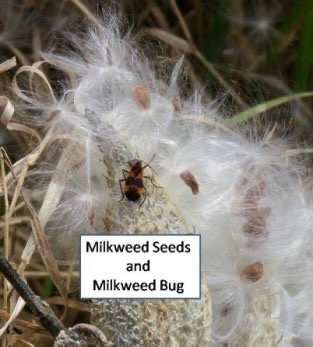
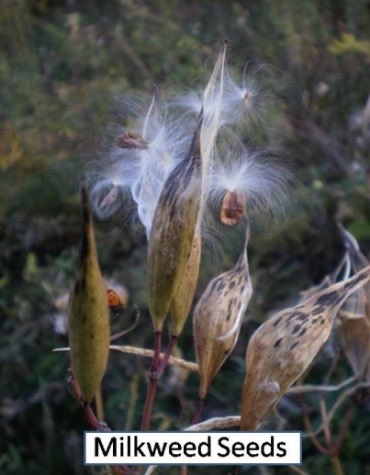
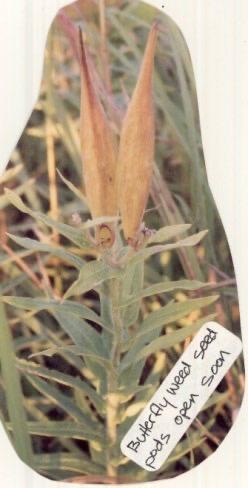
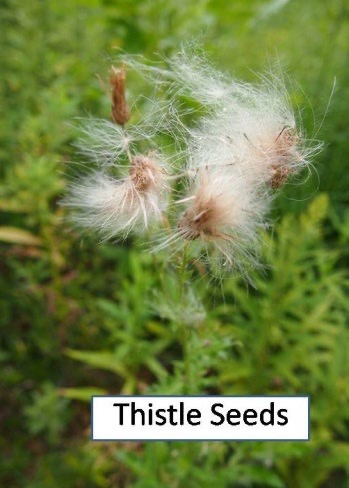
Milkweed, Thistle, and Butterflyweed seeds all drift away from their parent plants on autumn breezes. You may see Milkweed Bugs on Milkweeds that are shedding seeds.
Trees
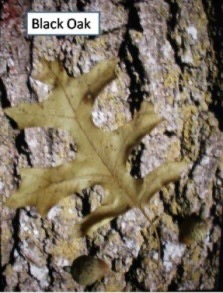
There are at least six species of oaks at Afton, and fall is a good time to look for them. This week, see if you can find a Black Oak. It is in the red oak group, and like all red oaks has points at the ends of the lobes of its leaves. The caps of its acorns cover about the top half of the nut. Black oaks like to grow on dry sandy slopes in the sunshine.
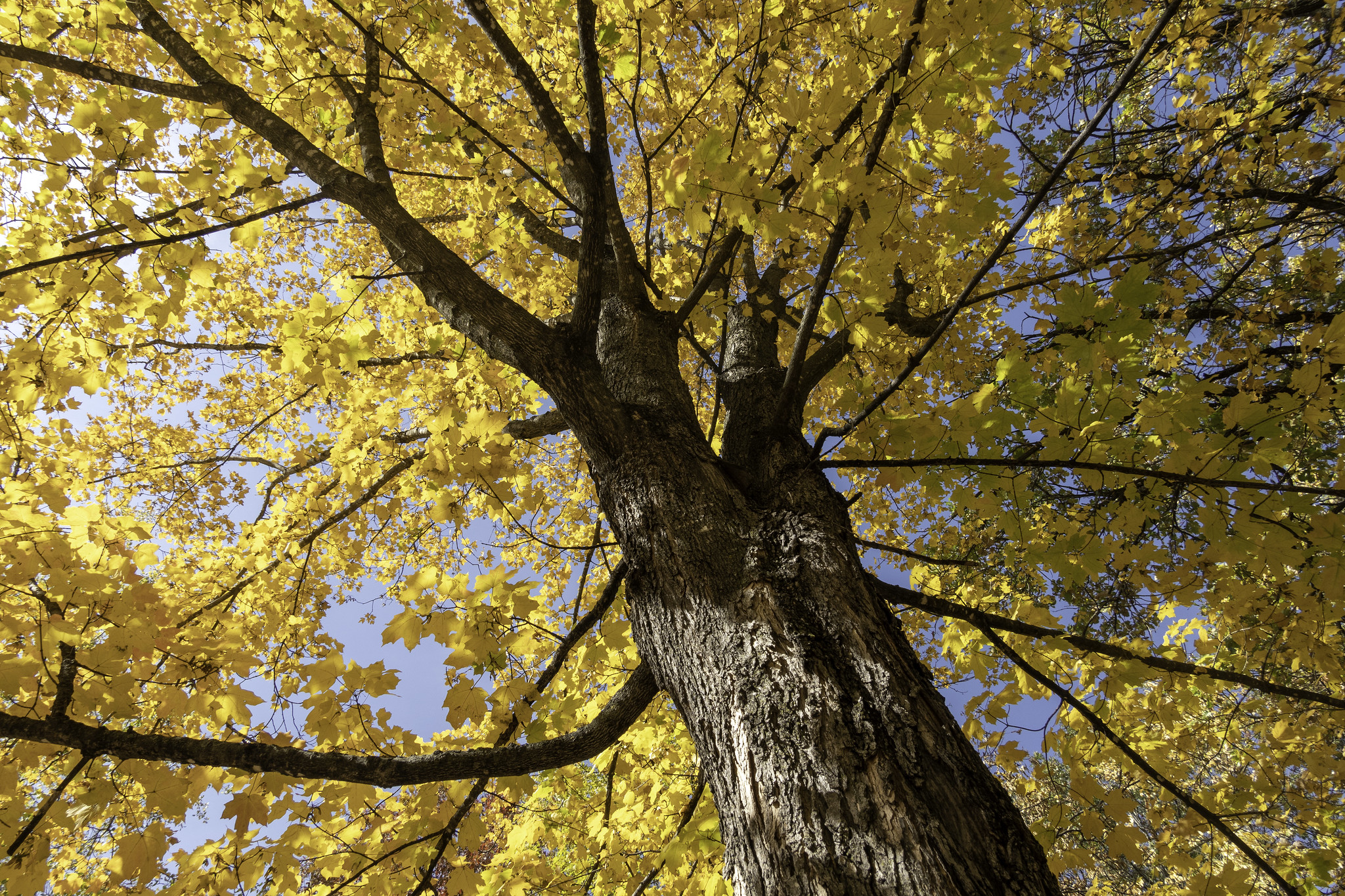
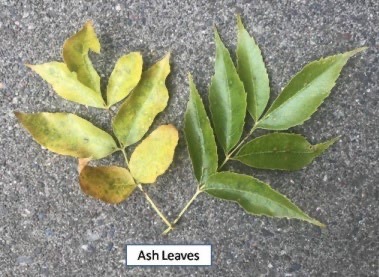
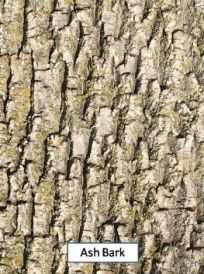
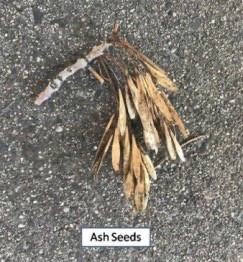
Another tree to look for is the ash. Although many ash trees have died after being infested with the emerald ash borer, you may find some in wet soils along streams like Trout Brook. The most common is the Green Ash. It has brown furrowed bark, and compound leaves made up of several leaflets that turn yellow in fall. Ash trees have winged seeds called “samara” that often hang in clusters on the tree well into the winter.
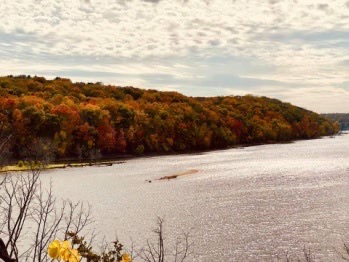
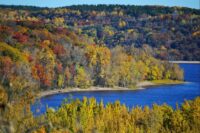
Enjoy the fall colors when you’re hiking – this week and next usually mark the peak!
Weather observations
Here are some weather observations for this week from past years.
Friday, October 2
2023: tied record high of 89°; 2017: Record 2.18” rainfall
Saturday, October 3
2023: 80s, rain in the evening; 2022: temperature in the low 70s; 2016: mid-50s in the morning
Sunday, October 4
2024: sunny and 60s; 2023: overcast and 60s; 2020: sunny and in the 50s ; Record rainfall of 4.61” in 2005
Monday, October 5
2024: sunny and 70s; 2023: sunny and breezy, 60s; 2020: sunny day near 70°; 2011: Record high of 88°; 2001: trace of snow ties the record for the day
Tuesday, October 6
2024: sunny and breezy; 60s; 2020: sunny and near 80°; 2007: Record high of 87°; 2005: trace of snow ties the record for the day
Wednesday, October 7
2024: sunny and 70s; 2023: drizzly and in the 50s; 2022: in the 40s in the morning; record high of 85° in 2011 and 2003; 2002: trace of snow ties the record for the day
Thursday, October 8
2024: sunny and 70s; 2010: record high of 87°
Image credits
All photos and images used by permission.
Copyright Nina Manzi, except:
Keith Henjum: Raccoon
Dean Lokken: American Egret, Spiderweb with Dew
Deborah Rose; Minnesota Conservation Volunteer: Bat
St. Croix 360 offers commenting to support productive discussion. We don’t allow name-calling, personal attacks, or misinformation. This discussion may be heavily moderated and we reserve the right to block nonconstructive comments. Please: Be kind, give others the benefit of the doubt, read the article closely, check your assumptions, and stay curious. Thank you!
“Opinion is really the lowest form of human knowledge. It requires no accountability, no understanding.” – Bill Bullard
Whoops! There was an error and we couldn't process your subscription. Please reload the page and try again.
By clicking subscribe, you agree to share your email address with St. Croix 360 and Mailchimp to receive emails from St. Croix 360. We will never share your information with anyone else.



Comment