Mammal Adaptation Adventure, July 10 drop by from 9-11 a.m. in the Visitor Center: Drop by this nature table to learn all about mammal adaptations and what they tell us about the animal. Explore skulls, pelts, and play a game to learn why these traits matter.
Skulls and Bones, July 11 from 9-10 a.m. in the Visitor Center: Ever found a bone and wondered what kind of animal it came from? Learn what skeletons and skulls tell us about how animals once survived in their natural environment. There will be real bones and skulls for you to touch and see!
All About Bluebirds, July 11 from 11 a.m. to 12 p.m. in the Visitor Center: Discover the story of the Eastern bluebird at Afton State Park, one of Minnesota’s most beloved comeback species. Beginning with a presentation on bluebird history, we will head outside for a guided hike through their natural habitat. Along the way, we will see active nest boxes and discuss how habitat restoration keeps these birds returning every year. Perfect for all ages. This program will include a non-strenuous hike near the visitor center. Bring sun protection and bug spray.
Fossil Fast Facts, July 11 drop by from 1-3 p.m. the Visitor Center: This fun nature table will explore Minnesota’s fossil world and teach you about some of the common fossils found here. Drop by and learn some fun fossil facts!
Astronomy
Look for Venus above the crescent Moon on Thursday the 16th.
Birds
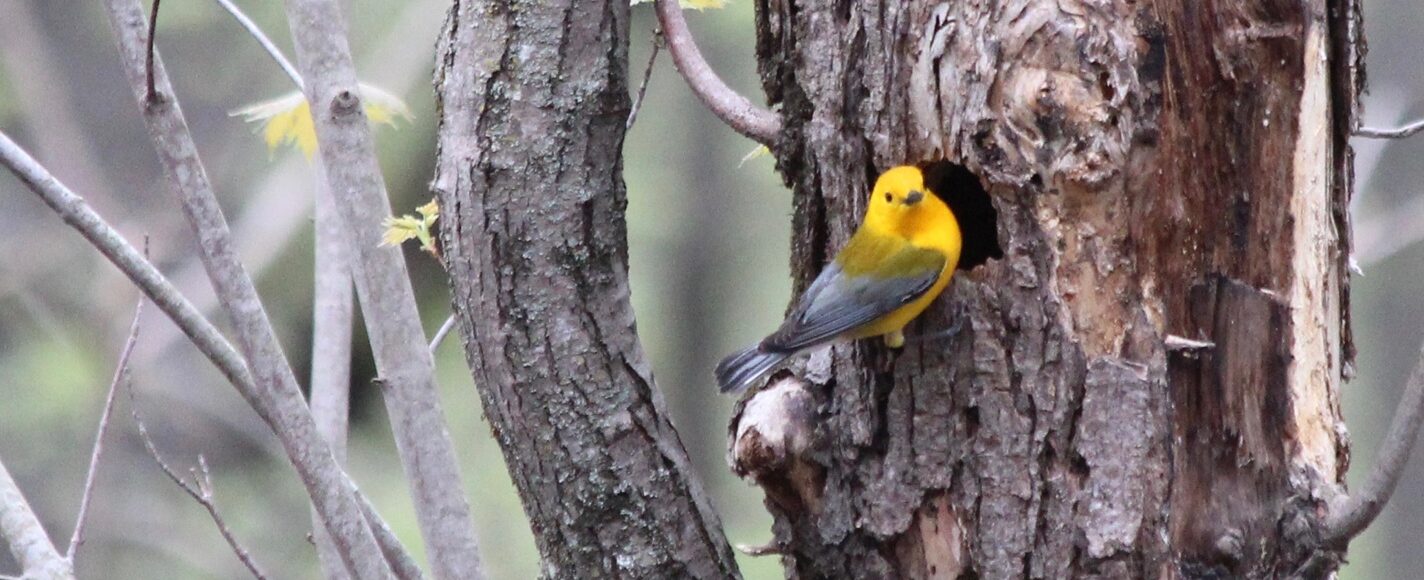
Look for turkey vultures soaring overhead. You can tell them apart from eagles and hawks because turkey vultures wobble from side to side as they glide, the feathers at the ends of their wings look ragged, and their wings are dark at the leading edge and lighter at the trailing edge. American goldfinches are one of the last birds to nest in our area. They use the fluff of field thistles in their nests, and also like to eat thistle seeds. Red-winged Blackbirds and Grackles are among the birds that are done nesting. They are forming flocks in anticipation of migration.
Insects
If you’re lucky you’ll see a Pale Beauty Moth or a White-Fringed Emerald. They’re fairly common, and their host trees include alder, birch, elm, maple, oak, white pine, and willow. Butterflies on the wing in mid-July include the Common Wood Nymph, which typically has two yellow- ringed eyespots on its forewings.
Look for soldier beetles climbing on leadplant flowers on the prairie. They eat nectar and pollen and also smaller insects, and got their name because the coloring of one species resembles the red coats that British soldiers wore in the 18th century.
Along the river look for great clouds of mayflies flying upstream to mate and lay eggs. They only live for about a day as adults, and don’t even have any mouths because they don’t live long enough to need to eat anything.
Many dragonfiles are active at Afton. Dragonflies are generally described as either “fliers” or “perchers”. Fliers spend most of their time on the wing and can be difficult to observe and photograph. Perchers find places to perch then make brief hunting flights to catch smaller insects. Fliers sometimes rest on a perch or on the ground, and when they do they hold their bodies vertically. Perchers are more likely to hold their bodies horizontally.
Meadowhawks and Clubtails are perchers. The White-Faced Meadowhawk takes its name from its white face. The Variegated Meadowhawk takes its name from the varied colors on its abdomen. Clubtail larvae require clean, fast-flowing rivers with lots of oxygen, and there are lots of clubtails on the St. Croix River, particularly north of Afton. The Snaketails are in the Clubtail family.
Mammals
An animal you might spot near or in the water is the muskrat. Muskrats are related to beavers but are smaller and have long skinny tails that help them steer when they’re in the water. Muskrats are mainly herbivorous, eating cattails and rushes, among other things.
Plants
Look for Butterflyweed, Yellow Coneflowers, Showy Tick Trefoil, Bee Balm (also called wild bergamot and monarda), Leadplant, and Rough Blazing Stars blooming on the prairie.
Berries, and Trees
You may still find ripe Wild Black Raspberries – a tasty treat for hikers! But don’t eat Red Baneberries – they’re poisonous! Also look for the big showy blossoms of Northern Catalpa trees.
Weather observations
Weather observations from past years.
Friday, July 10
2024: clouds, near 80°; 2023: Thunderstorm in the south late in the day with temperature falling from the 90s to the 60s overnight; 2021: Pleasant day in low 80s; 2019: Scattered showers, high near 80°; 2002: record rainfall of 1.93 inches
Saturday, July 11
2024: sunny and 80s; 2021: low 80s, pleasant
Sunday, July 12
2023: 60s to start the day with clouds, then clearing with a high in the 80s; 2022: thunderstorm in evening. High in 80s, cooling into 60s overnight; 2018: Humid and over 90°, with heavy rain in the evening
Monday, July 13
2024: thunderstorm in the morning, and another in early afternoon; 2023: thunderstorm in late evening; 2021: steamy and in the 80s; 2013: record rainfall of 2.79 inches
Tuesday, July 14
2024: steamy day in the 90s; 2010: 75° in the morning and steamy, but with a breeze
Wednesday, July 15
2023: poor air quality due to smoke from Canadian wildfires; 2019: hot and humid, with a thunderstorm bringing 1 ½ inches of rain in the evening.
Thursday, July 16
2023: gusty winds in the afternoon; 2022: thick air, high in 80s; 2019: 1/4 inch of rain
Photo/image credits:
All photos and images used by permission. Copyright Nina Manzi, except:
Dean Lokken: Turkey Vulture
Gary Sater: American Goldfinch, Red-winged Blackbird
Greg Seitz for St. Croix 360: Midland Clubtail Dragonfly, Pygmy Snaketail Dragonfly
St. Croix 360 offers commenting to support productive discussion. We don’t allow name-calling, personal attacks, or misinformation. This discussion may be heavily moderated and we reserve the right to block nonconstructive comments. Please: Be kind, give others the benefit of the doubt, read the article closely, check your assumptions, and stay curious. Thank you!
“Opinion is really the lowest form of human knowledge. It requires no accountability, no understanding.” – Bill Bullard
Whoops! There was an error and we couldn't process your subscription. Please reload the page and try again.
By clicking subscribe, you agree to share your email address with St. Croix 360 and Mailchimp to receive emails from St. Croix 360. We will never share your information with anyone else.


Comment