The National Park Service recently accepted public input on the final draft of the agency’s new Comprehensive River Management Plan. St. Croix 360 has been highlighting comments submitted by a variety of river users and stakeholders. It has been several weeks since the last installment, with apologies. This series closes with comments sent in by St. Croix 360’s readers. Thank you to Andrea, Rosie, John, and Jim!
Andrea McCready
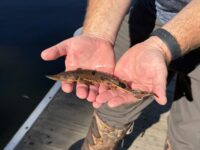
In light of the needless turtle deaths near Somerset in August 2024, the CRMP should cover in a clear way prevention of bycatch and other unintended harm to species in the river ecosystem. Some concepts mentioned in the CRMP include “continually proactive management” (pg 21), the need to “assess potential impacts of climate change on sensitive species,” (pg 36), and “monitor aquatic resources” (pg 36). While monitoring an aquatic species (such as catfish), the agency (such as WDNR) should proactively know that higher temperature waters during hoop netting would cause turtle deaths. It is not new information. The CRMP should cover the concept of doing no harm to other species when agencies perform their targeted tasks. In addition, the CRMP should be clear that corrective and preventive action mechanisms are to be in place so that any species harms or near-misses by agencies are captured and prevented from happening again.
Rosetta Peters
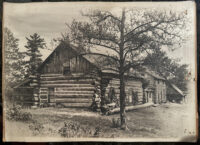
Han mitakuyepi (Hello my relatives) Winyan madakota. I am a Dakota woman. My ancestors were the Mounds Builders of Mni Sota Makoče. The St. Croix River, Wokižu wakpa — is a cemetery river-sacred to my ancestors, Dakota people today, and future generations. Specifically, from the confluence of the Snake all the way down to the confluence of the Mississippi, our cemeteries and sacred ceremonial spaces line both sides of Wokižu wakpa, the river where they plant. I believe, based on the high concentration of our cemeteries (Burial Mounds) that my ancestors planted themselves because Love grows here in abundance.
I would like to see the NPS work specifically with the Dakota bands in Mni Sota Makoče as well as the Dakota bands that are still living in exile from our homelands in Nebraska, lowa, the Dakotas, Wyoming, Montana, and Canada, to gather the true oral history of the St. Croix River Valley and its importance to our people as a river of rest for the Ancestors.
Just here in a few short miles where I live in and around Marine on St. Croix I have documented approximately 40 of our cemeteries (Burial Mounds/Effegies) still intact and that does not touch the Wisconsin side of the river.
Furthermore, I would like to see the NPS partner with Dakota people and local residents in restoring our lands and Sacred Sites back to us and our care by helping Dakota people “buy back” our lands so our Sacred Sites can be preserved and cared for forever and open to the return of our prayers and ceremonies.
This will ensure the long term health, well being, and protection of our beloved lands and waters for the enjoyment of future generations.
John Kraemer
While NPS has appropriately invited comment on three important aspects of the evaluation process this framework is incomplete without addressing the overriding and legally significant consideration of the site’s confirmed, continuous Native American habitation spanning approximately 12,000 years.
The Fairy Falls site is not solely a natural landscape or recreational setting. Archaeological finding confirms occupation by the Paleo, Archaic, and Woodland cultures over millennia. This establishes the site not merely as environmentally sensitive terrain, but as a location of profound cultural, historical, and ancestral significance. Under the Federal Antiquities Act of 1906, as well as related federal cultural resource protections, such longstanding and documented habitation requires primary consideration in any development planning process.
The evaluation structure presented by the NPS appears to treat cultural heritage as secondary or implicit within environmental considerations, rather than as an independent and controlling factor. This approach risks minimizing the unique legal and ethical obligations owed to indigenous history, cultural continuity, and descendant communities.
Protection of natural resources, visitor safety, and visitor experience are important objectives. However, they cannot supersede or marginalize the fundamental reality that Fairy Falls is a confirmed indigenous habitation site of extraordinary antiquity.
Development planning must therefore be guided first by cultural preservation principles, Tribal consultation requirements, and statutory protections governing archaeological and sacred sites.
- Before finalizing any development plan, the NPS must explicitly:
- Recognize the site’s 12,000-year continuous habitation as a primary planning determinant;
- Ensure full compliance with the Federal Antiquities Act of 1906 and other applicable cultural resource laws;
- Conduct meaningful and documented consultation with affiliated Tribal Nations;
- Evaluate whether development is appropriate at all in light of the site’s cultural and archeological significance.
Failing to elevate this foundational consideration risks undermining both federal preservation law and the federal trust responsibility to Native Nations.
It should be noted that it now has been 45 years since the NPS acquired by eminent domain the Fairy Falls property from the Geidel and Holquist families, who had owned the property for the previous 80 years. It was those families who took the initiative to understand, affirm, and diligently oversee and manage the extraordinarily unique habitation site. That included the ecological rarities, fossil bed outcroppings, and geological anomalies that further add to the uniqueness of the site.
Jim Manning
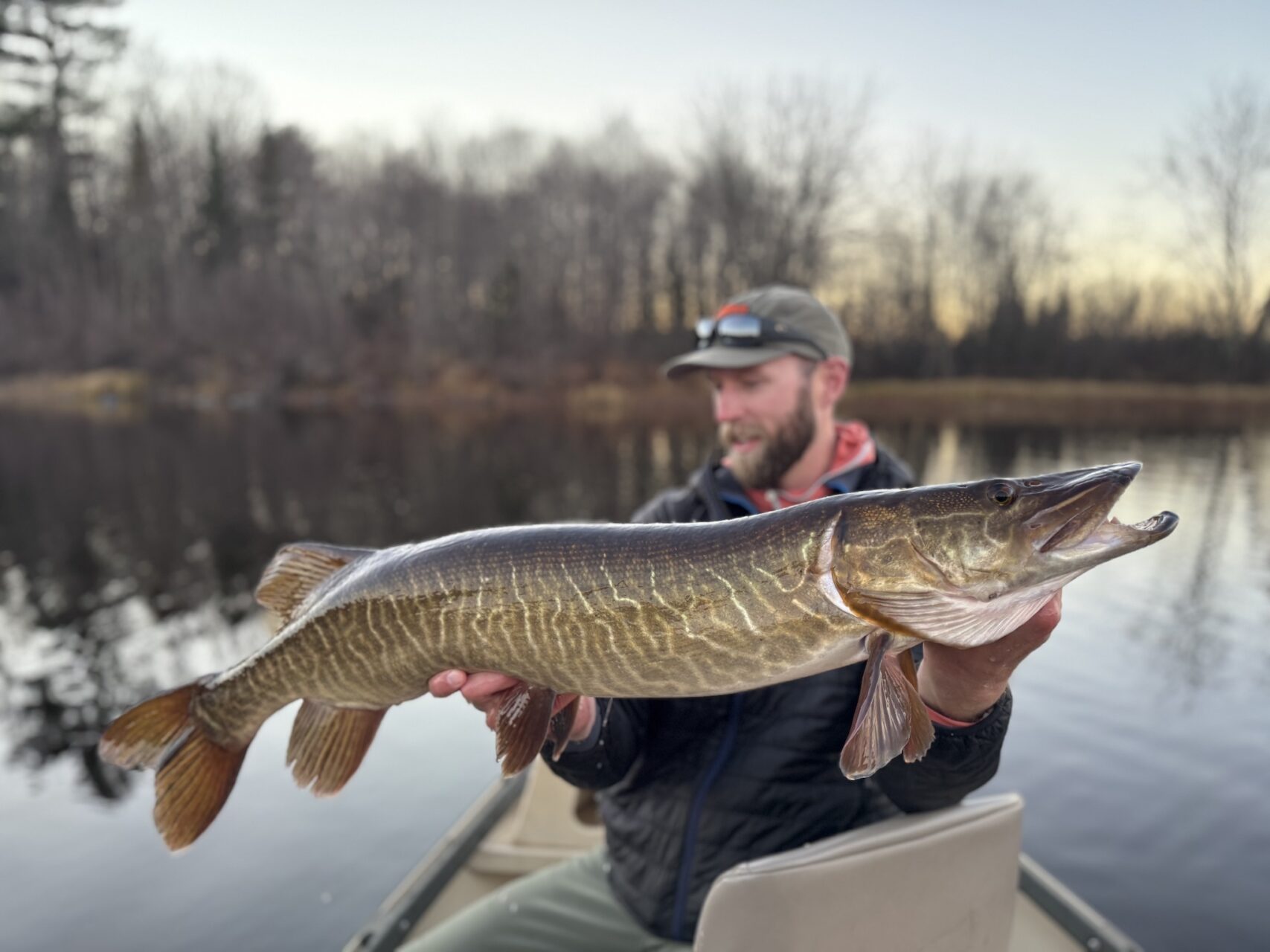
I am an avid fly fisherman and have been enjoying and appreciating our beautiful St Croix for over 30 years. While most all things change in 30 years the mighty St. Croix has held up quite well. Unfortunately the influx of many people using this river in recent years have disregard and lack of caring for the St. Croix ecosystem. I see trash strewn in and along our river, boat launches and landings damaged, camp site loitering, fishermen using multiple large treble hooks that damage or kill fish, boats with motors damaging river bottoms and habitat, going on river sections too small and shallow for outboard motor boats. It’s time that the use of lead products be restricted on the river. This has become popular in many fishing and hunting water environments. It’s time to step up and protect our fish and wildlife from lead poisoning. St. Croix is special, let’s take the necessary steps needed to keep it this way. Time to develop an action plan and implement it. Thank you to all who work hard and are in positions to improve the St Croix ecosystem.
Previously:
The River Town
Marine on St. Croix’s feedback calls out several issues of concern and requests National Park Service action.
River Management comments: The stewards
St. Croix National Scenic Riverway’s partners at Wild Rivers Conservancy highlight priorities for park plans.
River Management comments: The fishing guide
Hayward Fly Fishing Co.’s owner urges National Park Service to take stronger actions on several issues.