A proposal to lower Lake Mallalieu in Hudson this winter to remove sediment from the body of water at the mouth of the Willow River is currently being discussed at several levels of government. Proposal opponents say it would merely send the problem downstream, as the sediment would be released into the St. Croix River, which is already struggling with excess nutrients.
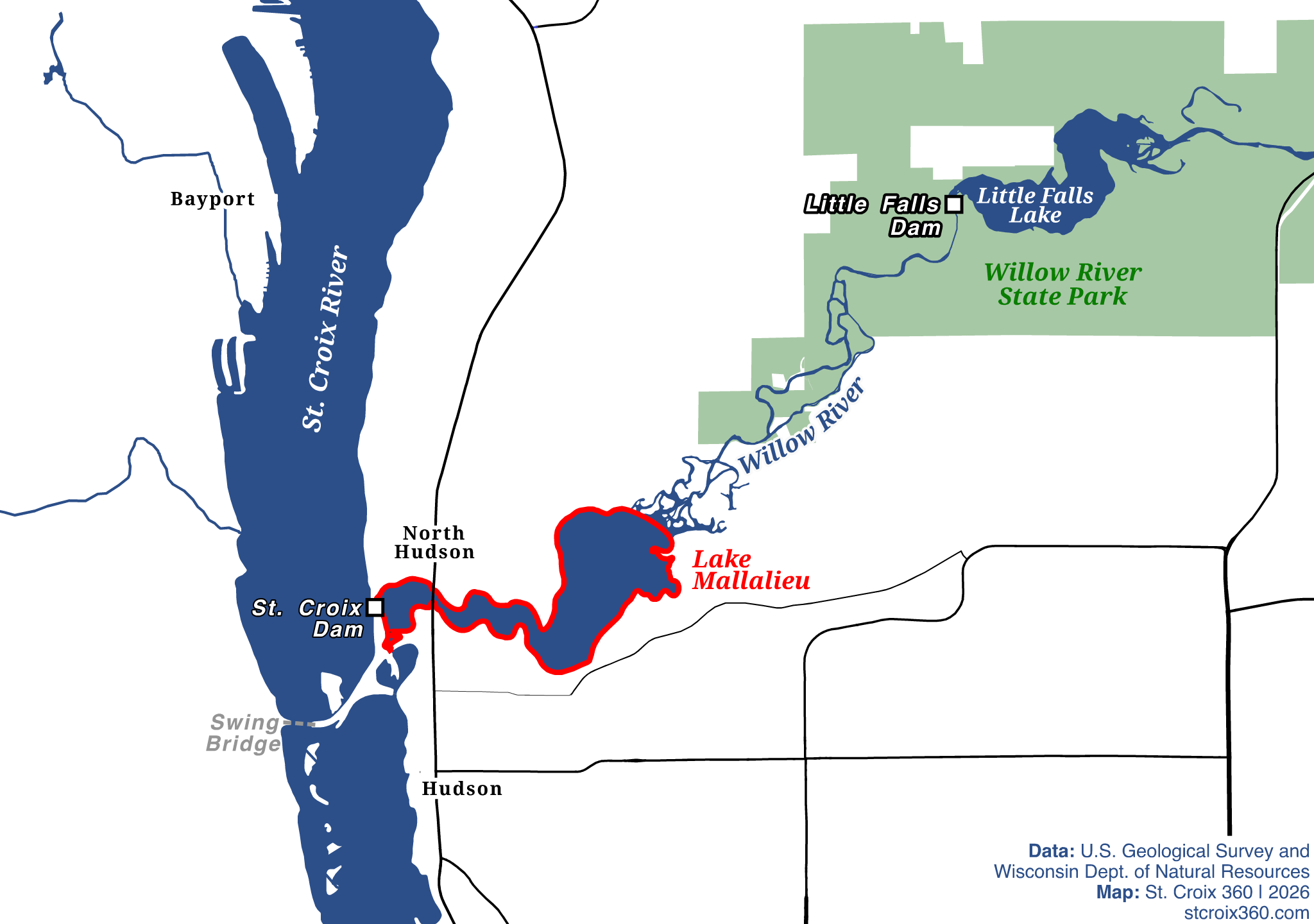
Mallalieu is an artificial lake formed by water held back by a dam at its confluence with the St. Croix River. The Lake Mallalieu Association says that sediment carried from upstream has made large areas of the lake shallow, mucky, unusable for recreation, and poor habitat for fish and other wildlife. They propose drawing down the lake by 7.5 feet beginning in September and continuing until next spring.
”There are large parts of this lake that are now unnavigable,” said Jeff Lavers, president of the Lake Mallalieu Association, at a May 14 county meeting.
After a previous proposal to dredge the lake was found to be unworkable, the latest idea is to draw down the impoundment and allow the Willow River to flow through the lakebed and carry away some of the sediment. A similar proposal last year failed when the City of Hudson, which is a part owner of the Mallalieu dam and therefore has to approve the application, withdrew support from the project.
The dam at the outlet of the lake is owned by four different municipalities: St. Croix County, the City of Hudson, Town of Hudson, and North Hudson. Each of the government bodies must support the drawdown for it to be considered by the Department of Natural Resources. In the past couple months, the proposal has been discussed by each body, and support has been tentative. In July, two of the governments will consider if they should stay involved in the project.
Runoff reductions
Project opponents say the drawdown should not happen, but instead efforts should continue to reduce erosion and runoff into the Willow River.
”Our local governments should work together throughout the Willow River’s 182,000-acre watershed to reduce runoff of sediments carrying phosphorous, nitrogen, and other pollutants into the 70-mile long Willow River, instead of allowing a drawdown of the Lake Mallalieu impoundment that will not improve Lake Mallalieu’s water quality but will harm the St. Croix River’s water quality,” says Celeste Koeberl, a Lake Mallalieu resident who has advocated against the idea.
Wild Rivers Conservancy of the St. Croix and Namekagon also opposes the plan. The organization says the drawdown would contaminate the St. Croix and effectively wipe out years of work to reduce pollution in the river.
The group estimates the drawdown would release between 21,000 and nearly 48,000 pounds of phosphorus into the St. Croix. They point to calculations that one pound of phosphorus can fuel the growth of 300 to 500 pounds of algae.
“This project would undermine years of investment and progress made right here in St. Croix County,” executive director Matt Poppleton said.
Since 2012, Lake St. Croix, the 25-mile stretch from Stillwater to Prescott, has been under a plan developed by the states of Minnesota and Wisconsin and other partners, and approved by the U.S. Environmental Protection Agency, to reduce nutrients in the water. Excess phosphorus flows in from cropland and cities, fueling the algae blooms.
Poppleton said the county and its partners have invested over $4.4 million in conservation practices to reduce phosphorus runoff by 11,800 pounds every year, and that the phosphorus released in the drawdown could erase $1.4 million to $3.3 million worth of conservation work.
Wildlife impacts
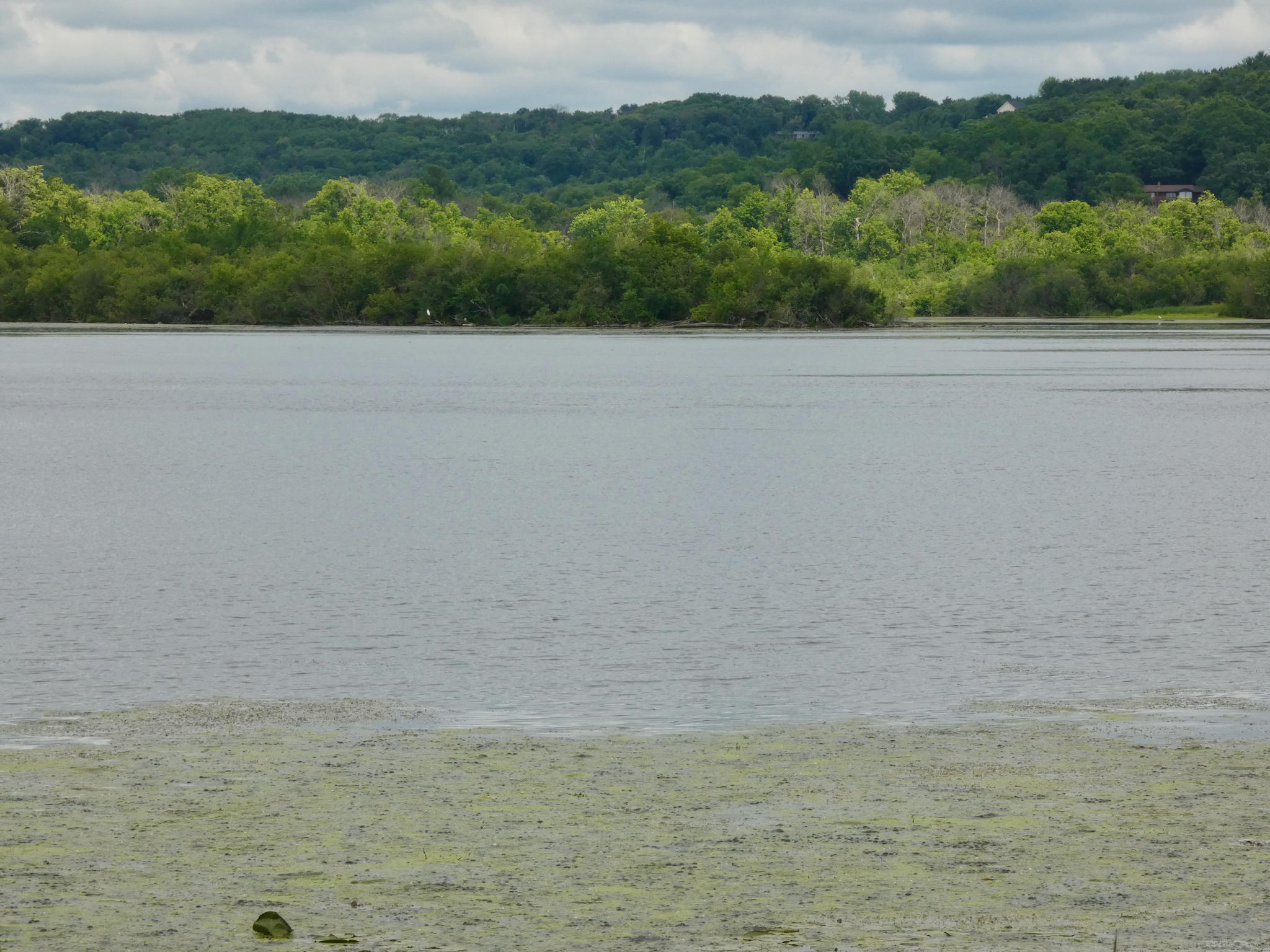
The St. Croix River at the mouth of the Willow River with the lower part of Lake Mallalieu in the background. (Greg Seitz/St. Croix 360)
The proposed 7.5-foot, 8-month drawdown is considered a significant drop and will have major impacts on Mallalieu and the St. Croix. When the application was considered last year, DNR experts on several topics offered their professional opinions on how it could affect the lake and the St. Croix River.
Lisie Kitchel, a biologist with the Wisconsin DNR, wrote that the Swing Bridge railroad trestle spanning the St. Croix just below the mouth of Lake Mallalieu is home to both Higgins eye and Spectaclecase mussels, both of which are on the list of endangered species. In 2024, she wrote that there are several kinds of mussels protected by the Endangered Species Act that live in the area and sediment release could harm them either by burying them or from harmful substances in the material.
The following year, Kitchel reported she had talked to colleagues in Minnesota about the issue and was no longer concerned. In consultation with colleagues, they decided attempting to move mussels before the drawdown would do more harm than leaving them in place. “I am now comfortable that the potential for significant impacts from the [sediment] would not negatively impact the mussels downstream,” she wrote.
On the other hand, a DNR fish expert said the drawdown would wipe out any fish living in Lake Mallalieu.
”With the current proposal very little water will be left in the flowage with a small 4.5-foot pool of water that will be near the existing structure,” wrote Heath Benike, Fisheries Area Supervisor based in Eau Claire. “In the wintertime ice will form and the actual water depth of that pool would be in the 2.5 foot range. This is not sufficient for survival of fish. The fish will either get discharged to the St. Croix River or likely stay in the pool and die during the winter.”
Lake association president Lavers said at the May 14 committee meeting that the sedimentation of the lake has already damaged the fishery. “Our bass population is down significantly and our carp population is up dramatically,” Lavers said.
The DNR’s Benike also raised concerns about the precedent such a drawdown could set.
“I don’t want to be in a situation where we are allowing large down downs to the determent to the fishery, aquatic life and recreational use opportunities as a common management practice,” he wrote. “This could catch on and other flowages in the area might be advocating for similar management options since we have permitted this elsewhere.”
Benike and others said the proposed 7.5-foot drawdown seemed extreme, and suggested a less drastic option. “I think advocating for something in the 5 foot rage seems reasonable and appropriate,” he wrote.
Muck management
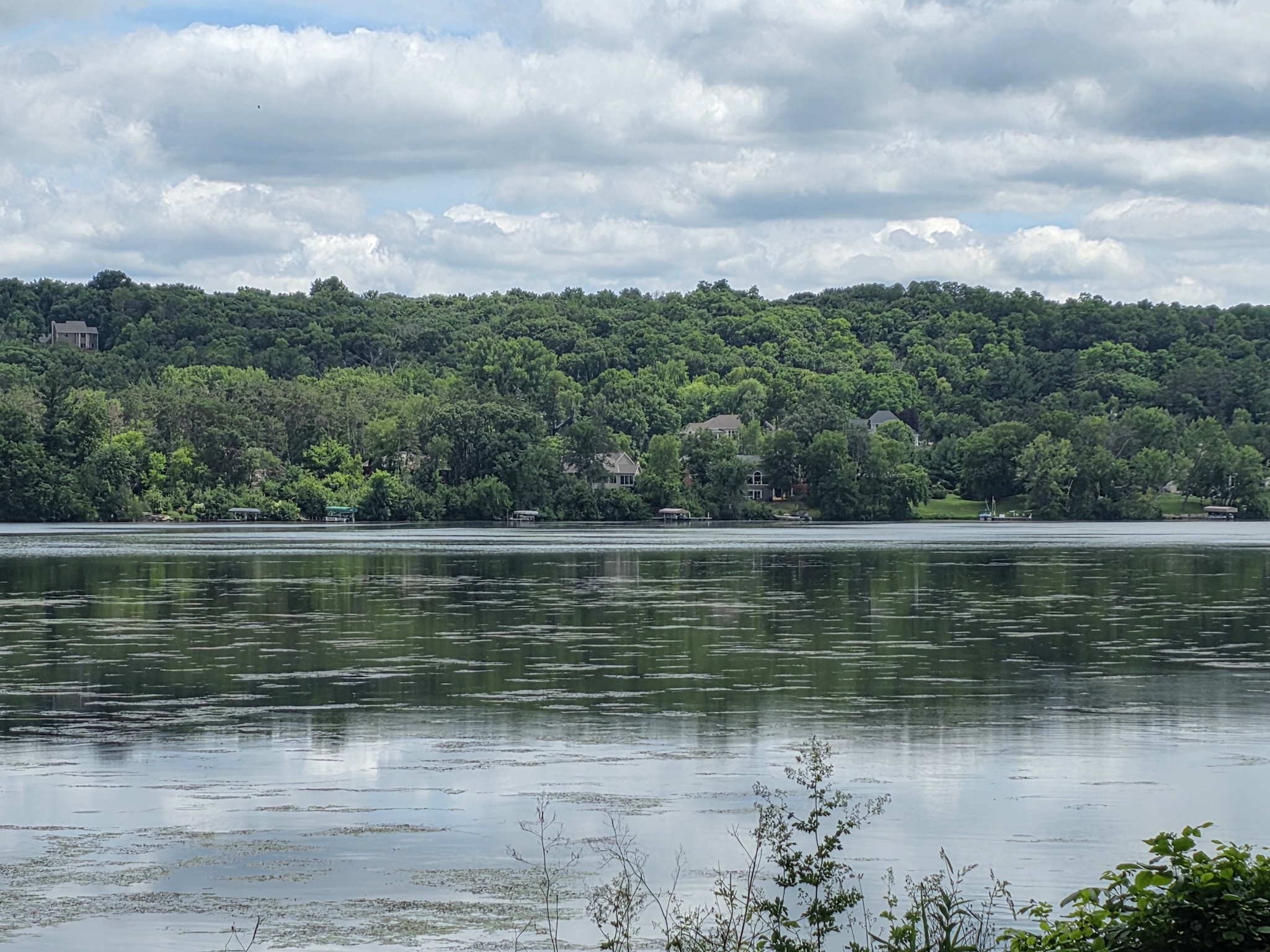
Lake Mallalieu (Greg Seitz/St. Croix 360)
The DNR’s Benike also wrote that a related issue to the fish kill is that the small pool of water left in Mallalieu during the drawdown won’t be enough to capture sand that is moving through, raising the risk of that material flowing into the St. Croix.
How much sediment might be released, how much phosphorous it could contain, and how that would affect Lake St. Croix remain persistent questions and concerns.
“The proposal only shifts the water quality impacts by transferring the accumulated sediment and phosphorus downstream to Lake St Croix,” county land and water department staff wrote in a memo to the Community Development Committee last month. “The wide range of predicted sediment and phosphorus release from modeling results indicates that the drawdown process is somewhat unpredictable. The process is driven by weather events that occur during the drawdown period.”
The staff proposed that the drawdown should include monitoring and triggers for ending the drawdown if sediment is having a significant impact on the St. Croix River.
“Any approved drawdown should include enforceable operational thresholds tied to turbidity, total suspended solids, phosphorus concentrations, dissolved oxygen, and downstream monitoring results, with authority to pause or terminate the drawdown if impacts exceed predicted conditions,” staff wrote.
Political maneuvering
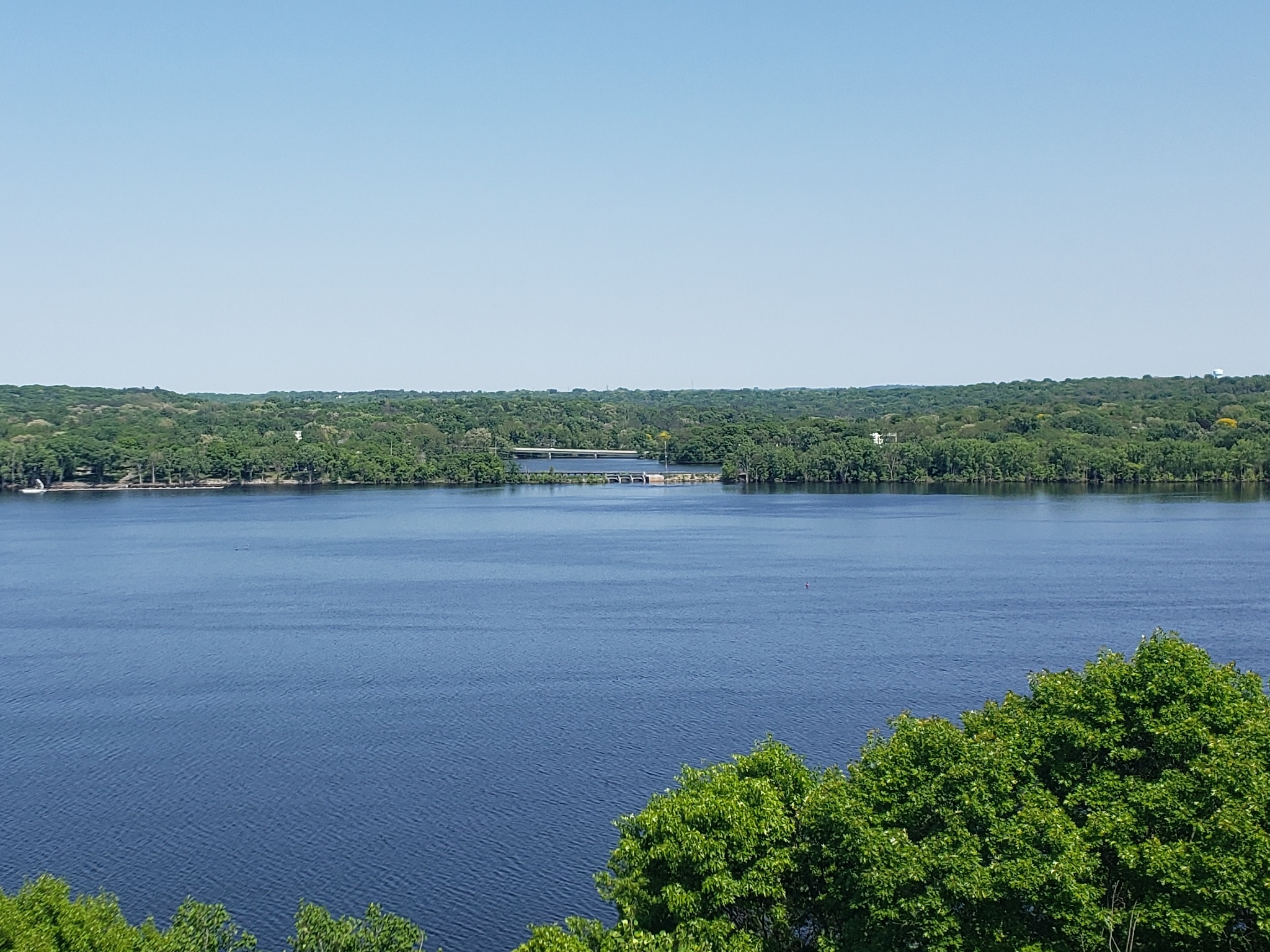
Dam at the Lake Mallalieu outlet. (Greg Seitz/St. Croix 360)
After the St. Croix County board initially offered its tentative support for the project, a key committee has now passed a resolution calling on the board to reverse that support.
At the June 18 meeting of the county’s Community Development Committee, numerous individuals spoke against the drawdown. Wild Rivers Conservancy’s natural resources manager Marc White disputed the lake association’s findings that phosphorus discharges would be relatively low. Instead, he said the drawdown would represent an unprecedented release.
“The Lake Mallalieu drawdown authorization is a permission slip for what will be the largest point source discharge of a regulated pollutant into the St. Croix river in documented history,” White said.
After discussion among the committee members, the committee voted unanimously to pass the resolution calling for the full county board to rescind its support for the drawdown.
The St. Croix County Board will consider the resolution and whether the county should rescind its support for the drawdown at its next scheduled meeting on July 7. The City of Hudson will hold a public hearing on the proposal on July 20. A public forum about the proposal organized by the Lake Mallalieu Association for July 6 has been cancelled, with the DNR planning to host a replacement event at an undetermined future date.
If all four units of government with a stake in the dam approve the application, it will be sent to the DNR, which will initiate a public comment period before making a decision.
Whoops! There was an error and we couldn't process your subscription. Please reload the page and try again.
By clicking subscribe, you agree to share your email address with St. Croix 360 and Mailchimp to receive emails from St. Croix 360. We will never share your information with anyone else.