Nature Story Time on October 15 from 1-1:30 at the Afton State Park Visitor Center: Join a naturalist where we will read a story and learn about the natural world. The book for this program will be “The Prairie That Nature Built”; by Marybeth Lorbiecki. We will explore the prairie ecosystem and investigate the animals and plants that call it home. This program is most suitable for children 10 and under.
Catch a Leaf on October 16 from 10-11 a.m. at the Afton State Park Middle Picnic Area, down the hill from trail post L: According to old English folklore, for every tree leaf you catch as it falls, you will have one month of good fortune in the coming year. Get to know the trees of Afton State Park while having fun with family and friends catching leaves! See if you can catch twelve different kinds of leaves for luck for next year.
Fossil Fast Facts on October 16 from 1-3 p.m. at the Afton State Park Visitor Center: This fun nature table will explore Minnesota’s fossil world and teach you about some of the common fossils found here. Drop by and learn some fun fossil facts!
Track Tales on October 17 from 2-4 p.m. at Afton State Park Visitor Center: Ever wonder what animal made those tracks? Stop by the Naturalist Table in the Visitor Center between 2 and 4 p.m. to learn how to identify animals and what they were doing based on their tracks.
Creatures of the Night on October 17 from 7-8 p.m. at the Afton State Park Visitor Center: Join us for a program about the animals that come out at night at Afton State Park! We will start inside and have a presentation about the animals that are active at night in the park, then go outside for a brief stroll near the visitor center to hopefully see some of the creatures that call Afton home. Bring a flashlight or something to light your way.
Astronomy
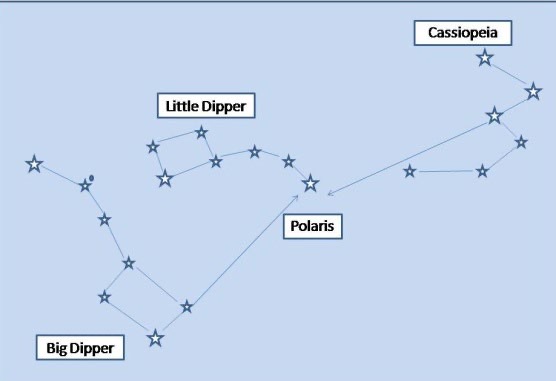
At this time of year when the Big Dipper is low in the sky, you can use the constellation Cassiopeia to find the North Star. Cassiopeia looks sort of like the letter “W”.
Birds
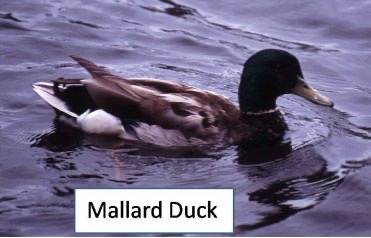
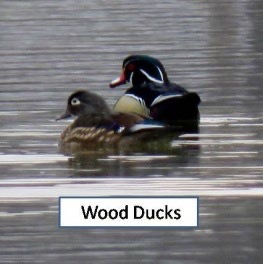
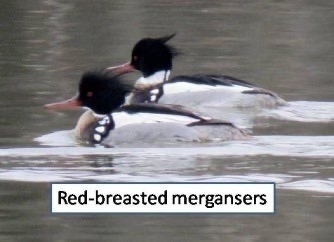
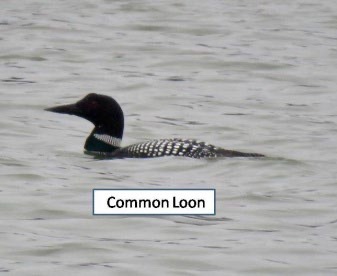
Many kinds of waterfowl follow the St. Croix River on their way south. Look for Mallard and Wood Ducks, Red-breasted, Common, and Hooded Mergansers, Canada Geese, and even Loons!
Mammals
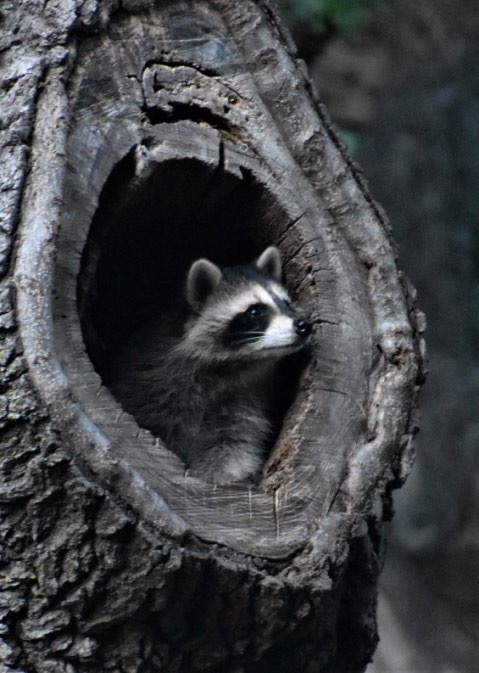
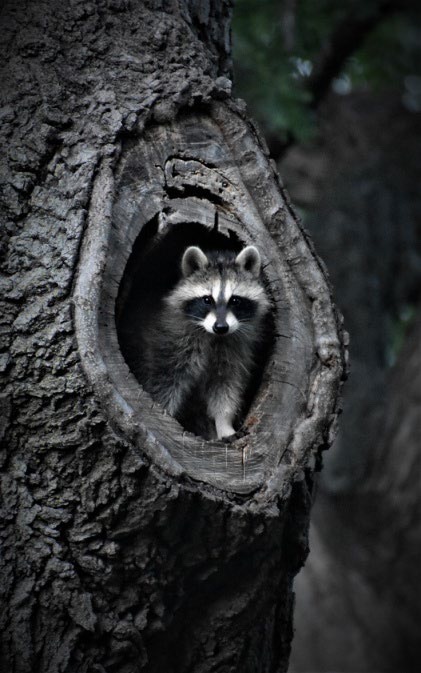
Raccoons prepare for winter in several ways. During the summer and fall they eat a lot to build up body fat which will help them survive when food is scarce. They also grow a thicker coat of fur to help them keep warm. And they find a sheltered place to sleep such as a hollow tree or an underground den abandoned by some other animal. They sometimes share dens with other raccoons so they can share body heat. Raccoons are not true hibernators but when it gets really cold they enter a state called “torpor” in which they have a lower body temperature and slower heart rate, both of which help them conserve energy. It takes raccoons an hour or so to come out of torpor, often by violently shaking and contracting muscles to warm up and wake up. They may remain in a state of torpor for just one night, several days, or weeks, depending on the weather conditions and temperature. But even if they only go into torpor for one night, the energy they save is more than the extra energy it takes them to wake up.
Insects
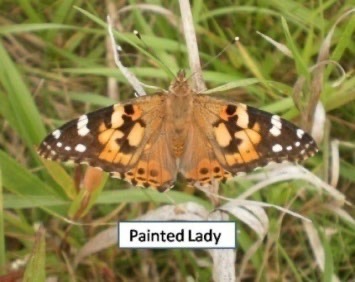
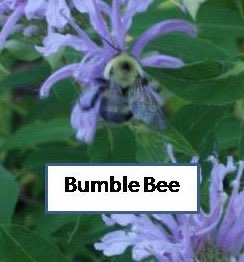
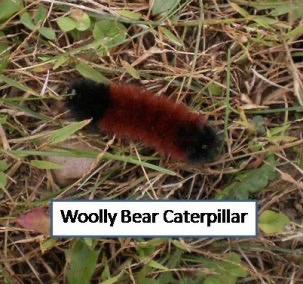
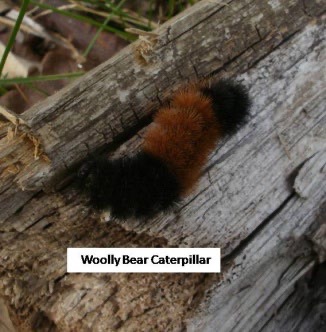
Bees will remain active on sunny days through fall, coming out of their nests or hives to visit whatever plants remain in bloom. And you might see a few Painted Ladies on the wing – I’ve seen one as late as October 25th! Finally, be careful not to step on Woolly Bear Caterpillars when you’re out hiking. The woolly bears are looking for sheltered places to curl up for the winter; next spring they’ll metamorphose into Isabella Tiger Moths. Folklore has it that the wider the rusty-orange band on the middle of the woolly bear, the milder the winter. Longer black segments on the ends of the caterpillar are said to forecast a more severe winter. Fact or fiction? Note the relative widths of the bands on any woolly bears you see this fall, and then watch to see what kind of winter we have.
Plants
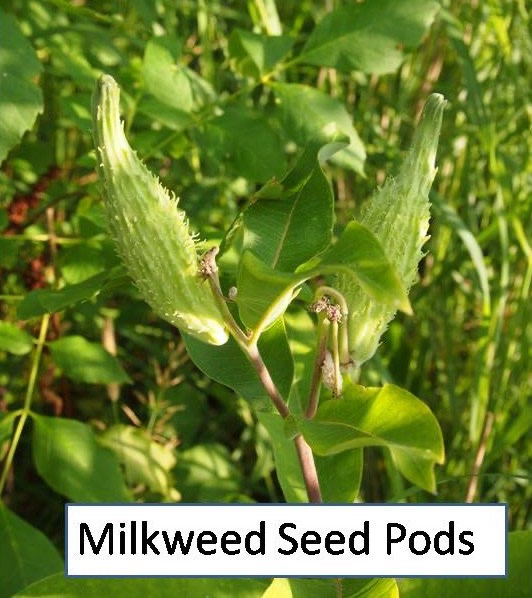
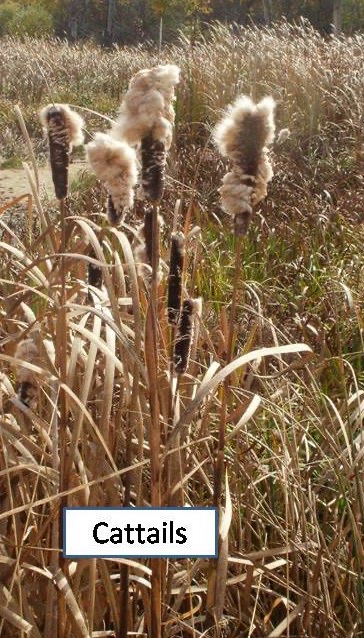
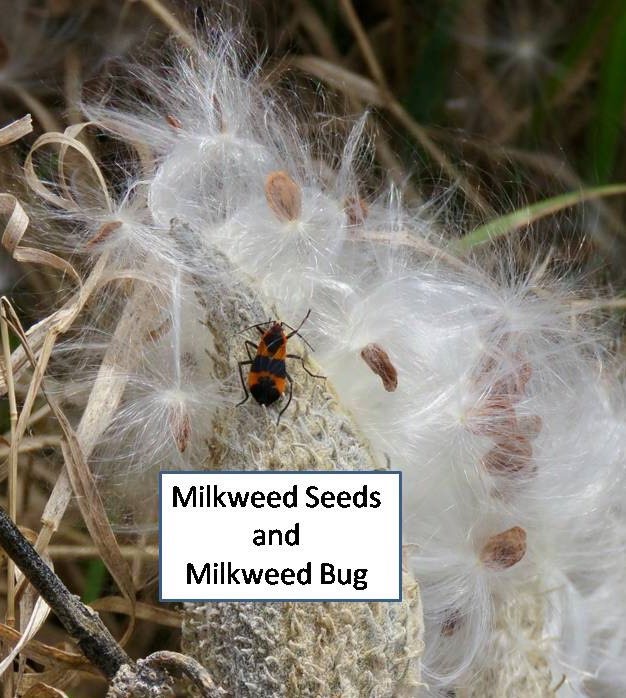
Cattails have gotten fluffy; within the fluff are the plant’s slender, dark brown seeds. And milkweed seed pods are losing their green summer color and turning brown. They have started to open and release hundreds of milkweed seeds, each with its own fluffy little parachute. You might even see a Milkweed Bug on the seeds!
Trees
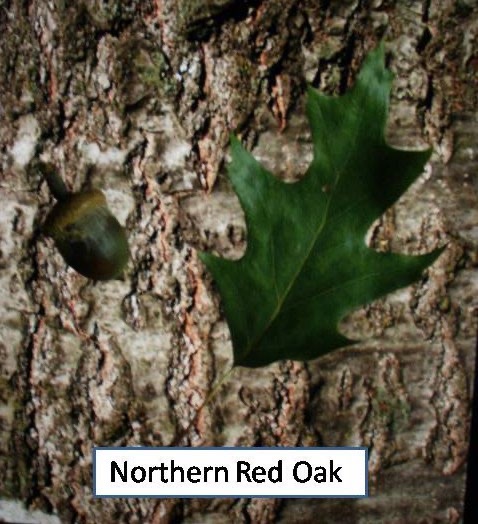
This week’s featured oak is the Northern Red Oak. Like all Red Oaks, it has pointed lobes on its leaves. The Northern Red Oak is easy to distinguish from the Black Oak and the Pin Oak because the spaces between the lobes, or “sinuses”, are shallow, only extending about halfway to the mid-rib. The acorns take two years to mature, and the caps cover only the upper quarter of the nut. Northern Red Oaks like moist soils and can live for 100 to 150 years. Northern Red Oaks grow up to 70 feet in height.
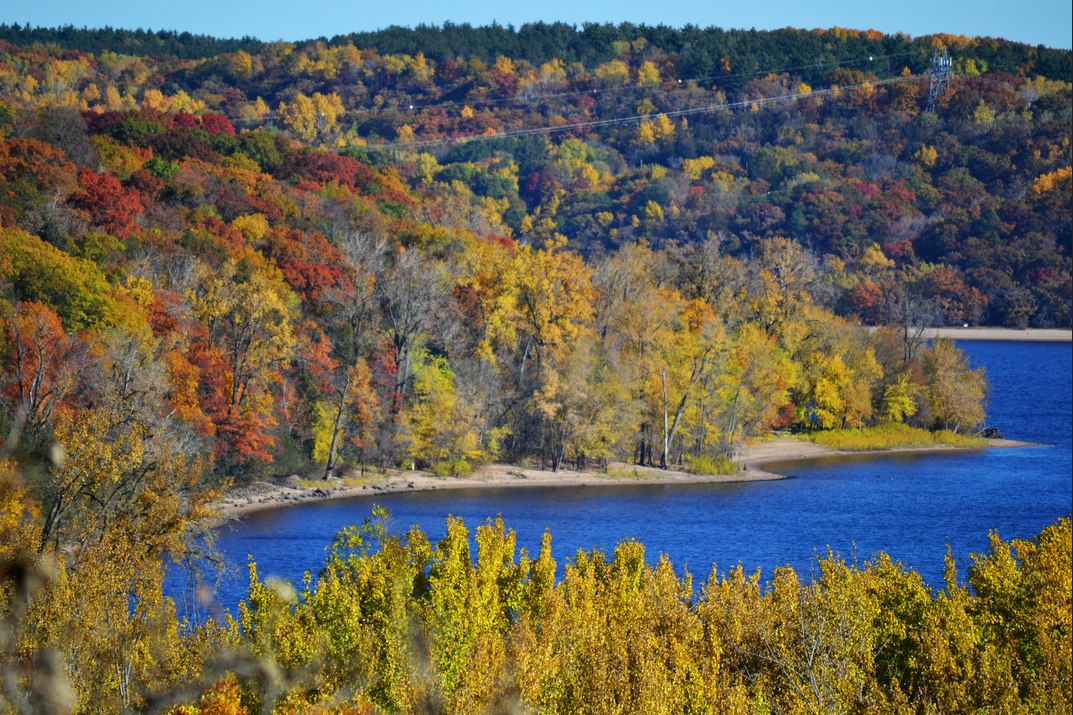
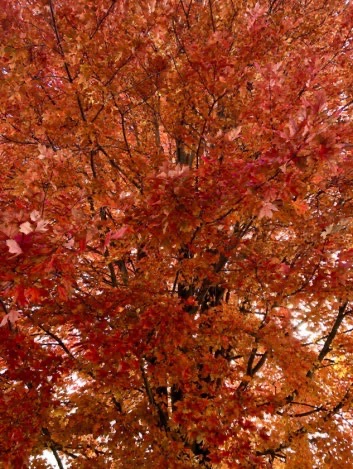
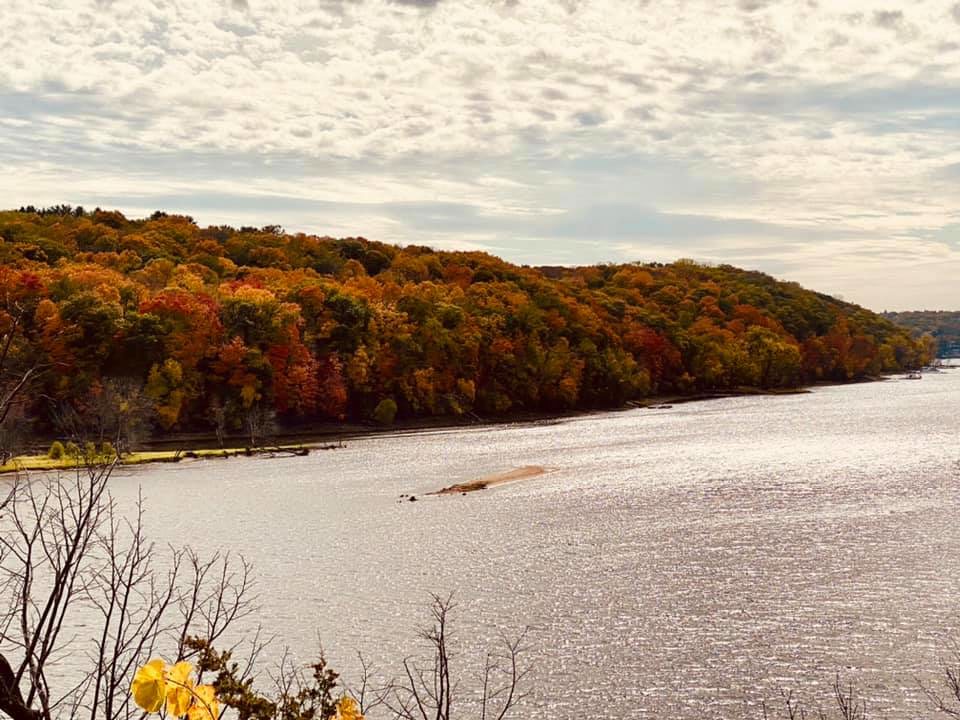
And with this year’s mild fall you can still see some brilliant red maples. The red color is revealed when the chloroplasts that make the leaves green in summer die off.
Weather observations
Here are some weather observations for this week from past years.
Friday, October 16
2024: sunny and pleasant, 60s; 2020: snow flurries in the morning, with a high in the 40s; 2014: sunny with a high of 72°
Saturday, October 17
2024: gusty winds and in the 70s; 2004 and 2002: trace of snow
Sunday, October 18
2025: sunny and in 60s; 2024: sunny and continued unseasonably warm in the 70s; 2021: temperature in the 70s; 2011: temperature in the 40s through the day
Monday, October 19
2000: record high of 84°
Tuesday, October 20
2024: high of 81°, two degrees shy of the record; 2021: Rain and thunder through afternoon; 2020: record snowfall of 7.9 inches
Wednesday, October 21
2024: sunny and 70s, no frost as yet; 2002: Record 0.4” snow
Thursday, October 22
2024: sunny, near 80°, with clouds late; 2013: frosty, with temperature in the 20s in the morning
Photo credits:
All photos and images used by permission. Copyright Nina Manzi, except:
Keith Henjum: Raccoons
Dean Lokken: Mallard Duck
Gary Sater: Common Loon, Red-breasted Mergansers, Wood Ducks
St. Croix 360 offers commenting to support productive discussion. We don’t allow name-calling, personal attacks, or misinformation. This discussion may be heavily moderated and we reserve the right to block nonconstructive comments. Please: Be kind, give others the benefit of the doubt, read the article closely, check your assumptions, and stay curious. Thank you!
“Opinion is really the lowest form of human knowledge. It requires no accountability, no understanding.” – Bill Bullard
Whoops! There was an error and we couldn't process your subscription. Please reload the page and try again.
By clicking subscribe, you agree to share your email address with St. Croix 360 and Mailchimp to receive emails from St. Croix 360. We will never share your information with anyone else.


Comment